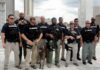
Even elite SEAL Team 6 operators, symbols of American military prowess, faced shocking vulnerability when ambushed while asleep, exposing raw dangers of endless foreign wars that drained treasure and lives without clear victory.
Story Highlights
- Clint Emerson recounts SEAL team ambushed in Iraq circa 2003, catching them off-guard sleeping under Humvees amid explosion and gunfire.
- Friendly fire from young Marines riddled vehicles with .50 cal rounds, while three Iraqi Fedayeen created a tense standoff resolved only through communication.
- These stories, shared via podcasts, highlight chaos of asymmetric warfare, blue-on-blue risks, and lessons in vigilance that shaped elite tactics.
- Recent 2026 Iran rescue by DEVGRU nods to their origins, but historical ambushes remind of costs from past interventions.
Iraq Ambush: Caught Off-Guard
Clint Emerson, former SEAL Team 6 operator, described a night during the early Iraq invasion around 2003. His team rested under Humvees after intense operations. An explosion suddenly erupted, followed by heavy gunfire. Young Marines unleashed .50 caliber machine guns, mistaking the SEALs for threats. Bullets tore through vehicles, creating immediate chaos. This friendly fire incident underscored vulnerabilities even for the most elite units in unfamiliar terrain.
Standoff with Insurgents and Communication Breakthrough
Amid the firefight, three Iraqi Fedayeen insurgents emerged, leading to a “Mexican standoff.” SEALs, gearless and surprised, faced low-tech enemies determined to resist U.S. forces. Emerson emphasized communication as key to de-escalation. Clear radio calls prevented further tragedy and neutralized the threat. The event highlighted risks of relaxed states in asymmetric warfare, where insurgents exploited night operations in rural Iraq.
Historical Precedents in DEVGRU Operations
SEAL Team 6 formed after the 1980 Operation Eagle Claw failure in Iran, evolving into a counterterrorism powerhouse. Post-9/11, ambushes marked key missions. In 2002’s Operation Anaconda, Neil Roberts fell from a helicopter during an RPG ambush and fought alone before death. Kunar Province 2005 saw rooftop assaults with casualties, including face and leg wounds. Grenada 1983 and Helmand 2006 insertions faced similar enemy traps blending with friendly fire dangers.
These patterns reveal recurring threats in high-risk raids without secure bases. JSOC leadership integrated lessons, improving air-ground coordination to mitigate helicopter vulnerabilities and blue-on-blue incidents.
Recent Echoes and Broader Lessons
Podcasts like Shawn Ryan Show keep these stories alive, with a recent “Rooftop Ambush” preview gaining 60K views. In April 2026, SEAL Team 6 executed a daring Iran rescue, extracting an F-15E crewman from Zagros Mountains amid IRGC pursuit—announced by President Trump. This operation full-circle references their Iran origins, yet underscores ongoing elite demands.
Short-term ambushes caused chaos, gear-off exposures, and medevac needs for severe injuries like jaw loss or amputations. Long-term, they reinforced watch rotations and doctrine changes. Both conservatives wary of globalist entanglements and liberals frustrated by elite disconnects see these tales as proof: prolonged wars favored powerful interests over American families pursuing the Dream through hard work.