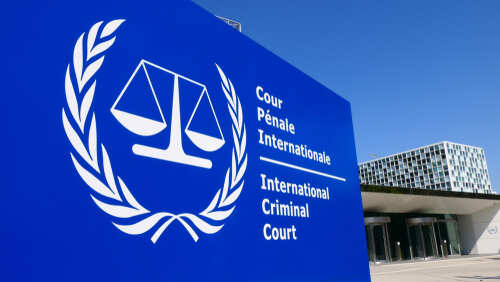
In a stunning twist of events, a federal judge has blocked the enforcement of President Trump’s Executive Order imposing sanctions on the International Criminal Court (ICC), leaving many to question the implications for American sovereignty and international justice.
At a Glance
- A federal judge has blocked Trump’s order imposing sanctions on the ICC.
- The ICC had issued arrest warrants for Israeli officials, prompting Trump’s response.
- The US and Israel have historically rejected ICC jurisdiction.
- The decision raises questions about the balance of international law and national sovereignty.
Federal Judge Halts Sanctions
A federal judge has put a halt to the enforcement of President Trump’s Executive Order that aimed to impose sanctions on the International Criminal Court. This action was a response to the ICC’s decision to issue arrest warrants for Israeli officials, which the Trump administration viewed as illegitimate. The injunction has sparked debate over the tension between upholding international justice and protecting national sovereignty.
Federal judge blocks enforcement of Trump’s order on International Criminal Court https://t.co/D0yDgAOaw7 pic.twitter.com/jg8WcJn9eL
— New York Post (@nypost) July 19, 2025
The ICC, established by the Rome Statute in 2002, aims to prosecute individuals for war crimes, crimes against humanity, and genocide. However, the US and Israel have consistently declined to join the court, citing concerns over its jurisdictional reach. This latest development underscores the ongoing friction between the US government’s determination to shield its allies and the ICC’s pursuit of global accountability.
Watch: President Donald Trump sanctions International Criminal Court | BBC News
The Trump Administration’s Position
The Trump administration has been vocal in its opposition to the ICC’s actions, describing the investigations as politically motivated and a threat to US and Israeli officials. The administration’s Executive Order, signed in February 2025, sought to impose sanctions on ICC officials, including visa restrictions and asset freezes, as a means to deter their investigations into US and Israeli nationals.
President Trump and his advisors argue that these measures are necessary to protect national sovereignty and prevent international bodies from overstepping their bounds. The ICC’s issuance of arrest warrants for Israeli Prime Minister Benjamin Netanyahu and former Defense Minister Yoav Gallant was a direct trigger for the executive order, further intensifying the administration’s resolve.
Implications for International Justice
The federal judge’s decision to block the enforcement of the sanctions raises significant questions about the future of international justice and the role of powerful nations in holding individuals accountable. Human rights organizations and UN experts have expressed concern that such actions undermine the global rule of law and set a dangerous precedent for other countries to evade accountability.
The ICC, while independent, relies heavily on international cooperation to carry out its mandate. The sanctions and the resultant financial and logistical constraints could severely impact the court’s ability to function effectively. Observers worry that this could embolden other states to resist similar investigations, thereby weakening the overall framework of international justice.