
Bruce Springsteen’s anti-Trump “resistance” tour is drawing backlash not from conservative media first, but from his own hometown paper—over prices and politics that critics say don’t match his working-class brand.
Quick Take
- NJ.com columnist Bobby Olivier slammed Springsteen’s April 20 Newark show as “hypocrisy,” arguing the message of populist resistance clashes with high-dollar ticketing and premium merch.
- Reports highlight top ticket prices reaching about $2,900 and “No Kings” flags selling for roughly $90, fueling claims the tour monetizes division.
- Springsteen used sharp anti-Trump rhetoric onstage, calling the president “corrupt, incompetent, racist, reckless, and treasonous,” while urging “resistance over complacency.”
- Coverage from Fox News and Mediaite amplified the NJ.com critique; no response from Springsteen’s camp was reported in the cited reporting.
A hometown rebuke turns a concert review into a political story
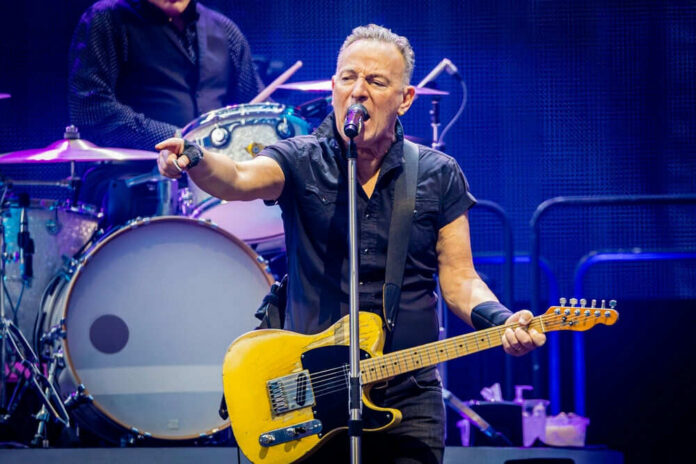
NJ.com’s critique landed because it came from Springsteen’s own backyard, aimed at an April 20, 2026 performance at Newark’s Prudential Center. Columnist Bobby Olivier argued the show’s anti-Trump framing was “poisoned by hypocrisy,” describing a disconnect between Springsteen’s long-cultivated blue-collar image and the financial reality of attending the event. The review didn’t dispute the artist’s right to speak politically; it questioned the credibility of doing it while charging premium prices.
Fox News and Mediaite both spotlighted the NJ.com review, treating it as a rare moment when a generally friendly, local outlet turned sharply critical. Those stories emphasized that Olivier’s rebuke wasn’t limited to politics; it was also about marketing and money. As presented in the coverage, the point was simple: a “resistance” sermon hits differently when it’s delivered to a crowd that can afford luxury-tier concert costs, especially in an economy where many families remain squeezed.
Ticket prices and merch become the centerpiece of the hypocrisy charge
The reporting points to two specifics that became symbols of the backlash: top ticket prices cited as high as $2,900 and “No Kings” flags priced around $90. Olivier also criticized efforts to block bootleg merchandise sales outside the venue, arguing that crackdowns on unofficial sellers undercut a self-styled working-class identity. None of these details prove wrongdoing; they do explain why critics framed the tour as profitable political theater rather than principled protest.
That critique also lands in a broader post-2020s debate about who gets to speak for “working people” in America. When political messaging is packaged as a premium entertainment product, the audience is naturally narrower and more affluent than the everyday Americans politicians constantly invoke. The coverage notes that Springsteen has significant wealth, including a widely reported catalog sale in 2021, which critics use to argue he is now preaching from a very different economic reality than the one his early music celebrated.
The rhetoric onstage is escalating as the second Trump term reshapes culture fights
At the Newark show, Springsteen reportedly opened with some of his harshest language yet against President Trump, describing him as “corrupt, incompetent, racist, reckless, and treasonous,” and urging fans to choose “resistance over complacency.” In 2026, with Republicans controlling Congress and Trump back in the White House, that style of celebrity activism has become a familiar part of the national soundtrack—one that conservatives often see as scolding, selective, and disconnected from daily costs like energy, housing, and groceries.
Still, the sources also suggest the story isn’t simply “right versus left.” Olivier’s argument, as relayed by the coverage, is that the combination of moral certainty and high-priced access makes the message feel less like civic engagement and more like branding. For conservatives who already distrust elite institutions, that framing reinforces a long-running suspicion: cultural power centers demand sacrifice from ordinary people while insulating themselves behind money, VIP access, and carefully managed rules.
What’s known, what isn’t, and why this matters beyond one tour stop
The reporting does not include a response from Springsteen’s representatives, and it does not provide hard data showing the criticism is affecting ticket sales or forcing changes to pricing. It also raises, but does not prove, questions about whether proceeds were directed to immigration-related or other causes connected to the show’s themes. Those gaps matter because they limit what can be concluded beyond the documented facts: the criticism exists, it is being amplified, and the tour appears to be continuing as planned.
https://t.co/mLOjyXIP2Q
2300$ tickets to hear Bull shit
Bruce Springsteen Trashed by His Own Hometown Paper Over Hypocritical Anti-Trump 'Resistance' Tour https://t.co/Cl4ah8t79O #gatewaypundit via @gatewaypundit— Harry Grant (@GrantHarryF) April 22, 2026
The larger takeaway is cultural, not procedural. When a political message is sold at premium prices, skepticism grows—especially among Americans who already believe government and media operate for the benefit of well-connected “haves.” Whether readers agree with Springsteen’s politics or not, the controversy underscores a reality both left and right increasingly recognize: trust is collapsing, and public figures who claim to represent “the people” face sharper scrutiny when their business model looks like it’s built for the elites.
Sources:
Bruce Springsteen Trashed by His Own Hometown Paper Over Hypocritical Anti-Trump ‘Resistance’ Tour
Bruce Springsteen Trashed by His Own Hometown Paper Over Hypocritical Anti-Trump ‘Resistance’ Tour