
The troubling question isn’t whether the FBI is investigating missing and dead U.S. lab personnel—it’s whether Washington can even recognize a national-security pattern before it’s too late.
Quick Take
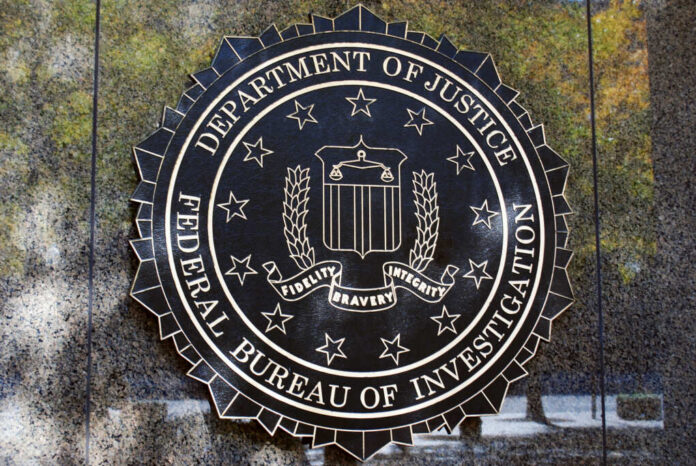
- The FBI says it is spearheading a multi-agency effort to determine whether a string of deaths and disappearances tied to U.S. government labs are connected.
- House Oversight Chairman James Comer is pressing the case publicly, arguing the odds of coincidence are low and demanding answers from federal agencies.
- Experts cited in reporting urge caution, saying available public evidence does not yet show a unifying link across the cases.
- NASA has signaled cooperation while stating it does not currently see a specific threat, underscoring the uncertainty facing investigators and families.
What Investigators Say They’re Looking At—and What’s Still Unproven
Federal investigators are reviewing roughly 10 to 11 cases involving scientists or staff with connections to sensitive government work, including nuclear and space-related programs. Reporting describes a mix of outcomes—some people are missing, others are dead—and a timeline stretching over several years, with increased attention after a more recent cluster of incidents. Authorities have not publicly confirmed a single cause or a verified foreign link, leaving the central question open.
Public interest spiked after the FBI acknowledged it was working with partner agencies and law enforcement to determine whether any meaningful connections exist. That posture—investigate first, conclude later—matters because sensational claims can outrun verified facts, especially online. At the same time, the very act of opening a multi-agency review signals that officials believe the question is serious enough to warrant coordinated scrutiny, not just local casework or isolated internal reviews.
Congress Turns Up the Heat as Agencies Offer Limited Clarity
House Oversight leaders have framed the situation as a potential national-security issue, with Chairman James Comer arguing publicly that there is a meaningful possibility of “something sinister.” Rep. Eric Burlison has also urged investigation, describing the circumstances as grave. The White House has referenced a “holistic review,” according to reporting, while agencies involved have been careful about what they can responsibly claim before evidence is established and cases are fully vetted.
NASA’s public posture illustrates the tension: cooperate and assess, but avoid declaring a threat without proof. That restraint may be appropriate, yet it also frustrates Americans who already suspect federal institutions are reactive and opaque. For conservatives who remember years of bureaucratic overreach on domestic priorities—but inconsistent urgency on border security, crime, and strategic vulnerabilities—this episode lands in a familiar place: distrust fueled by limited transparency, even when the stakes involve high-value scientific and defense-related work.
Experts Push Back on Narrative Certainty, Citing Mixed Causes
Specialists cited in reporting caution that, based on publicly available information, the cases do not yet appear linked by a common project or operational signature. Analysts at institutions such as CSIS and the Nuclear Threat Initiative have suggested that the United States has a large scientific workforce, which complicates claims that a handful of incidents would necessarily reflect a targeted campaign. Reporting also notes that some deaths may involve ordinary tragedies—illness, suicide, or personal violence—rather than espionage.
That skepticism does not disprove foul play; it simply sets a higher bar for conclusions. One widely referenced case described in reporting involved a killing attributed to a personal motive, not a foreign operation. The presence of such mixed circumstances is precisely why investigators are sorting for any genuine connective tissue: shared employers, shared research domains, travel patterns, communications, or contacts that would distinguish coincidence from coordination. Until those elements are demonstrated, certainty remains premature.
Why the Story Resonates: Security, Competence, and Public Trust
The bigger political significance is less about internet speculation and more about institutional confidence. If the FBI ultimately identifies a hostile-actor component, Congress will face pressure to harden protections for sensitive personnel and tighten counterintelligence screening, including at labs handling nuclear, aerospace, and advanced research. If investigators find no meaningful link, leaders will still need to explain why the public learned details in fragments and why rumors filled the information vacuum in the first place.
Either way, the episode exposes a shared national frustration: Americans across the spectrum increasingly suspect the federal government is better at messaging than problem-solving. Conservatives tend to see a security state that can move quickly against ordinary citizens but drifts when elite institutions are embarrassed. Many liberals see the same system as favoring insiders and leaving families without clear answers. The only durable response is competence—transparent oversight, careful evidence standards, and real accountability once the facts are in.
Sources:
Deaths and disappearances of scientists and staff at government labs
American scientists disappearance, death: national security concerns, FBI probe, NASA