A targeted ICE arrest in New York ended in gunfire near homes and a school, and politicians rushed to condemn it before key facts were known.
Story Highlights
- Homeland Security says ICE targeted a criminal illegal alien; an officer fired and the suspect was injured.
- New York Police Department said it was not involved; the man was conscious and treated at a hospital.
- Reports describe multiple shots near West 225th Street in Marble Hill during a public encounter.
- Officials demanded answers quickly while ICE had not yet detailed what triggered the shooting.
What Happened During the Marble Hill Arrest Attempt
Homeland Security officials said Immigration and Customs Enforcement officers carried out a targeted arrest in Marble Hill around 4 p.m. They said the wanted man was a criminal illegal alien from the Dominican Republic with a prior conviction for grand larceny and multiple prior arrests. During the encounter, an officer fired his weapon and the man was hit. Agents gave first aid right away, and the man went to a local hospital alive, according to the statement.
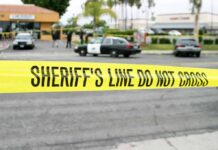
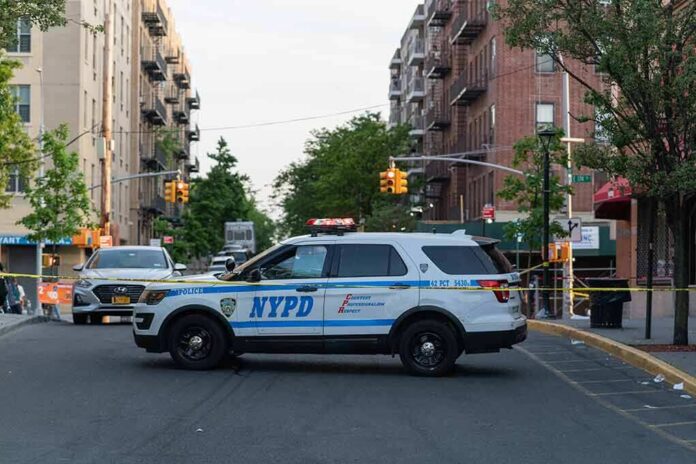
New York Police Department officials said city officers were not on scene when the shooting happened. Police also said the person who was shot was conscious and getting medical care. Local outlets reported the encounter unfolded near West 225th Street in a residential area with steady foot traffic. Those same reports said several shots were fired, which drew crowds and fast political reactions.
What Officials and Witnesses Are Saying So Far
News reports from the area describe a tense scene and gunfire that startled bystanders. Witness accounts referenced multiple shots and a man inside a vehicle during the arrest effort. Reporters also noted the setting was close to homes, transit, and a school, raising safety concerns for families. At the time of the first reports, neither federal officials nor city police had laid out the sequence that led to the shots, leaving open questions about timing and threat.
State and city leaders demanded explanations within hours. Their statements called for transparency and questioned conducting such an operation in a neighborhood. Those calls landed before investigators released a full timeline or any video. The quick political framing risks locking public opinion before evidence is gathered. That pattern often repeats in immigration cases, where early narratives harden before investigative files are complete.
Known Facts, Open Questions, and Why They Matter
Based on federal statements, the case started as an arrest of a noncitizen with a criminal record. That context explains why federal officers sought him and why they prepared for risk. Still unknown details include whether the suspect resisted, whether the vehicle moved, what commands were given, and why the officer fired. Those specifics decide whether the force met policy and the Constitution’s limits on seizures and deadly force. Without them, claims of blame or praise are premature.
LIVE: NYC Mayor Mamdani speaks after ICE officer involved shooting https://t.co/jHbO3gIBPn
— Spin City News (@spnctynews) October 9, 2026
For conservatives, two points stand out. First, federal officers enforcing the law in a sanctuary city often face mixed signals and loud resistance. That climate can raise risks for agents and neighbors alike. Second, rapid condemnation without evidence can chill lawful enforcement and embolden criminals who think politics will shield them. The right response is simple: protect due process, release the facts, and let trained investigators judge the split-second decisions made on the street.
What Accountability Looks Like Under Law and Policy
Standard procedure calls for collecting officer reports, medical records, shell casings, and any video. Investigators examine whether the officer faced an imminent threat and if safer options were possible. The Department of Homeland Security can review use-of-force decisions, and a United States Attorney can assess criminal exposure. New York Police Department scene logs can help map the timeline. A clear, public summary can calm the city while proving that the rule of law still rules the day.
What Comes Next for New Yorkers
Expect more details from federal investigators as they interview witnesses and review forensics. Expect city leaders to keep pressing for answers and to challenge federal arrests inside dense neighborhoods. Expect activists to rally and to push to curb immigration enforcement further. In the middle are families who want safety on their blocks and a government that acts with discipline. The facts, not the noise, must drive the final call on this case.
Sources:
youtube.com, thehill.com, nbcnewyork.com, wral.com