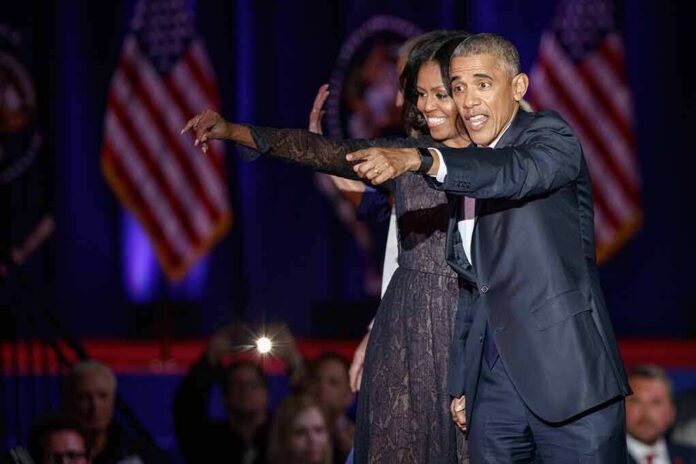
Democrats are sending Barack Obama to Detroit to jump-start early voting in Michigan’s tight midterm races.
Story Highlights
- Obama will rally with Michigan Democrats in Detroit on October 24, the first day of early in-person voting.
- The trip backs Senate nominee Abdul El-Sayed and gubernatorial nominee Jocelyn Benson in key contests.
- Obama also recorded ads for two dozen races nationwide, signaling a broad push by Democrats.
- Parties often use big-name surrogates to boost turnout, though effects are usually modest.
Obama Heads to Detroit to Boost Early Voting
The Michigan Democratic Party said Barack Obama will travel to Detroit on October 24 to rally voters with Secretary of State Jocelyn Benson and Senate nominee Abdul El-Sayed. The event is timed to the first day of statewide early in-person voting. The party said Obama will urge voters to back Democrats up and down the ballot. This stop places Obama at the center of Michigan’s midterm map, where close races could shape control of the Senate and state government.
Local and national outlets confirmed the Detroit rally details. Reports say Obama will appear in Detroit alongside El-Sayed and Benson as early voting opens, giving Democrats a high-profile stage in a battleground state. The planned rally lands with just weeks left before Election Day. It comes as Democrats aim to raise turnout in Detroit and nearby suburbs, where close margins often decide statewide results in Michigan.
Why Michigan, and Why Now
Michigan sits at the center of the midterm fight, with a competitive United States Senate race and a statewide ballot that can tilt policy on energy, education, and crime. Democrats are turning to a familiar face to unify factions after a tough primary and to energize base voters in Wayne and Oakland Counties. The pitch is simple: bank votes early and lock in support before late ads and news cycles muddy the field.
Obama’s role fits a common pattern in modern campaigns. Parties send top surrogates into swing states to signal unity, earn media, and help turnout operations. Research and campaign reviews show these visits can draw attention and volunteers. The direct persuasion effect is often small, but attention can lift fundraising and early-vote momentum when timed well, like on the first day of early voting. Democrats are following that playbook in Michigan this month.
National Push: Ads and Surrogate Strategy
Obama’s team confirmed he cut ads for twenty-four Senate and governor campaigns last week. That scale shows a coordinated national move to boost name recognition and turnout in close contests. Ads from a well-known figure can help campaigns frame stakes and push late-deciding voters to check their mail ballots or visit early voting sites. This surge suggests Democrats see tightening maps and want to maximize their most bankable messenger.
Campaign history shows mixed results for star power. Some endorsements and visits help at the margins, especially for turnout and small-dollar fundraising. Other times, effects are limited. Analysts say the average impact is modest, but timing and local dynamics matter. A well-placed rally on a key administrative date, like early voting’s start, can give field teams a measurable bump in sign-ups and ballot returns in the first crucial week.
What It Means for Voters Focused on Costs and Security
Michigan families are watching grocery prices, gas bills, and public safety. Democrats are countering with a message blitz built around Obama and high-energy events. Their goal is to lock in their base before Republicans make a closing argument on inflation, border enforcement, school standards, and crime. The Detroit rally tries to set the tone early, then sustain attention with follow-on local stops, phone banks, and absentee ballot chases in targeted precincts.
For conservatives, the takeaway is clear. Democrats believe they need Obama to motivate turnout in a must-win state. That signals they see risk on the issues driving kitchen-table concerns. Expect Republicans to answer with a focus on border control, lower energy costs, and safer streets, while pressing Democrats’ records in Lansing and Washington. The fight now moves to ground game and early votes. The side that banks more ballots in week one often sets the pace to November.
Sources:
pbs.org, bridgemi.com, detroitnews.com, x.com, newsweek.com, washingtonpost.com, bloomberg.com