

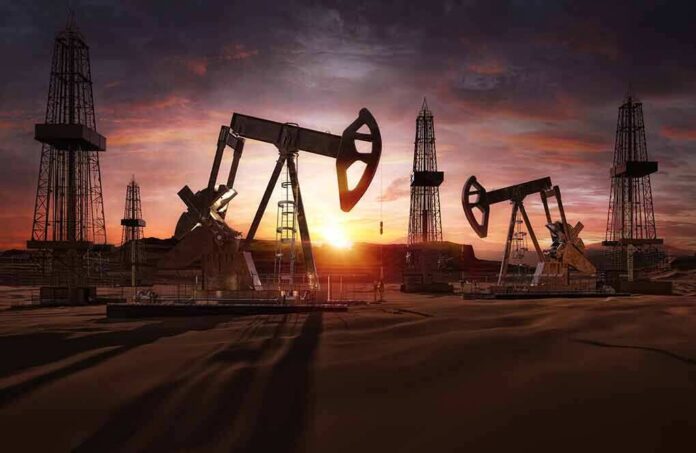
President Trump moved to scrap Biden-era methane rules with a proposal he says will save $45 billion and boost American energy production — a direct strike on red tape that hits wallets and weakens U.S. supply chains.
Story Highlights
- Trump announced a proposed rollback of methane rules, citing $45 billion in savings.
- The Environmental Protection Agency proposal targets burdens on low-producing, marginal wells.
- The administration links the move to more oil and natural gas supply and lower costs.
- The measure remains a proposal and will go through public comment before any final rule.
What the Proposal Does and Who It Helps
The Environmental Protection Agency proposal would roll back parts of Biden-era methane standards that raised costs on oil and gas operators, especially small and marginal wells. The plan would ease leak monitoring and repair timelines and revisit requirements for low-producing wells, which average small daily output and struggle with high compliance costs. The administration argues these steps cut wasteful red tape, keep small operators alive, and protect U.S. supply during tight global energy markets.
The proposed rule also targets specific programs that added layers of outside oversight and paperwork. Reported elements include revising or rescinding the Super Emitter Program, adjusting routine flaring limits, and providing longer windows to fix leaks after detection. Supporters say the prior structure favored big companies that can absorb extra costs, while squeezing mom-and-pop producers and driving up costs that ripple through fuel, power, and goods.
The Numbers the White House Is Citing
President Trump set a clear target: $45 billion in savings tied to reduced compliance costs and added domestic production under the proposal. Officials and coverage linked the revisions to more oil output and additional natural gas, with reporting describing projections of hundreds of millions of extra barrels and a large volume of gas unlocked by the changes. These figures aim to show that a lighter regulatory touch can improve energy security and ease price pressure for families and businesses.
The savings and production figures are still estimates, because the proposal must go through the normal process before it takes effect. Reporting notes the Environmental Protection Agency will receive public comments, and the final rule could change from today’s draft. That means the exact dollar savings and supply gains cannot be confirmed yet. Still, the administration is putting a number on the table and tying it to concrete rule changes, not vague promises.
Why This Matters for Energy Costs and Reliability
American families face high electricity and heating bills when supply is tight and rules add avoidable costs. Lower-cost production helps the entire economy by reducing price spikes and cutting the burden on trucking, farming, and factories. The administration’s approach focuses on keeping marginal wells operating and reducing costly checks that may not yield clear safety or environmental gains. By cutting overhead for smaller operators, the plan seeks to keep more U.S. barrels and cubic feet in the market, stabilizing prices over time.
President Trump is scrapping Biden-era methane regulations, claiming the move will save $45 BILLION and unlock 210 million barrels of oil.
The president announced the rollback during a Tuesday rally in Lubbock, Texas, calling the restrictions on oil and gas drilling "expensive… pic.twitter.com/SYkJ7QzRzN
— FOX Business (@FoxBusiness) October 28, 2026
Energy security is not just about price; it is about control. When rules make U.S. energy harder to produce, foreign suppliers gain leverage. The rollback seeks to strengthen domestic supply, which reduces risk from global shocks. That message resonates in states like Texas, where oil and gas support millions of jobs and help fund schools, roads, and first responders. Policy that keeps rigs turning and pipelines full supports paychecks and lowers the cost of living for families across the country.
Critics’ Claims and the Open Questions
Environmental groups argue that easing leak checks and ending third-party super-emitter reporting could lead to more methane emissions and less independent oversight. They cite satellite tools and past findings to push for tighter controls. Supporters counter that the prior rules were blunt and expensive, and that targeted monitoring and quicker repairs can manage real risks without crushing small producers. The Environmental Protection Agency’s final rule will determine how these trade-offs are set in law.
Two facts are clear. First, the proposal is not final, so the government will review comments and may adjust the rule. Second, the administration has placed firm numbers and specific mechanisms on the table: relief for marginal wells, streamlined monitoring, and revised repair timelines, with a stated $45 billion in savings and more domestic output if adopted. Those markers give voters and businesses a concrete yardstick to judge whether Washington is easing burdens or adding them.
Bottom Line for Conservative Readers
This proposal puts American energy and American workers first by cutting rules that raised costs and weakened supply. The White House links the move to billions in savings and stronger production, which could help tame bills and push back on global pressure. The process will take time, and opponents will fight it in the press and in the comment docket. For now, the administration is acting to reduce red tape, defend jobs, and keep power affordable for families and small businesses.
Sources:
politico.com, envirolink.org, theverge.com, moneycontrol.com