
A string of high-profile outages hit Apple and the Federal Aviation Administration, and officials say internal changes—not hackers—triggered the chaos.
Story Highlights
- Apple blamed an internal update for a multi-service outage and denied a cyberattack.
- Federal Aviation Administration investigators tied a nationwide disruption to routers that flooded the network.
- Federal Aviation Administration stabilized operations by disabling similar router broadcasts across the system.
- Officials report no evidence of a cyberattack in either event based on current findings.
Apple Links Outage To Internal Update, Not Intrusion
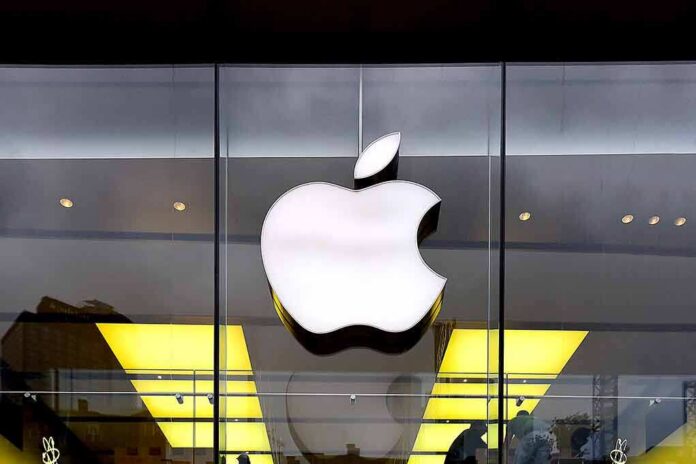
Apple said an internal update caused outages that disrupted sign-ins and services, and the company said it was not a cyberattack. The company stated many systems recovered the same day, with teams working to restore the rest. Apple did not release a detailed technical postmortem or change record. The public statement tied the timing to a company change that cascaded across systems. The report marks Apple’s second sign-in issue in a week, adding pressure to improve change controls.
The Apple outage fits a known pattern where software pushes and configuration changes break dependencies. Industry studies show internal changes often trigger major downtime. Google’s postmortem analysis found most outages trace back to binary or configuration pushes. That history helps explain why an internal update can take down sign-in and related services at once. It is not exotic. It is common, and it is preventable with better testing, rollback plans, and staging gates.
Federal Aviation Administration Traces Disruption To Router Flooding
The Federal Aviation Administration reported that routers installed during a communications upgrade flooded the network with excessive traffic. Investigators highlighted sites in El Dorado, Arkansas, and Amarillo, Texas. The surge produced about 1,000 connection attempts every four to five seconds, which interfered with aircraft communications and some radar data. The agency said there was no link to the Microsoft outage and no sign of a cyberattack. Officials emphasized the failure came from upgrade work, not hackers.
Federal Aviation Administration officials disabled the broadcasting ability of around 69 similar routers after the incident. They said that step stabilized or resolved the issue, supporting the view that equipment behavior or configuration triggered the failure. The modernization involved replacing old copper lines with fiber-optic systems during a contractor handoff. Investigators are sorting whether installer error, faulty hardware, or a configuration choice caused the flooding. The vendor later said the device worked as it was configured by the installer.
Modernization Risks Demand Better Testing And Accountability
The aviation case shows how legacy systems, new hardware, and human handoffs can collide. L3Harris worked to replace aging copper with fiber, while the Federal Aviation Administration managed live air traffic. That is a high-risk transition that must be staged, logged, and monitored. Turning off similar router broadcasts brought stability, which points to design, setup, or change control as the pressure point. The picture matches what engineering reviews call a change-induced failure, not a direct equipment collapse.
2 PM Top-of-the-Hour News
BREAKING THIS HOUR- LARGE BANKS ARE THE LATEST TO REPORT TECH TROUBLE.
CUSTOMERS WITH CHASE, BANK OF AMERICA WELLS FARGO AND OTHERS ARE REPORTING DIFFICULTIES ACCESSING ACCOUNTS ONLINE.
THIS FOLLOWS LAST WEEK'S MICROSOFT OUTAGES AND PROBLEMS WITH… pic.twitter.com/RbPhKtSYCc— Worldwide News Network (@WorldwideNNX) November 16, 2026
These incidents underscore a simple rule for big tech and critical infrastructure. Changes break systems more often than attackers do. That reality should drive stronger pre-change tests, smaller rollout batches, strict dependency checks, and fast rollback plans. It also calls for clear public updates after the fact. Apple’s brief statement and the Federal Aviation Administration’s early findings give the core facts, but the public will benefit from full timelines, configurations, and lessons learned to prevent repeat events.
Sources:
facebook.com, blackbeltnewsnetwork.com, dallasnews.com, abcnews.com, fox59.com, thedailybeast.com, ibtimes.co.uk, x.com, wired.com