A United Kingdom food-safety alert has triggered supermarket recalls after testing found Salmonella in apple and kiwi used in fruit products sold by major chains.
Story Highlights
- United Kingdom retailers including M&S and Tesco recalled fruit products after Salmonella was found in ingredients.
- Supplier Prepworld is named in the recall notices covering apple and kiwi-based packs.
- Customers are told not to eat affected items and to return them for a refund.
- Listed products carry specific use-by dates, showing a narrow, targeted action.
Testing Triggers Recall Across Major United Kingdom Retailers
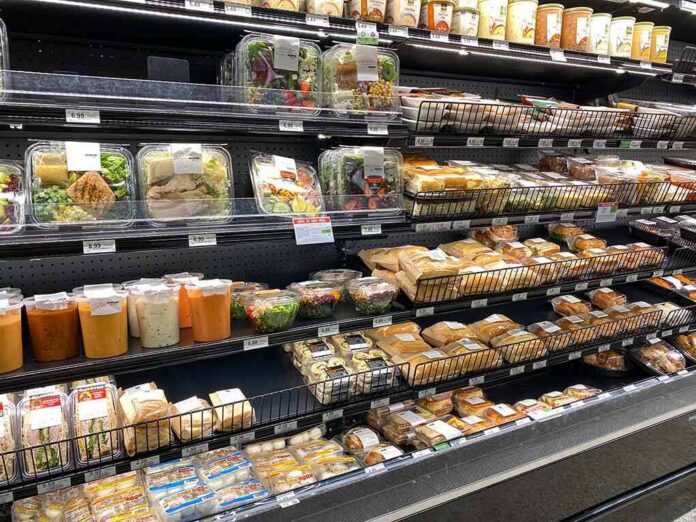
The United Kingdom Food Standards Agency said testing identified Salmonella in apple and kiwi ingredients used in ready-to-eat fruit products, prompting recalls across several supermarkets, including Marks & Spencer and Tesco. The action instructs shoppers not to eat named items and to return them for a refund. Officials and retailers often take this step fast to cut risk while they check supply chains. The alert ties to prepared fruit packs supplied into multiple store brands.
Recall coverage lists specific products and dates, which helps limit waste and panic. A notice details item names, pack sizes, and use-by dates, including selected Marks & Spencer apple-slice packs dated 24 June 2026, to target the affected batch window. Clear labels let customers check their fridge in seconds. The guidance is simple: do not eat the listed items, bag them, and take them back to the store for a full refund with no receipt needed.
Supplier Named; Scope Includes Multiple Store Brands
Reports identify Prepworld as the supplier recalling a range of fruit packs after Salmonella was found in apple and kiwi used in those products. The recall spans multiple major grocers, including M&S, Tesco, Sainsbury’s, ASDA, Morrisons, and Waitrose, which shows how one supplier can touch many labels through modern distribution. This is a textbook, precautionary move: isolate the lots, alert shoppers, and protect families while root-cause checks continue within the plants and depots.
Health officials and retailers did not report confirmed illness counts in the recall summaries provided to the public. The recall is framed around a positive test in ingredients and a clear instruction to avoid the named products. That is how United Kingdom food safety often works: pull first, verify and trace next. The Food Standards Agency guidance treats recalls as a standard tool to keep risk low and confidence up during incident review.
What United States Readers Should Know and Why It Matters
American shoppers see a larger lesson here. Food safety depends on fast tests, honest labels, and tight traceability. The United Kingdom action shows the system can move quickly when ingredients test positive. That is the model we should expect at home too. Families want straight facts and quick recalls, not spin. Clear dates, named products, and no-hassle refunds help protect kids, seniors, and anyone with a weak immune system while keeping panic in check.
Greencore is recalling M&S ready-to-eat products over possible Salmonella in pistachios. Consumers are advised not to eat the implicated batches. https://t.co/YKi6FBQjp7
— Cork Safety Alerts (@CorkSafetyAlert) October 8, 2026
Conservatives also see why local supply and transparency matter. Long chains and opaque sourcing spread a single error across many stores. Strong inspection, firm accountability for suppliers, and public notices with plain language keep people safe without bloated bureaucracy. Here, the recall told shoppers exactly what to do. That protects liberty and health: informed citizens make quick choices, and companies fix problems fast when sunlight reaches every link in the chain.
Sources:
mirror.co.uk, freshplaza.com, x.com, gbnews.com