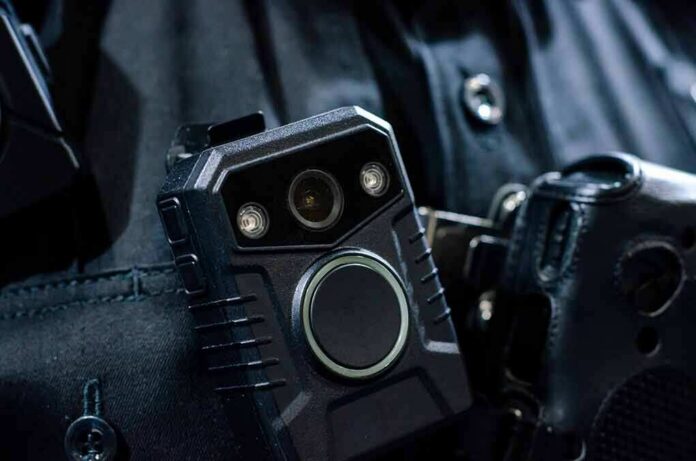
Body-camera and surveillance videos show an Arizona State student thrown down and punched during a Tempe arrest, and prosecutors dropped the initial felonies before the city refiled lesser charges.
Story Snapshot
- Video shows an officer shove and punch Eryn Bonner during a July 19 arrest on Mill Avenue.
- Prosecutors declined felony charges; the city later filed two misdemeanors instead.
- Tempe police say Bonner ignored commands and struck an officer five to six times.
- Public debate focuses on use of force and what edited body-camera clips really prove.
What The Videos Show And Why The Clip Went Viral
Arizona Republic reported that surveillance video outside a nearby business and police body cameras captured Eryn Bonner trying to pull officers off a man before an officer punched her once while restraining her on July 19. Reuters described an officer pushing and punching Bonner after she refused to back away, which fueled the viral spread and outrage. Local reports later said officer body camera shows the shove, the punch, and Bonner going face-down on the street before handcuffs are applied.
Tempe residents and viewers across the country saw a short, shocking moment: a young woman going down hard. That clip sparked sharp questions about training, judgment, and the duty to de-escalate. Bonner’s family said, after reviewing video, that officers did not try to calm the scene and used force that was not appropriate. At the same time, police-aligned summaries argue the clip hides what came first and why the officer said he punched at all.
Charges Shifted From Felonies To Misdemeanors
Arizona Republic reported that the Maricopa County Attorney’s Office declined to prosecute initial felony counts, including aggravated assault on an officer, after reviewing the case. The city later filed two misdemeanors in Tempe City Court, narrowing the legal exposure but keeping the incident active. That shift matters. It shows the strongest version of the initial police narrative did not survive first review, even as the city maintains that some laws were broken and wants a court to decide.
Reuters noted that court records reflect the officer’s claim that Bonner scratched and punched him, which supports the city’s effort to keep charges alive on lesser grounds. Local Your Valley coverage states that body-camera and nearby-business footage shows Bonner being pushed down and punched before being handcuffed, which will likely be central if a judge weighs proportional force against alleged interference. This mix of facts is why the case remains contested and not cleanly one-sided.
Police Account Versus Family And Community Questions
Fox 10 Phoenix, citing the arrest report, said police claim Bonner ignored repeated orders to back up, pushed between officers, and then hit one officer five to six times, after which he struck her once to stop the assault. That framing, if proved in court, would support a limited use of force to regain control of an active arrest. But the viral video and surveillance angles have led many to see a young woman overpowered and hit in the face on a public street, prompting calls for accountability.
Eryn Bonner — the ASU stunt team member was charged with two misdemeanors, disorderly conduct and interfering with police, months after a viral video showed a Tempe officer shove her to the ground, tackle her onto a bike and punch her. Full record: https://t.co/8huSxXdkVS
— CancelPeople.com (@cancelpeoplenow) October 5, 2026
Arizona Republic reported Bonner’s family believes officers failed to de-escalate when they had chances to do so. Phoenix New Times described the arrest as violent and covered a council member’s criticism, showing how local leaders are being pressed by residents to demand better judgment and more transparency from city police. This split—orders ignored versus force too fast—tracks a pattern we have seen before when edited clips reach the public first and full records follow later.
Why This Matters For Law, Order, And Trust
Conservatives value law, order, and personal responsibility. Police must enforce the law, and citizens should obey lawful commands. But we also demand clear standards and restraint when force is used. Here, the felony retreat to misdemeanors raises fair doubts about initial claims, while police still allege Bonner struck an officer several times. Both truths can stand: crowd chaos is dangerous, and yet a punch to the face of a restrained person invites strict scrutiny and better training.
Tempe can reduce doubt by releasing full, unedited video from all officers, with audio and timestamps, so people can see the complete sequence, not just a clip. Transparent reviews protect good officers, discipline bad tactics, and rebuild public trust. That is how we keep streets safe and keep government power in check. The facts now move to court, where evidence—videos and reports—must carry the day, not trends or partisan spin.
Sources:
nypost.com, kold.com, azcentral.com, rmb.reuters.com, newsbreak.com, azfreenews.com, yourvalley.net