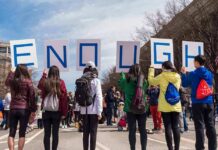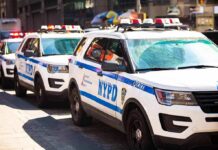


America’s embassy in Paris warned U.S. citizens to avoid protest zones as French cities imposed night curfews after violent riots.
Story Highlights
- The U.S. Embassy in France urged Americans to avoid demonstration areas amid unrest.
- French authorities ordered localized night curfews in parts of Paris and other cities.
- Police cited looting, arson, and attacks on public buildings after weekend riots.
- Officials said curfews run roughly 11 p.m. to 6 a.m. in central Paris hot spots.
Embassy Warning Follows Weekend Violence and Curfews
U.S. Embassy officials in Paris issued a security alert telling Americans to avoid areas of demonstrations in major French cities. The alert followed a weekend of violent protests and looting that pushed French leaders to restrict movement at night. French authorities placed curfews in select zones, including central Paris areas such as Place de la République and streets around Les Halles. Police set curfew windows from late evening to early morning to slow street clashes and reduce damage.
French media and international outlets reported that the government turned to “very limited” and “localized” curfews after attacks on city halls, public buildings, and businesses. The French prime minister told regional leaders to use targeted curfews to stop more looting and arson. Police also banned evening gatherings in some districts to cut crowd size and prevent fresh flare-ups. These moves aimed to stabilize transit, protect shops, and help first responders regain control of city centers.
Where Restrictions Apply and How Long They May Last
Paris police announced curfews from 11 p.m. to 6 a.m. in two central zones: the Les Halles area in the first district and the Place de la République, a frequent protest site. Other cities also used night restrictions after crowds swelled and property crimes rose. Authorities did not set a long timeline for the measures. Officials framed the curfews as short-term tools, adjusted nightly based on risks and police capacity in the affected neighborhoods.
Local bans on demonstrations after dark went alongside the curfews. Police said the evening limits would help officers target the worst hot spots and keep bystanders out of harm’s way. Business owners boarded storefronts. Transit agencies warned of late service cuts near protest paths. The embassy alert reflected these realities and advised Americans to steer clear of marches, expect detours, and monitor local news and official channels for route changes and safety updates.
How Embassy Alerts Work and What Travelers Should Do
The State Department’s system uses quick embassy alerts to flag short-term risks like protests, curfews, or weather threats. These messages differ from a countrywide Travel Advisory, which rates overall risk. The France alert fits the first category: a focused warning to avoid demonstration areas, watch surroundings, and follow police orders. The department explains that embassies send such alerts when fast-moving events could trap travelers or cut access to help if violence flares nearby.
6 PM Top-of-the-Hour News
Protests continue in France Student protestors blocked the entrance to the Louvre in Paris, preventing it from opening. French Police arrested 24 hundred people over the weekend, as the student protests morphed into looting and arson.
Brad Gibson… pic.twitter.com/LodW17pZDA— Worldwide News Network (@WorldwideNNX) October 19, 2026
American travelers should take simple, firm steps. Check local curfew hours and stay off streets during those windows. Avoid plazas and squares known for marches, even if crowds look calm. Keep a low profile near transit hubs. Carry identification and a charged phone. Track official updates, as zones can change quickly. Common sense keeps families safe: do not film clashes, do not argue with police, and leave at the first sign of trouble. These basics help avoid panic and keep trips on track.
Sources:
thegatewaypundit.com, edition.cnn.com, dw.com, bbc.co.uk, abcnews.com