
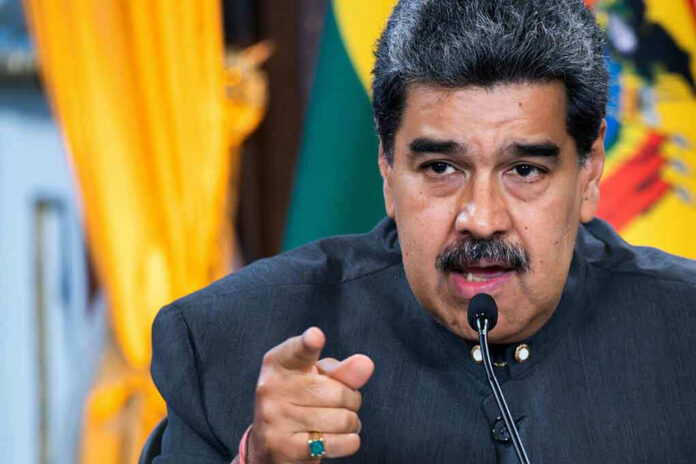
On an unannounced trip to Caracas, Defense Secretary Pete Hegseth said the United States and Venezuela signed a deal to restart military ties after two decades, months after U.S. forces captured Nicolás Maduro and flew him to New York to face drug charges.
Story Highlights
- Hegseth announced a signed U.S.-Venezuela military cooperation deal in Caracas.
- The pact includes joint training, intelligence sharing, and added defense equipment.
- Cooperation resumes for the first time since ties were cut in 2005.
- Maduro was seized in January and is now facing drug-trafficking charges in New York.
What Was Signed And Why It Matters
U.S. Defense Secretary Pete Hegseth said in Caracas that the United States and Venezuela signed a deal to reestablish military cooperation. He described plans for joint training, intelligence sharing, and more defense equipment and capabilities. He framed the move as a reset after years of hostility. He called it a step to counter threats and stabilize the region. Reporters said the public details were limited, with no released text or annexes so far.
Associated reporting said the agreement would deepen day-to-day ties between the two militaries. The plan marks a change from the policy drift and soft-pedaled enforcement of past years. It signals a tougher line against criminal networks that moved drugs across the Caribbean and into U.S. streets. Hegseth’s remarks pointed to practical cooperation first, politics second. That approach echoes the administration’s focus on results, borders, and security partnerships that actually deliver.
Context: From Break To Renewal After 2005 Cutoff
News outlets in the United States and abroad noted that formal cooperation with Venezuela’s military had been severed since 2005. The new pact marks the first resumption in 21 years. That long freeze reflected deep mistrust and the damage caused by socialist misrule in Caracas. Rebuilding links now could aid maritime patrols, air tracking, and joint efforts against cartels that profit from chaos. The specific terms and legal framework remain undisclosed to the public.
For American readers, the return to structured cooperation could mean better intel on drug routes, faster interdictions, and fewer narcotics reaching communities. It could also mean shared training that helps Venezuelan forces defend their borders instead of feeding corruption. The absence of a published agreement leaves questions on duration, funding, and oversight. Those details matter for Congress and for taxpayers who demand accountability and clear goals.
January Operation And Legal Track Against Maduro
Multiple reports state that U.S. forces seized Nicolás Maduro in Venezuela on January 3, 2026, and transferred him to New York to face drug-trafficking charges. Court coverage described Maduro telling the judge through an interpreter, “I was captured.” That placed him inside the U.S. legal system after years of accusations about narco-trafficking ties and repression. The operation’s full timeline and force composition have not been publicly documented in detail.
The capture changed the diplomatic map. Hegseth’s visit came as interim authorities sought help to restore order and rebuild key state functions. Supporters say removing a corrupt strongman opened the door to security cooperation that serves both nations. Critics warn about sovereignty and long-term basing risks. Skepticism persists because officials have shared only broad strokes, not the signed text, rules of engagement, or funding lines.
Weighing Benefits, Risks, And Next Steps
Conservatives will welcome tougher action against traffickers who poison American towns. Joint training and shared intelligence, if run well, can choke off sea and air routes and expose cartel finances. A working partner on Venezuela’s coast strengthens U.S. homeland security. But the public still needs answers: What are the limits on access, what triggers a pause, and how will Congress oversee spending and missions tied to this agreement?
The Trump administration’s test now is execution. Publish the agreement and core annexes. Set measurable goals on drug seizures and interdictions. Report quarterly to Congress and the public. Keep the mission focused on security, not nation-building. That clarity protects U.S. troops, respects the Constitution, and keeps faith with families who have paid the price of fentanyl and cartel crime. Results, transparency, and limits will turn a bold shift into a lasting win.
Sources:
youtube.com, usnews.com, wrtv.com, whio.com, efe.com, yahoo.com