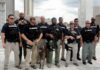
A sitting Mexican senator tied to the ruling leftist party has quietly surrendered on U.S. soil, accused of helping the Sinaloa Cartel flood America with deadly drugs while hiding behind government power.
Story Snapshot
- Mexican Senator Enrique Inzunza Cázarez, linked to the Sinaloa Cartel, was taken into custody in San Diego on U.S. drug and weapons charges.
- Prosecutors say he acted as a political fixer for the cartel’s Los Chapitos faction, trading protection for cash and power.
- His arrest follows a sweeping U.S. indictment of 10 current and former Mexican officials tied to cartel trafficking networks.
- The case underscores how corrupt foreign officials and porous borders fuel America’s fentanyl crisis and threaten national security.
Cartel-Linked Senator Walks Into U.S. Custody
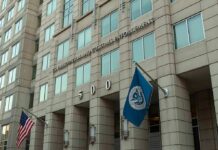
Federal authorities now have Mexican Senator Enrique Inzunza Cázarez in custody after he reportedly crossed into San Diego and surrendered to agents from the United States Drug Enforcement Administration, following weeks of pressure from a New York grand jury indictment. Inzunza, a senator from Sinaloa and member of Mexico’s ruling Morena party, had been charged in late April alongside the sitting governor of Sinaloa and several other officials in a sweeping narcotics and weapons conspiracy case.[1][2]
The United States Attorney’s Office for the Southern District of New York alleges that Inzunza participated in a scheme to help the Sinaloa Cartel move massive quantities of drugs, including fentanyl and other narcotics, into American communities.[1] The indictment charges him with narcotics importation conspiracy and weapons-related offenses tied to cartel violence.[1] Local reports in San Diego note that he was taken into custody without incident, suggesting a negotiated surrender rather than a dramatic arrest on the streets.
Alleged Political Fixer for Los Chapitos
According to the Justice Department, Inzunza’s real value to the cartel was not as a street-level trafficker but as a political operator embedded inside the Sinaloa state government.[1][2] Prosecutors say he acted as a go-between for the cartel faction known as Los Chapitos, run by the sons of notorious trafficker Joaquín “El Chapo” Guzmán, and top state officials, including the Sinaloa governor.[2] Reporting describes him as a trusted facilitator who could deliver political protection and government favors in exchange for cartel money.[2][3]
The indictment alleges that cartel leaders met with Inzunza and other officials to coordinate how the Sinaloa government would shield trafficking operations from law enforcement.[1][2] That protection allegedly included using state power to target enemies, steer security forces away from cartel routes, and ensure friendly allies stayed in key positions.[1] While Inzunza has publicly denied wrongdoing, the charges lay out a classic picture of a “narco-state,” where criminals and officeholders operate as one network rather than as adversaries.[1][3]
Ten Mexican Officials Indicted, Mexico Under Pressure
Inzunza is only one of ten current and former Mexican officials named in the New York indictment, which also charges Sinaloa Governor Rubén Rocha Moya and several mayors, law enforcement commanders, and cabinet-level figures.[1][3] American prosecutors say this group conspired with cartel leaders for years, helping move drugs north while securing power and money at home.[1] The charges have created a political crisis for Mexican President Claudia Sheinbaum’s government, which now faces intense American pressure to cooperate on extraditions.
Analysts note that Washington has used these kinds of public indictments to force the issue with Mexican leaders who have often been reluctant to confront powerful cartels inside their own ranks. The Los Angeles Times reports that Mexico’s leadership now must choose between extraditing prominent officials, risking domestic backlash, or resisting and further straining relations with the Trump administration. Either path exposes how deeply organized crime has penetrated Mexican institutions that are supposed to be partners in border security.[1]
What This Means for America’s Border, Fentanyl, and Sovereignty
The Justice Department press release spells out the stakes clearly: prosecutors allege that these officials “conspired with leaders of the Sinaloa Cartel to import massive quantities of narcotics into the United States.”[1] That is not just a foreign corruption scandal; it is a direct assault on American families already living with record overdose deaths driven by fentanyl and methamphetamine. When senior politicians allegedly help cartels instead of fighting them, the flow of poison across our border becomes a matter of state policy, not just organized crime.[1][2]
For many Americans who demanded tougher border enforcement and a crackdown on traffickers, this case will look like confirmation of what they long suspected: the real problem is not merely poor migrants, but corrupt elites and global networks that profit from an open border. The Trump administration now faces a choice of its own—whether to leverage these indictments into sustained pressure on Mexico, tighten controls at the southern border, and ensure that every cartel-linked official who sets foot on U.S. soil faces justice, no exceptions.[1]
Sources:
[1] Web – Governor Of Sinaloa And Nine Other Current And Former Mexican …
[2] Web – Feds charge Sinaloa governor, others with running drugs to US
[3] Web – Justice Dept. Indicts Mexican Politicians on Drug Smuggling Charges