
German airlines have been advised to avoid Iranian airspace amid escalating tensions, highlighting ongoing regional instability and threats to aviation safety.
Story Highlights
- German aviation authority warns airlines to steer clear of Iranian airspace.
- Lufthansa adjusts operations, bypassing Iran and Iraq due to security threats.
- U.S. President Trump supports protesters, increasing regional tensions.
- Iran’s temporary airspace closure disrupts global aviation routes.
Germany’s Directive on Avoiding Iranian Airspace
On January 14, 2026, Germany’s aviation authority issued a directive advising airlines to avoid Iranian airspace due to rising regional tensions. This decision followed Iran’s brief closure of its airspace, which disrupted international flights. The directive aims to protect passenger and crew safety amid potential military escalation in the Middle East.
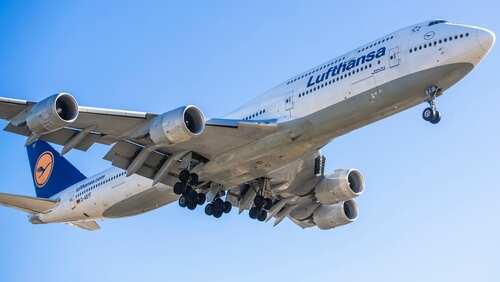
Lufthansa, Germany’s flagship carrier, has responded by rerouting its flights. The airline will avoid Iranian and Iraqi airspace and adjust its operations to focus on flights to Israel and Jordan. This decision underscores the airline’s commitment to passenger safety in an increasingly volatile security environment.
Just in! German authorities have issued a new NOTAM cautioning German carriers from entering Iranian airspace.#airspace #aviation pic.twitter.com/lMbKw6gnCP
— FL360aero (@fl360aero) January 14, 2026
The Role of U.S. Policy in Regional Tensions
U.S. President Donald Trump’s stance on the ongoing unrest in Iran has contributed to heightened tensions. Trump has expressed support for Iranian protesters, which has further strained U.S.-Iran relations. His administration’s threats of intervention have led to a precarious situation, increasing the risk of conflict and further disrupting international aviation.
As protests in Iran continue, the U.S. has also taken steps to withdraw personnel from Middle Eastern bases, reflecting a complex geopolitical landscape. The move highlights the intricate dynamics between U.S. foreign policy and regional stability, with potential ramifications for international carriers operating in the area.
Impact on Global Aviation and Markets
The closure and reopening of Iranian airspace have had immediate effects on international aviation. Airlines face increased costs and logistical challenges as they reroute flights, leading to extended travel times and operational disruptions. The situation also impacts market volatility, with safe-haven assets like gold and the U.S. dollar seeing fluctuations in response to regional instability.
The ongoing tensions underscore the importance of strategic risk management for airlines operating in high-risk areas. As geopolitical dynamics continue to evolve, airlines must remain vigilant and adjust operations to ensure safety and minimize disruptions.
Watch:
Sources:
Germany Cautions Flights Over Iran as Lufthansa Rejigs Middle East Operations
Germany Cautions Flights Over Iran as Lufthansa Rejigs Middle East Operations
Lufthansa Extends Tehran Flight Suspension to 28 January Amid Security Concerns
Germany Cautions Flights Over Iran as Lufthansa Rejigs Middle East Operations