
Iran-backed strikes on merchant ships spiked as a senior Revolutionary Guard commander declared the Strait of Hormuz “closed,” raising real risks to energy supplies and global trade.
Story Highlights
- Iranian commander said Iran has closed the strait and controls passage until demands are met.
- Singapore’s maritime authority confirmed two Singapore-flagged ships were hit on Oct. 13–14; one later sank after a fire.
- The International Maritime Organization’s regional register listed over 100 confirmed incidents and multiple deaths by mid-October.
- United States Central Command said shipping lanes are open and reported large oil flows through the strait in recent months.
Iran’s Claim of a ‘Closed’ Strait and What It Means
Iran’s Revolutionary Guard signaled a hard line. A senior commander said Iran had “closed” the Strait of Hormuz and held full control until its “legitimate demands” are met, framing attacks and checks as justified responses to pressure and sanctions. That language matters. The Strait of Hormuz carries vital oil and gas. Any claim of closure threatens free navigation. It puts ship crews at risk and can raise energy prices for American families and allies.
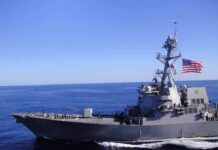
United States officials rejected that claim. United States Central Command said main lanes are open and that forces cleared mines and supported safe passage. The command also reported over one billion barrels of crude moving through the strait in recent months, signaling continued traffic despite attacks. These are competing messages in a dangerous zone. One side tries to project control through fear. The other works to keep trade moving under real fire.
Documented Ship Attacks and Escalating Risks to Crews
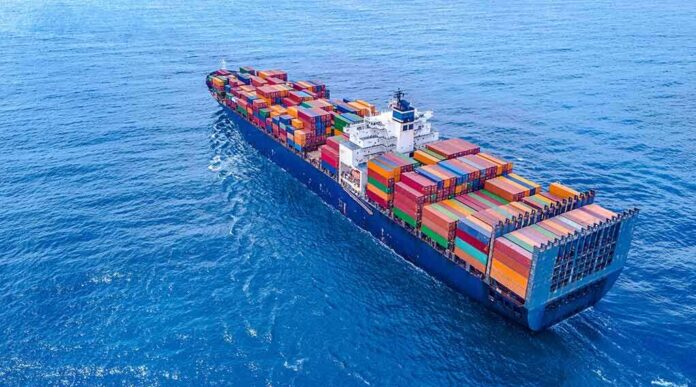
Singapore’s maritime authority reported two Singapore-registered container ships, GFS Pride and GFS Giselle, were struck by projectiles on October 13 and 14 while transiting Hormuz. One vessel later sank after a fire, though crews were evacuated, highlighting both the danger and the value of quick rescue action. Other shipping bulletins flagged multiple container ships hit around the same period, confirming a cluster of incidents that spooked carriers and insurers.
Maritime tallies show the crisis is wider than a single event. By mid-October, trackers and industry outlets cited over one hundred confirmed incidents in Hormuz and the region, with confirmed seafarer deaths reported in official tallies. That count matches the brutal pattern of coercion at sea and underscores the sustained peril to crews simply doing their jobs moving goods and energy. These numbers back what ship captains already feel: the risk is real and rising.
Why This Matters for America: Energy, Inflation, and Deterrence
Blocked or threatened sea lanes hit wallets at home. When oil and gas face danger in Hormuz, markets jump. Higher shipping insurance and reroutes push costs onto everything that moves by sea. Families feel it at the pump and in the store. This is why keeping the strait open aligns with core American interests: affordable energy, stable supply chains, and strong deterrence against rogue coercion. Iran’s play is leverage by fear; America’s task is freedom of navigation backed by force when needed.
History shows the pattern. During past crises, Iran used mines, drones, and missiles to harass shipping, while the United States and partners escorted vessels and cleared routes. Analysts note traffic can dip sharply when attacks spike, even if the strait is not fully shut. The current flare-up repeats that script: pressure by the coastal power, and response by naval coalitions to keep goods flowing under international law. Steady resolve, not panic, wins these contests.
Competing Claims, Clear Priorities: Keep Ships Moving and Crews Safe
Iran’s statement that it “closed” Hormuz challenges the idea that shared waters stay open under global rules. The United States Central Command’s statement that routes are open pushes back and reassures shippers that the escort mission continues. Both statements cannot define reality at once. The facts that matter most are the confirmed hits on ships, the evacuations, and the tally of incidents. Those facts show danger persists even as some traffic still moves.
What a week. Here are the top 10 national stories of Oct. 11 to 17, and why each one mattered.
1. The Iran war hit shipping hard. BBC Verify counted 12 ships reporting attacks in and around the Strait of Hormuz from Oct. 5 to 11, a weekly record, and the container ship GFS Pride… pic.twitter.com/mHq3LfxXeQ
— Words Have Meaning | Word Files (@dlcampbell05) October 17, 2026
For conservatives, the path is clear. The United States must defend free navigation, protect crews, and keep energy moving. That means hard pressure on Tehran’s military networks that target ships, tighter sanctions on facilitators, stronger escorts, and real penalties for any state actor that arms or directs these strikes. Peace through strength is not a slogan here. It is how families avoid higher prices and how our allies keep the lights on in a rough world.
Sources:
straitstimes.com, icis.com, sands.no, regulasshipping.com, aljazeera.com, cnbc.com, euronews.com, x.com