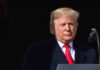

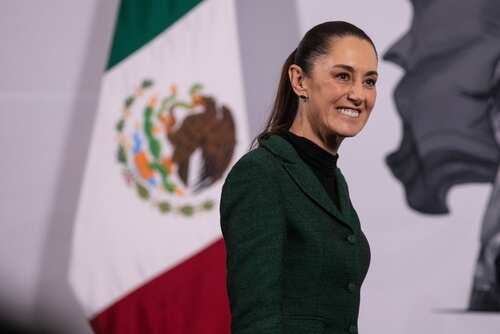
Mexican President Claudia Sheinbaum successfully rebuffed Trump’s offers of U.S. military intervention against drug cartels, asserting Mexico’s sovereignty.
Story Highlights
- Sheinbaum firmly rejected Trump’s military assistance offers, declaring “We operate in Mexico, no one else”
- Mexico presented evidence of anti-cartel progress including homicide declines and increased fentanyl seizures
- Trump acknowledged Mexico’s efforts but pressed for expanded action against drug trafficking networks
- Bilateral security talks scheduled for January 22-23 following the diplomatic breakthrough
Mexico Stands Firm Against U.S. Military Intervention
President Claudia Sheinbaum delivered a clear message to Trump during their January 12 phone conversation: Mexico will handle cartel operations independently without foreign military assistance. The Mexican leader emphasized sovereignty principles while describing the 15-minute discussion as “very good” and “respectful.” Sheinbaum’s firm stance comes after Trump’s recent threats of land strikes against cartels, signaling Mexico’s determination to resist U.S. intervention despite mounting pressure over fentanyl trafficking.
Trump Acknowledges Mexican Anti-Cartel Efforts
During the call, Trump recognized Mexico’s ongoing security operations while urging expanded action against drug trafficking networks. Sheinbaum presented data demonstrating Mexico’s progress, including declining homicide rates, increased fentanyl seizures, and successful dismantlement of drug laboratories. The Mexican president reported that Trump “didn’t talk about incursions” during their conversation, marking a notable shift from his previous aggressive rhetoric about striking cartels on Mexican soil.
Watch;
Diplomatic Victory Preserves U.S.-Mexico Partnership
The positive outcome represents a strategic win for Mexico’s sovereignty-first approach while maintaining crucial bilateral cooperation. Foreign Secretary Juan Ramón de la Fuente’s earlier coordination with Secretary of State Marco Rubio helped establish diplomatic groundwork for the presidential discussion. This collaborative framework contrasts sharply with Trump’s previous threats and demonstrates Mexico’s ability to engage as an equal partner rather than subordinate in security matters.
The successful diplomatic engagement occurs against the backdrop of broader U.S.-Mexico tensions, including ongoing tariff disputes and USMCA trade agreement reviews. Both nations recognize their economic interdependence while navigating complex security challenges that affect American communities directly impacted by cartel violence and fentanyl trafficking.
Upcoming Security Talks Signal Continued Cooperation
Bilateral security meetings scheduled for January 22-23 will test whether the positive phone call translates into sustained cooperation without compromising Mexican sovereignty. U.S. officials continue pressing for “tangible results” in dismantling cartel networks, while Mexico maintains its constitutional commitment to non-intervention principles. The upcoming talks represent a critical opportunity for Trump to achieve meaningful progress against drug trafficking through partnership rather than unilateral military action.
Mexico Reports Positive Conversation With Trump on Security, Drug Trafficking https://t.co/K9usuAJkGw via @epochtimes
— Cynthia Farr Kinkel 💻📷👀 (@CFKTidewriter) January 13, 2026
For American conservatives concerned about border security and fentanyl deaths, Mexico’s demonstrated progress offers hope for effective cooperation without costly military interventions. The diplomatic approach preserves important trade relationships while addressing legitimate security concerns that directly impact American families and communities suffering from the ongoing drug crisis.
Sources:
Top Mexican and US Diplomats Meet
“We operate in Mexico”: Sheinbaum on Trump at Monday’s mañanera, recapped
Mexican president tells Trump that U.S. intervention against cartels is unnecessary
Mexico Navigates Complex Future With Trump After Venezuela Raid