
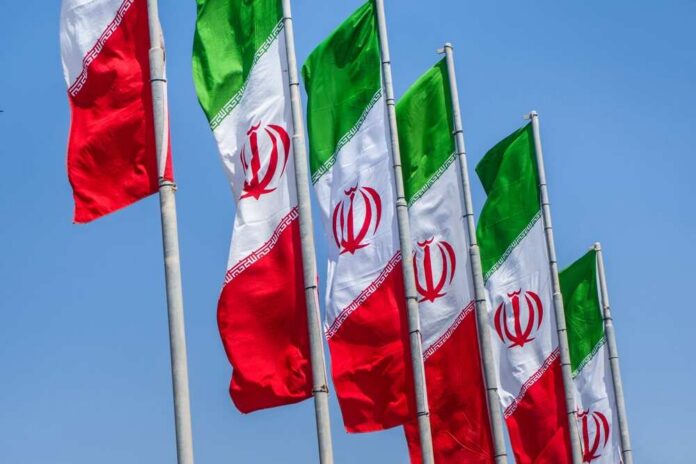
A growing fight over Iran war coverage is raising a chilling question for American reporters: does simply repeating “bad news” from Tehran’s state media make you a foreign agent in the eyes of Washington?
Story Snapshot
- The Justice Department has used foreign-agent law against Iran-linked “news” sites, blurring lines between propaganda and journalism.
- Foreign Agents Registration Act (FARA) targets people acting “for or on behalf of” foreign principals, not ordinary reporters quoting foreign outlets.
- No public case shows a U.S. journalist charged under FARA merely for paraphrasing Iranian state television or war claims.
- Vague enforcement boundaries risk chilling critical war reporting and turning foreign-agent law into an intimidation tool.
How FARA Became a Weapon Against Iran’s State-Run Messaging
The Foreign Agents Registration Act was created to expose Nazi and communist propaganda in the 1930s and now requires “agents of foreign principals” engaged in political activities or other covered conduct to disclose their relationships, activities, and funding. Recent Justice Department actions show how aggressively that mandate can be used against Iran. In one case, federal prosecutors seized ninety‑two internet domains that were allegedly controlled by Iran’s Islamic Revolutionary Guard Corps while posing as legitimate news sites.[1]
Justice Department officials said four of those domains pretended to be genuine news outlets but were secretly run by Iran’s Revolutionary Guard to push disinformation at American audiences.[1] Prosecutors argued the sites spread Iranian government propaganda aimed at influencing United States domestic and foreign policy and did so “in violation of the Foreign Agents Registration Act.”[1] On its face, that enforcement example tells readers foreign state media and propaganda networks are fair game when they hide ownership and manipulate Americans through fake “news.”
Where Real Reporting Ends and “Foreign Agent” Risk Begins
Conservatives watching Iran war coverage are asking whether that same logic could be stretched to smear American reporters who share, quote, or paraphrase Iranian state broadcasts. The legal line is supposed to be agency: FARA requires registration only if someone acts “for or on behalf of” a foreign principal, such as a foreign government or state-controlled outlet. Justice Department guidance describes the law as a disclosure system so Americans can see the source of information and who is trying to influence public opinion.[5]
So far, the strongest Justice Department cases look nothing like a journalist citing enemy broadcasts. In one prosecution, described by legal analysts, an Iranian political scientist was charged as a “secret employee” of the Government of Iran and its mission to the United Nations, allegedly paid and directed behind the scenes to influence policy debate.[6] That is classic covert agency, not open reporting. Likewise, the seized Iran domains were allegedly owned or controlled by the Revolutionary Guard itself, with no transparent attribution.[1] Those facts make the targets look like undeclared mouthpieces, not independent reporters.
Iran’s Tight Grip on Media — And Why That Still Matters for U.S. Journalists
Nobody disputes that Iran runs one of the most controlled information environments on earth. A 2026 country report notes there is “no genuine free speech or free press in Iran,” describing severe restrictions on expression and media through censorship and repression.[2] Iranian state television’s English‑language arm, Press TV, has been the vehicle for official war messaging, including detailed rejections of United States ceasefire proposals and five‑point counteroffers over sanctions, missiles, and the Strait of Hormuz.[3]
Those facts understandably make American officials suspicious of anyone echoing Tehran’s narratives. Yet the public record still does not show the Justice Department treating a United States journalist as a foreign agent merely for reporting or paraphrasing such statements, so long as there is no coordination, payment, or direction from Iranian officials.[1][3][6] The Iran domain seizures prove that undisclosed foreign control of fake news sites can trigger FARA, but they do not say that quoting or summarizing Press TV, with clear attribution, turns a reporter into an agent of the Revolutionary Guard.[1]
Why Conservatives Should Watch This Line Very Closely
American conservatives know how quickly vague laws can be twisted against political enemies, and FARA is no exception. Legal commentators warn that its key phrase—acting “for or on behalf of” a foreign principal—remains open to interpretation, leaving room for prosecutors to push the boundaries. A recent Justice Department policy shift under Attorney General Pam Bondi tried to rein that in, directing that criminal FARA prosecutions focus on conduct “similar to more traditional espionage by foreign government actors” and to rely more on civil tools and public guidance.[2][3]
That narrower charging policy is a step in the right direction for civil liberties, but it does not change the statute’s broad language or stop future administrations from swinging the pendulum back toward using FARA as a political hammer.[2][3] In today’s polarized climate, any move to tag journalists reporting “bad news” about the Iran war as foreign agents would look less like neutral law enforcement and more like an attempt to police loyalty and silence inconvenient facts. For readers who care about the Constitution, limited government, and honest debate over war, staying alert to that mission creep is not optional—it is part of defending the republic.
Sources:
[1] Web – Does Reporting Bad News About the Iran War Make You a Foreign Agent?
[2] Web – United States Seizes Domain Names Used by Iran’s Islamic …
[3] Web – Iran Country Report 2026 – bti-project.org
[5] YouTube – “7 False Claims in 1 Hour”: Iran Blasts U.S., Warns on Hormuz Access