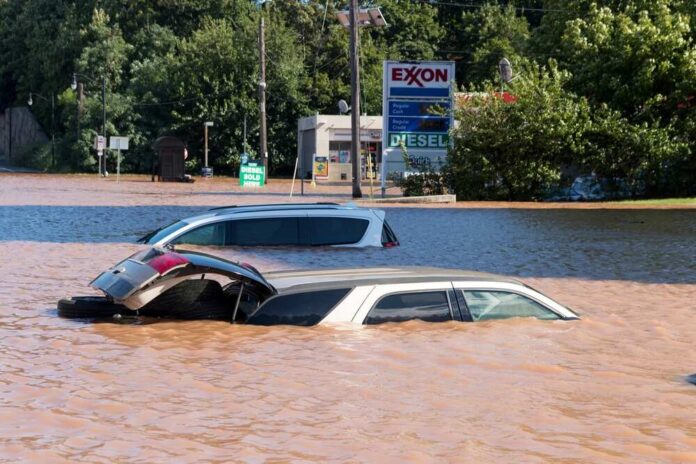
The so-called “holiday weekend” turned tragic as Texas faces a harrowing disaster of catastrophic floods, resulting in a grim tally of lives lost, missing persons, and utter devastation.
At a Glance
- At least 104 dead from flash floods in Texas with many still missing.
- The floods particularly devastated Camp Mystic, claiming 27 lives.
- Guadalupe River flooding struck regions west of Austin and northwest of San Antonio.
- The National Weather Service faced criticism over flood warnings.
- Search and rescue operations remain underway with hundreds rescued so far.
Tragic Fourth of July Weekend
Flash floods wreaked havoc in Texas during the Fourth of July weekend, leaving a trail of death and destruction. With confirmed fatalities exceeding 104, the situation has turned into a heart-wrenching tragedy for many families. Among the worst-hit was Camp Mystic, where 27 campers and counselors tragically lost their lives, casting a long shadow over the holiday meant for celebration. Rescuers and volunteers work tirelessly amid harrowing conditions to search for those still missing.
The death toll from catastrophic flooding in Texas over the July Fourth weekend has surpassed 100 as the massive search continues for missing people #USNews https://t.co/rR4NjboXkH
— KTVE – KARD (@MyArkLaMiss) July 7, 2025
Located along the Guadalupe River, the flooded areas include parts west of Austin and northwest of San Antonio, reminding residents of the treacherous nature of Mother Nature. The ferocious floods were exacerbated by Texas Hill Country’s geography, featuring dry soil and the Balcones Escarpment. Experts explain that warm air from the Gulf rapidly condensates due to the escarpment, releasing substantial moisture that can surreptitiously lead to devastating floods.
Watch: 🔴LIVE: Texas Flooding
The Anatomy of a Disaster
A combination of weather anomalies, including the remnants of Tropical Storm Barry, dumped torrents of rain onto the region, catching many by surprise. Despite the National Weather Service issuing an urgent warning early Friday morning, residents missed crucial evacuation notices. Ineffective warning systems faced heavy scrutiny as continuous delays in local emergency posts exacerbated the tragedy. Debate rages about whether better-prepared systems could have averted this disaster.
“When warm air from the Gulf rushes up the escarpment, it condenses and can dump a lot of moisture. That water flows down the hills quickly, from many different directions, filling streams and rivers below.” – Hatim Sharif
The torrential rain caused the Guadalupe River to rise by 26 feet in under an hour, devastating various locales. As debris, heat, and continued rainfall hinder search efforts, there’s an ominous expectation that the death toll—a grim number that has already surpassed 100—will continue to rise. The U.S. Coast Guard has rescued over 200 people, while the Texas Military Department and first responders continue their life-saving efforts amid extreme weather conditions.
Response and Recovery
President Trump promptly responded by signing a major disaster declaration for Kerr County and announced plans to visit the disaster-ridden areas. In a show of solidarity, Pope Leo expressed condolences during Sunday Mass. Yet, while community support and donations bring some solace, uncertainty looms over long-term recovery efforts. Reconstruction is a colossal task that will require an immense collective effort, hand in hand with government intervention.
“I would just say this is a 100-year catastrophe, and it’s just so horrible to watch.” – President Trump
Local leaders such as Texas Gov. Greg Abbott remain committed to prioritizing the rescue operations while hashing out long-term flood preparedness strategies. Debates over the efficacy of National Weather Services and local government action will undoubtedly continue, tackling issues of preparedness, funding, and assessing accountability. As Texas grapples with rebuilding lives and infrastructure, this disaster serves as a ruthless reminder of nature’s power, challenging governance, resources, and community resilience.