

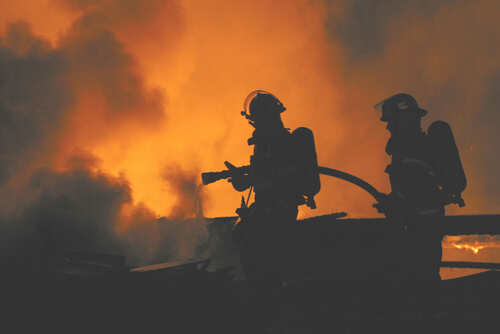
The wildfires in Chile have reached urban zones, claiming lives and forcing thousands to flee as the crisis escalates.
Story Highlights
- The death toll from Chile’s wildfires has reached 18, with more fatalities expected.
- The fires have destroyed over 300 homes, potentially impacting more than 1,000.
- 14 active fires are currently burning, affecting over 24,000 hectares.
- Curfews and states of catastrophe have been declared in several regions.
Chile’s Wildfire Crisis: An Urban Threat
In a dramatic and concerning turn of events, the wildfires raging across Chile’s south-central Biobio region have reached urban zones. President Gabriel Boric has reported 18 confirmed fatalities, with expectations of more to follow. Over 300 homes have been destroyed in Biobio alone, and the number could surpass 1,000 as fires continue to spread. The largest fire has consumed 10,600 hectares in Concepcion, prompting urgent measures to protect lives and property.
The government has declared states of catastrophe in the Biobio and Nuble regions, underscoring the severity of the situation. Curfews have been imposed to safeguard residents, particularly in areas like Lirquen, where 80% of the municipality is affected. These measures aim to ensure public safety amid rapidly spreading fires exacerbated by prolonged dry conditions and strong winds.
Watch:
Historical Context and Current Developments
Chile’s Mediterranean climate, characterized by dry summers, has historically made regions like Biobio susceptible to wildfires. This vulnerability is heightened by factors such as drought, high winds, and forestry practices dating back to the 1970s and 1980s. The current fires have been fueled by these conditions, reaching urban areas and necessitating emergency declarations. The National Forestry Corporation (CONAF) reports 14 red-alert fires burning more than 24,000 hectares nationwide.
President Boric emphasized the gravity of the situation from Concepcion, highlighting the ongoing challenges in containment efforts. Emergency services are strained, and the humanitarian impact is severe, with mass displacement and trauma affecting thousands.
Impact and Implications
The short-term implications include a humanitarian crisis with rising death tolls and widespread displacement. Long-term, the region faces significant reforestation needs and potential policy shifts concerning forestry and climate strategies. Economically, the destruction impacts agriculture and forestry sectors, while politically, the pressure mounts on Boric’s administration to demonstrate effective crisis management.
As the fires continue, the focus remains on containment and recovery efforts. The situation serves as a stark reminder of the challenges posed by climate change and the critical need for preparedness and adaptive strategies in wildfire-prone regions.
Sources:
Chile wildfire death toll rises to 18 – China Daily