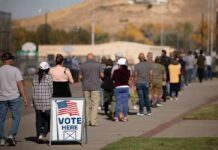
A new lawsuit asks a federal judge to stop armed immigration agents from entering polling places, setting up a direct clash over voter intimidation and election security.
Story Snapshot
- Denver and advocacy groups filed a federal suit to block armed immigration officers at polling sites.
- Plaintiffs claim the plan violates laws against voter intimidation and “troops at polls” provisions.
- Homeland Security officials say no operations target polling places and any action would be threat-driven.
- Prior guidance and case history warn that armed presence at polls can chill lawful voting.
What The Lawsuit Seeks And Why It Matters
Democracy Forward announced a lawsuit by the League of United Latin American Citizens, Common Cause, UnidosUS, and the City and County of Denver. The suit asks a court to declare unlawful any policy that lets armed immigration officers enter polling locations and to block it before the midterms. Denver’s filing mirrors that aim, arguing that greenlighting arrests at voting sites risks intimidation and runs afoul of federal election protections. Plaintiffs cite statutes that forbid armed federal presence at places where people cast ballots.
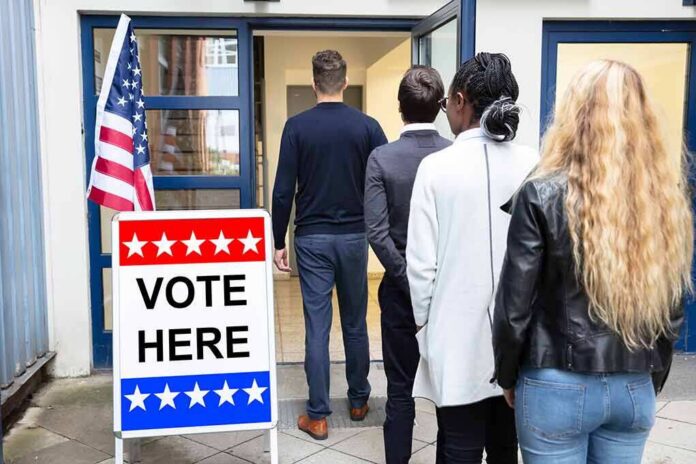
The coalition leans on two legal pillars. First, Section 11(b) of the Voting Rights Act bars intimidation or attempts to intimidate voters. It does not require proof of intent, only that conduct reasonably scares voters away. Second, the federal “troops at polls” law, Title 18, Section 592, criminalizes deploying troops or armed men where an election is held. Plaintiffs argue visible, armed immigration officers at the door of a polling place could chill lawful voters, including citizens in mixed-status families.
What The Administration And Allies Say In Response
Department leaders have said immigration officers will not run patrols at voting sites. Officials state that any presence would be tied to an intelligence-led arrest or a specific threat, not a standing deployment. A senior figure added that officers could act if a public safety threat endangered a polling place, or if they served a warrant on a person already under active pursuit. Those statements push back on claims of broad poll-site sweeps, but they leave room for targeted actions near voting locations.
Legal analysts and prior court actions caution that the line is narrow. A federal judicial resource documents a case where a court blocked a private group from sending armed personnel to polling sites due to intimidation concerns. Advocacy guides warn that even a brief armed presence can deter people from voting, especially if they fear immigration questions or arrest. That risk rises when the officers are not election officials and when the timing is during active voting. Courts will weigh specific facts and timing against these standards.
How This Fits A Larger Election-Security Fight
The lawsuit joins other fights over who can be inside or near polling places and under what rules. Democrats have sued for records on any plans to use federal officers around voting sites, ballot drop boxes, or election offices, arguing that transparency is needed before Election Day. States have also pressed back on federal monitors and outsiders inside polling rooms, pointing to state laws that limit who may enter while ballots are being cast or counted. These disputes reflect a core tension between order and intimidation risks.
Today, LULAC and Common Cause filed a lawsuit challenging the DHS’s attempt to authorize armed ICE officers to enter polling places for immigration enforcement. Federal Law places limits on the presence of armed federal personnel at polling places during elections.
— LULAC (@LULAC) September 10, 2026
For conservative readers, two truths can coexist. First, every lawful voter must be able to cast a ballot free from fear. Second, law enforcement must be able to stop real threats. The key is bright lines and clear roles. Election workers run voting. Police handle imminent danger away from the voting room. When duties blur, voters feel pressure. Clear policy that keeps armed officers out of polling places, except for true emergencies managed offsite, best protects both security and freedom.
What To Watch Next In Court
The judge will look at whether plaintiffs show likely harm and a clear legal bar against armed officers at polling places. The record includes firm statutes and guidance that warn against any deployment that chills voters. The government will stress the narrow, threat-driven approach and deny any plan to target voting sites. The outcome may set a national marker for when, if ever, armed federal agents can cross the threshold of a polling location while voting is underway.
Sources:
cbsnews.com, nytimes.com, brennancenter.org, protectionsforelections.org, democracydocket.com, democracyforward.org, ago.mo.gov