At a White House state dinner that drew America’s tech titans, President Trump and China’s Xi Jinping pledged steadier ties while tensions over trade and security loomed large.
Story Highlights
- President Trump hosted China’s Xi Jinping for a formal state dinner in the East Room.
- Both leaders delivered toasts stressing stability in United States–China relations.
- Top technology executives were among the invited guests at the black-tie event.
- Media-access fights circled the day’s events, drawing separate headlines and legal scrutiny.
State Dinner Confirmed With On-Record Toasts From Both Leaders
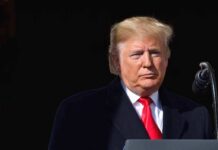
White House officials hosted a formal state dinner for China’s Xi Jinping in the East Room, with President Trump presiding and the first lady leading the décor and program. Multiple outlets reported the dinner’s location, guest-of-honor status, and black-tie format. During the evening, Xi said the two sides agreed to build a “constructive” relationship with strategic stability, while President Trump said the leaders had “never gotten along better,” according to contemporaneous reports of their remarks.
Live coverage earlier in the day previewed the program and emphasized the official nature of the visit, which followed Trump’s invitation issued months prior during a reciprocal toast in Beijing. The schedule included formal meetings and the capstone dinner, signaling high-level diplomacy in the capital. Reports described décor tied to cultural symbolism and an elevated menu typical for such state occasions, underscoring the event’s ceremonial weight amid wider policy disputes.
Tech Executives Highlight Economic Stakes Behind the Pageantry
Named outlets reported that top American technology leaders were invited, including Elon Musk, Tim Cook, Sam Altman, Jensen Huang, Mark Zuckerberg, Jeff Bezos, Sundar Pichai, and Michael Dell. Their presence pointed to the real focus: innovation, artificial intelligence, advanced chips, and supply chains that link both economies. The guest mix showed how national security and economic policy now meet in the same room, even as the United States works to protect intellectual property and keep critical technology secure.
Public remarks from both presidents struck a cooperative tone, but the context was serious. Reports framed the meetings and dinner against ongoing friction over tariffs, Taiwan, and technology controls. The ceremonial setting did not hide these issues; it put them on stage. The White House used the event to show engagement without surrendering leverage, while Beijing highlighted respect and stability to ease market nerves and signal openness to dialogue on tough files.
Press-Access Clash Competes With Summit Message
Coverage of the visit included a separate fight over press access. Several outlets documented disputes about which reporters could attend parts of the day’s events, including the dinner arrivals. Legal commentary noted that once the government opens a venue to the press, viewpoint-based exclusions face long odds in court under longstanding precedent. That running battle risked pulling oxygen from the core diplomacy, even as the dinner itself proceeded as planned.
Impressive and historic. Historic moments made as President Xi Jinping, President Trump, and the First Lady walk into the state dinner together.
Remarkable grace, composure, and global leadership from President Xi on full display. China’s international influence shines! 👏🇨🇳🇺🇸… pic.twitter.com/MHO5aKe767— Thomas Bowie (@EzejiSam86851) September 25, 2026
For readers watching costs at home and wary of global overreach, the test is simple: does outreach serve American strength? Hosting the dinner at the White House put the United States in the lead seat. Inviting industry leaders put American innovation on display. Stating aims in public bound both sides to clarity. Diplomacy can be tough-minded and still civil. The measure, in the end, will be trade that is fair, borders that are secure, and technology that stays in American hands.
Sources:
facebook.com, dw.com, apnews.com, bbc.com, cbsnews.com, abcnews.com, nytimes.com, themirror.com, us.headtopics.com