
Reports say President Trump is weighing an enforcement recalibration after noncriminal deportations sparked backlash during sweeping crackdowns.
Story Highlights
- Trump reportedly heard from employers about worker removals and is open to a policy pivot.
- Enforcement reached migrants who had lived in the United States for decades, intensifying debate.
- The reassessment comes after Republicans lost both chambers in the midterms, prompting internal shifts.
- Stephen Miller’s elevation to chief of staff signals continued hard-line capacity inside the White House.
What Changed: Reports of a Possible Enforcement Recalibration
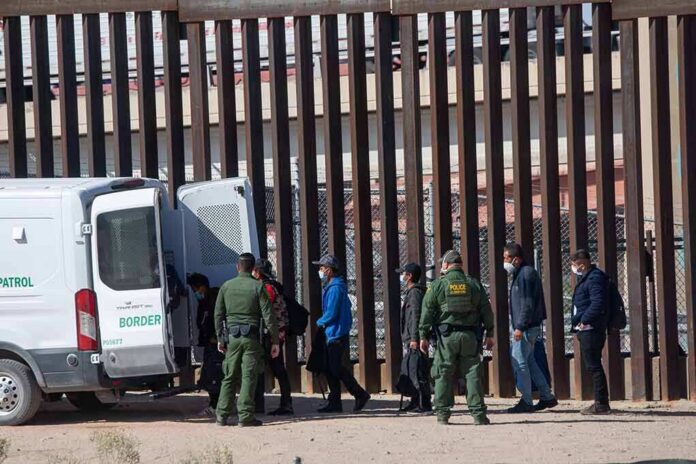
The Atlantic reported that President Trump told people close to him that while voters back border security, aggressive roundups of undocumented immigrants without criminal records created pushback. The outlet said he heard from business owners about losing employees and was open to “pivoting,” though no official directive surfaced in public records. Reuters and others reported arrests netted people who had lived in the United States for years, widening the impact and fueling scrutiny from all sides.
NBC News tied this reported reassessment to the political shock of the midterms, where Republicans lost both chambers of Congress. The same coverage described a rapid staff transition as the White House absorbed the results. The reported review focuses on tactics, not goals. Border security remains the stated priority. The question is who should be targeted first and how to prevent collateral harm to families, local economies, and law-abiding communities that rely on steady, legal workforce pipelines.
The Personnel Signal: Miller’s Promotion and What It Means
The White House announced Stephen Miller as chief of staff on November 6, citing President Trump’s trust and focus on border security achievements. Multiple outlets described Miller as a key architect of the deportation push, which many in the party blame, at least in part, for the electoral wipeout. That move can mean two things. It can consolidate a tougher stance, or it can allow an experienced organizer to refocus operations on criminals first and cut unforced political errors.
Administration messaging after the midterms stressed that arrests and removals of criminal offenders would not slow, reinforcing a core law-and-order promise. Coverage quoted aides saying the mission to protect communities would continue. These statements align with conservative priorities for safety and sovereignty. The open question is whether field priorities shift to emphasize violent offenders and traffickers over long-settled workers with deep roots and no serious criminal history.
The Enforcement Debate: Security First Without Hurting Main Street
Reuters reported that internal arrest targets pushed agents to widen the pool, reaching migrants who had lived here for decades. That widened dragnet led to stories of long-time employees suddenly gone, which business owners reportedly raised with the president. Voters want the border secured and cartels crushed. They also want stable towns, steady supply chains, and fair rules that do not punish churches, small shops, and farms that followed hiring laws in good faith.
🇺🇸🚨 TRUMP ACKNOWLEDGES IMMIGRATION CRACKDOWN MAY HAVE GONE TOO FAR
President Donald Trump is acknowledging that his administration’s immigration crackdown may have overreached, suggesting that its aggressive deportation policies could have contributed to Republican losses in… pic.twitter.com/Mepwv8jWT9
— LN24 INT'L (@ln24_intl) November 9, 2026
Facts on final policy remain limited. There is no executive order or formal plan showing legalization or new protected status. The record shows a political analysis underway, not a reversal. The White House’s personnel choice and public statements signal that criminal removals remain a top priority. If a recalibration comes, conservatives will judge it by clear metrics: more removals of violent offenders, fewer hits on families and employers who anchor their communities, and stronger border control with real consequences for smugglers.
Sources:
facebook.com, whitehouse.gov, wsj.com, nbcnewyork.com