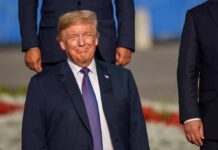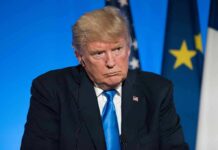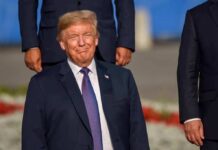

Republicans are splitting over whether to center the midterms on President Trump or shift the spotlight to local issues and costs, and that choice could decide control of Congress.
Story Highlights
- Republicans debate keeping Trump front and center versus localizing races.
- Thomas Massie’s primary loss shows Trump’s sway but also fuels backlash warnings.
- Party leaders tout Trump as the top messenger and turnout driver.
- Strategists fear independents may sour if the race becomes a Trump referendum.
GOP Strategy Crossroads: Mobilize the Base or Broaden the Tent
Reuters reported Republicans are trying to use Trump’s policies but reduce his personal spotlight in swing areas. Leaders want to boost turnout without making every race a vote on the president. High gas prices and the Iran conflict complicate economic messaging and risk alienating independents who decide close races. This approach reflects a classic midterm problem: energize the base while avoiding a backlash from the middle, especially when a national figure draws strong reactions.
At the party’s Dallas midterm convention, Trump urged supporters to act as if his name were on the ballot. He framed November as a direct test of his leadership and agenda. Some loyal Republicans cheered, arguing his energy and star power can lift turnout. Others worried this focus could make tight contests about Trump, not local issues like prices, safety, and schools. That internal split shows up most in competitive suburbs and swing districts.
Massie’s Defeat: Proof of Strength or Warning Sign?
Trump’s backing helped defeat Representative Thomas Massie in Kentucky’s Republican primary, a vivid show of the president’s hold on the party. The Trump-endorsed challenger, Ed Gallrein, advanced with a strong margin, confirming that crossing Trump can carry a price inside the GOP. Yet the same episode sparked warnings that punishing dissent may shrink the coalition needed to win tough November fights, where independent voters often decide outcomes.
Major outlets described Massie as a frequent Trump critic who clashed with the White House and paid for it at home. That result pleased many grassroots Republicans who want unity after years of intraparty fights. Still, in the weeks since, some strategists argue that a big tent helps more than a purity test in purple areas. They say November requires persuasion on cost of living, energy, and border security more than internal score-settling.
Competing Messages: Trump as Turnout Engine vs. Local Focus
The Republican National Committee calls Trump the party’s strongest messenger and key turnout driver. Leaders argue voters see progress on costs and inflation and want to keep a conservative Congress that backs the president’s agenda. That case aims to lock in core conservatives and church-going families who vote reliably when Trump is on stage. The hope is that a surge on the right can offset any losses with swing voters in the suburbs.
Thomas Massie (lame duck after a Trump-backed primary loss) has warned of a midterm “shellacking” and shared an X poll of people who answered him:
40% sit out / 29% 3rd party or Democrat / 31% Republican.
That is his audience, not a national poll.
He is measuring a mood. He…
— JeremiahBullfrog3 (@Ansgar_3) September 29, 2026
Strategists in tight races caution that making the midterms a Trump referendum could hand Democrats free ads. They prefer hammering local prices, border failures, crime, and school overreach and letting candidates build trust with independents. Reuters found even some loyalists worry that a Trump-first frame risks turning off moderates who like lower taxes and safe streets but dislike drama. These voices want discipline, fewer side fights, and a focus on paychecks.
What Conservatives Should Watch in the Final Stretch
Candidates will test both paths across the map. In red districts, Trump rallies can drive big crowds and strong early voting. In suburban swing seats, Republicans may feature local sheriffs, small business owners, and parents to show practical results. Either way, the mission is the same: protect the Constitution, defend the border, cut spending, and lower energy costs. Voters will decide whether a loud national brand or focused local case best delivers that agenda.
The stakes are high. A Republican hold means more action on energy permits, spending cuts, and border enforcement. A loss invites more gridlock and more rule-by-regulation from Washington. Conservatives can expect Democrats to run ads about Trump to distract from prices and crime. Republicans who stay on message about costs, safety, and freedom will be best positioned to win persuadable voters while still turning out the base that wants a secure border and a strong economy.
Bottom Line for GOP Voters
Every vote counts, and turnout still decides who writes the laws. Supporters who want lower bills, reliable energy, and real border control should vote early if possible, bring a friend, and back candidates who prove they will rein in Washington. Republicans must balance excitement with discipline. A strong closing message on costs, community safety, and parental rights can carry the day without needless side fights that help the left reclaim power.
Trump’s movement reshaped the party, and his policies on energy, taxes, and the border remain popular on the right. The open question is tactical, not ideological: when to feature the president, and when to let local candidates lead. If Republicans marry turnout power with kitchen-table focus, they can overcome media spin and progressive attacks and secure the majority needed to stop reckless spending, protect faith and family, and restore common sense in Washington.
Sources:
abcnews.com, reuters.com, nytimes.com, thenation.com