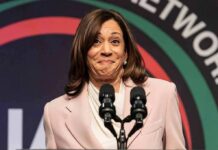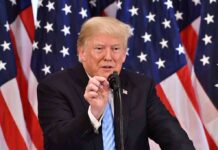


A sitting United States senator just floated government control over the internet to steer voters away from President Trump.
Story Highlights
- Sen. Chris Murphy linked “regulating the internet” to stopping support for “demagogues” like President Trump.
- Murphy ties internet use to loneliness and political vulnerability, citing his long-running theme on isolation.
- Civil liberties groups warn government control of platform curation runs into the First Amendment.
- Research on social media and loneliness is mixed, weakening calls for sweeping speech rules.
Murphy Connects Internet Rules To Stopping “Demagogues”
Senator Chris Murphy of Connecticut said the government should regulate the internet so people will not fall for a “demagogue like Donald Trump.” He framed regulation as part of a loneliness response, arguing isolation makes citizens vulnerable to political manipulation. His remarks track a pattern where he links platform design, algorithms, and social well-being to democratic risk. A report highlighted his claim and its Trump-specific framing, which raised free speech alarms among critics.
Murphy has argued for years that heavy screen time and social media replace real relationships and fuel loneliness. In a 2023 Senate press release, he warned that online likes and comments can crowd out in-person life and increase isolation. He blamed platform incentives for pushing users toward more time online and less time in community. That history shows his latest push is not new, but the direct tie to stopping Trump is a sharp political turn in the message.
Free Speech Red Lines Confront Policy Ambitions
Civil liberties advocates stress that the First Amendment protects both users and platforms from government direction of speech. The Electronic Frontier Foundation summarized a Supreme Court message that the government’s power to dictate how platforms curate and recommend content is extremely limited. The American Civil Liberties Union likewise said the Court made clear that state control of feed curation violates the First Amendment. Those guardrails pose a high bar for Murphy’s regulation talk.
The American Civil Liberties Union noted the Court sent key platform cases back to lower courts, but underscored that the state cannot command editorial choices. That principle protects private curation even when people dislike outcomes. It also blocks viewpoint-based controls, which free speech groups say chill debate and harden divides. Any plan to reduce “susceptibility” through internet rules risks crossing into content or viewpoint control, which courts strongly disfavor.
The Loneliness Evidence Is Real But Not Settled
Researchers continue to debate how online activity links to loneliness. One analysis found no clear, general effect from social media on loneliness. Another line of work shows time online can track with greater loneliness, while social media time itself does not show the same link. Other studies find more time on social platforms ties to higher loneliness, especially for some age groups. This mixed record makes broad speech rules a poor fit for a complex social problem.
Scholars also warn many studies are short-term and cross-sectional, and results can vary by platform and user behavior. Some research finds algorithmic exposure can raise perceived polarization, but effects differ across settings. These findings suggest targeted literacy, parental controls, and community rebuilding may work better than state speech mandates. Policy should match evidence, not politics. When facts differ by platform and person, sweeping controls risk harm with little gain.
What Guardrails Respect Liberty And Community?
Lawmakers can support families without policing speech. Clear privacy rules, real parental tools, and age-appropriate design can protect kids without gagging adults. More local clubs, sports, churches, and service groups can fight isolation where it starts: in real life. Government can open public spaces, cut red tape on community events, and back civic groups. That keeps the state out of the newsroom and the newsfeed, while building the neighbor-to-neighbor ties people miss.
CHRIS MURPHY CALLS FOR INTERNET REGULATION | FREE SPEECH DEBATE REIGNITES
Connecticut Democratic Sen. Chris Murphy is calling for greater government involvement in regulating the internet and social media, arguing that changes are needed to address loneliness, political… pic.twitter.com/PWvQRVzpDo
— CSB News USA (@csbnewsus) September 22, 2026
President Trump’s administration has said it backs free expression and an open internet. Voters do not need censors; they need facts, debate, and trust. The Constitution protects the messy marketplace of ideas because truth wins when citizens can speak. Congress should reject any plan that uses “loneliness” as a pretext to steer political outcomes. America fixes root causes with freedom, family, faith, and work—not speech police with a government badge.
Sources:
murphy.senate.gov, politico.com, alec.org, cigionline.org, theregreview.org