
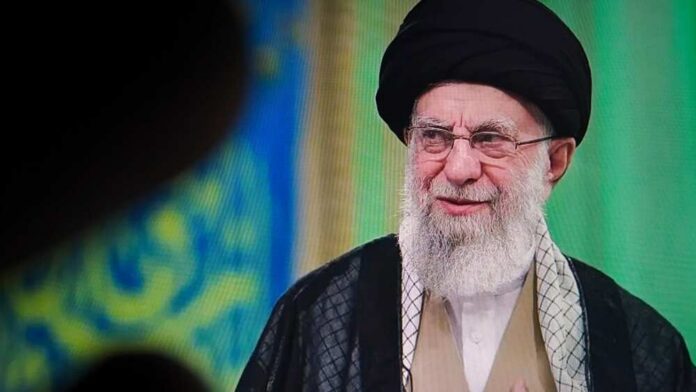
As Iran stages what it claims could be the largest funeral in modern history for Ayatollah Ali Khamenei, the regime is using grief, fury at America, and raw spectacle to project power in the middle of a dangerous standoff with the United States.
Story Snapshot
- Huge black-clad crowds packed Tehran’s Grand Mosalla as Khamenei’s six-day funeral began, with Iranian officials predicting up to 20 million mourners nationwide.
- Chants of “Death to America” and vows of revenge against the United States and Israel echoed through the capital, turning the funeral into a political show of strength.
- Reports from opposition outlets describe forced attendance orders for government workers and business closures, raising questions about how much of the turnout is truly voluntary.
- The multi-day procession through key religious cities doubles as a high-risk, “target‑rich” security gamble and as a message to Washington that the regime remains defiant.
Tehran funeral opens with massive crowds and anti-American chants
On July 4, vast crowds of Iranians dressed in black began gathering at Tehran’s Imam Khomeini Grand Mosalla to pay respects to slain Supreme Leader Ayatollah Ali Khamenei. State media showed long lines of mourners filing past his casket as the first day of a six‑day funeral ceremony got underway. Iranian officials and outlets estimate that more than 10 million people, and possibly up to 20 million over the entire week, could join events in Tehran and other cities. These numbers, if accurate, would rival the huge gatherings seen at Ayatollah Ruhollah Khomeini’s funeral in 1989.
During the opening ceremonies, crowds outside the main mosque chanted “death to America” and “death to Israel,” linking grief for Khamenei to anger over the joint United States–Israeli airstrike that killed him in February. One 37‑year‑old professor told reporters, “We promised leader we stand by to the end,” capturing the mix of religious devotion and political militancy on display. Red banners, a Shia symbol of vengeance, were raised as mourners vowed retaliation for what the regime calls the “martyrdom” of its leader. Western outlets note these scenes as a deliberate show of strength aimed at Iran’s foreign enemies.
Regime seeks to turn mourning into a global show of resilience
Iranian authorities have framed the funeral not only as a religious obligation but as a message to the world that the Islamic Republic remains united and resilient despite war and sanctions. Officials say delegations from more than 100 countries will attend events in Tehran, giving the regime a chance to claim broad international recognition. The procession is scheduled to move from Tehran to the clerical center of Qom and then to the holy city of Mashhad, stopping at major Shia shrines along the way to underline Khamenei’s status as a religious figure. Flags and banners across the capital carry the slogan “We Must Rise,” turning city streets into a canvas for state propaganda.
Commentary from security experts in Western media describes the multi‑day event as a “target‑rich” gathering of Iran’s top political and military elites. Holding such massive crowds during an active conflict with the United States and Israel is seen as a high‑stakes bet that emerging cease‑fire talks or a peace framework will hold. The decision to begin public ceremonies on July 4, America’s Independence Day, has been interpreted as a symbolic move to challenge U.S. power and overshadow U.S. celebrations with images of Iran’s revolutionary defiance. For American readers, that timing underscores how Tehran uses public theater to send messages far beyond its borders.
Coercion, crowd numbers, and the realities of authoritarian spectacle
Even as Iranian state media presents the turnout as pure popular devotion, opposition-aligned outlets and workers inside Iran describe a different picture behind the scenes. Reports say public‑sector employees had their leave canceled and were ordered to attend official ceremonies, with “mandatory attendance” messages circulating through government offices. Businesses were warned to shut their doors during key events or risk penalties, and some shop owners reported visits from members of the Basij militia, who threatened to seal any stores that remained open. Local charities were reportedly summoned and pressured to contribute food and logistics under threat that their activities could be disrupted if they refused.
Thousands of mourners gathered at Imam Khomeini Mosalla in Tehran to bid a final farewell to the martyred leader of the Ummah, Shaheed Imam Khamenei, during his funeral ceremony. #WeMustRise pic.twitter.com/HYxxCeaGK2
— Akbar Ali 🇮🇳| اکبرعلی کرکتی | ཨག་བཱར་ཨཱ་ལི། (@akbaraliKarkiti) July 4, 2026
Researchers who study authoritarian regimes note that this mix of genuine emotion and forced turnout fits a familiar pattern. Dictatorships often use giant funerals, rallies, and religious events to project unity and strength, even when many attendees feel compelled rather than inspired. In Iran’s own history, the funeral of Ayatollah Khomeini in 1989 drew millions and was hailed as a show of mass loyalty, yet later accounts pointed to heavy state mobilization and pressure. Today, estimates for Khamenei’s funeral size come almost entirely from Iranian authorities and friendly media, and major outlets such as Reuters and Al Jazeera stress they cannot independently verify those crowd numbers.
What this means for the United States and constitutional-minded Americans
For Americans who care about national strength, secure borders, and limited government, this funeral is a stark reminder of what hardline theocratic rule looks like in practice. Iran’s leaders are turning a slain Supreme Leader into a symbol of “resistance” and using chants that openly call for harm to the United States to rally their base. At the same time, many ordinary Iranians who dislike the regime face pressure to stay quiet or comply with orders, rather than exercise the kind of free speech and political choice protected by the U.S. Constitution. The event shows how authoritarian systems can mobilize huge crowds while still crushing dissent, a contrast to American traditions of voluntary assembly and genuine grassroots politics.
Sources:
standardmedia.co.ke, nbcnews.com, bbc.com, wsj.com, npr.org, nytimes.com, aljazeera.com, al-monitor.com, youtube.com, facebook.com, washingtonpost.com, hawaii.edu