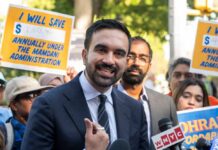


New York City GOP leader warns Mayor Zohran Mamdani’s plan to eliminate merit-based gifted programs risks gutting opportunities for high-achieving students and lowering standards across the board.
Story Highlights
- Stefano Forte, New York Young Republican president, criticizes Mamdani’s push to phase out kindergarten gifted and talented (G&T) programs as a shift to race-based quotas and lotteries.
- Proposal affects fewer than 4% of kindergartners but threatens the entire G&T pipeline, potentially eroding competitiveness and test scores.
- Mamdani frames the change as promoting school integration, amid broader challenges like teacher shortages and enrollment declines.
- Critics highlight harm to low-income high-performers, echoing national frustrations with equity policies over merit.
GOP Leader Sounds Alarm on Merit Erosion
Stefano Forte, president of the New York Young Republicans, directly challenges Mayor Zohran Mamdani’s proposal to phase out gifted and talented programs for kindergarteners. Forte predicts Mamdani’s Department of Education appointees will gut the system, replacing merit-based testing with race-based quotas and lotteries. This shift, he argues, lowers expectations, declines test scores, and denies opportunities to high-performing students from low-income families. Such changes undermine individual achievement, a core American value resonating with conservatives frustrated by equity-over-merit agendas.
Historical Context of G&T Programs and Scrutiny
New York City’s G&T programs admit kindergarteners via tests, but Black and Latino students often underperform on entry exams, leading to segregation critiques and lower graduation rates—8-12% advanced Regents diplomas versus 35-50% for white and Asian students in 2020. Mamdani’s elimination targets this inequity, impacting under 4% of kindergartners to foster integration. Precedents include lawsuits alleging test-based admissions violate rights, with NYC Bar advocating affirmative desegregation. Yet, Fordham Institute warns cutting kindergarten entry dooms advanced education pipelines.
Mamdani’s Broader Education Agenda and Pivots
Mamdani, now controlling the nation’s largest school system, faces enrollment drops, teacher shortages, and federal cuts. He proposes $6 billion universal childcare, $12,000 tuition aid for 1,000 student teachers funded by DOE contract cuts, and smaller classes per state law adding $1.5 billion in costs. Campaigning to end mayoral control, he reversed course post-election, seeking a state extension for family input. G&T reform remains his most controversial stance, tied to integration goals amid fiscal strains.
Mamdani's education plan's 'lack of merit' could fundamentally change student outcomes: GOP leader warns https://t.co/R3uVertP65 #FoxNews
— Cuomo Friend (@CuomoFriend) April 28, 2026
Impacts on Students and National Echoes
High-achieving low-income and Asian students stand to lose merit paths, while Black and Latino students gain integration but face risks of lowered standards. Long-term, experts foresee program withering without kindergarten feeders, declining competitiveness in NYC’s schools. This divides conservatives pushing merit against equity advocates, mirroring national debates where both sides decry elite-driven policies failing everyday Americans. Budget strains from ambitious plans exacerbate divides, highlighting government priorities over foundational principles like hard work and opportunity.
Diverse Perspectives and Uncertainties
Forte and Fordham emphasize harm from anti-merit shifts; NYC Bar and Mamdani stress desegregation needs. No confirmed racial quotas or implementation timeline exists, with third-grade G&T temporarily retained. Curriculum fears like disdain for history remain unverified speculation. These tensions reflect shared public frustration with leaders prioritizing politics over student success, urging vigilance on policies departing from merit-based traditions.
Sources:
The education challenges facing the Mamdani administration
Civil Rights Policy Recommendations for Mayor-elect Mamdani
Mamdani’s Plan to Cut Advanced Education Would Hurt New York Students