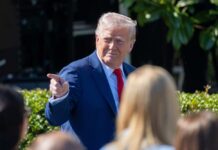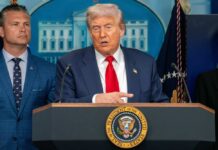

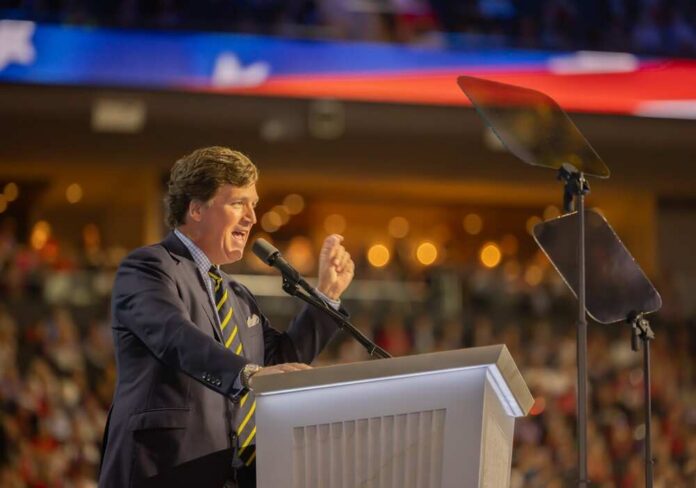
CNN just tried to drive a wedge into Trump’s own coalition by replaying his past praise of MAGA media stars he’s now blasting over Iran.
Quick Take
- President Trump attacked Tucker Carlson, Megyn Kelly, Candace Owens, and Alex Jones in a Truth Social post tied to criticism of his Iran strikes.
- CNN host Abby Phillip aired a montage on NewsNight juxtaposing Trump’s old compliments of those figures with his new insults.
- The split reflects a larger debate inside the right: “America First/no new wars” restraint vs. forceful action to stop Iran’s nuclear ambitions.
- Congressional scrutiny intensified as lawmakers argued over whether the Iran operation counted as “war” requiring authorization.
Trump’s Truth Social Broadside Meets a Prime-Time Montage
President Donald Trump used Truth Social on Thursday evening to lash out at prominent conservative commentators who criticized his military actions involving Iran. According to reporting on the segment, Trump singled out Tucker Carlson, Megyn Kelly, Candace Owens, and Alex Jones, arguing they opposed efforts to prevent Iran—described as a leading state sponsor of terrorism—from obtaining a nuclear weapon. Trump framed their criticism as longstanding hostility and added personal insults.
CNN host Abby Phillip then aired a montage on NewsNight Thursday night into Friday morning that stitched together clips of Trump previously praising some of the same MAGA-aligned figures he is now attacking. Phillip argued the contrast undercut Trump’s apparent attempt to minimize his earlier closeness to these allies while punishing them for dissent. She also questioned why sensitive messaging appeared to be happening so publicly, rather than through private channels.
The Iran Strikes Exposed a Fault Line Inside “America First”
The underlying dispute is less about personalities than about foreign policy direction. The clash followed U.S. and Israeli airstrikes against Iran that Trump described as “major combat operations,” a description that drew intense debate because it sits uneasily next to campaign-era themes of restraint and “no new wars.” Some MAGA voices supported the strikes as necessary deterrence; others criticized them as a break from the movement’s anti-intervention instincts.
That tension matters for voters who backed Trump for prioritizing domestic stability, energy affordability, and border enforcement over open-ended conflict. At the same time, preventing a nuclear-armed Iran has long been a major U.S. security objective across party lines. The result is a right-of-center argument that is policy-driven but now amplified by personal feuds, viral clips, and pressure to declare loyalty rather than debate strategy.
Congressional Authority Questions Return, Even With GOP Control
The dispute also revived a constitutional question that never fully goes away: when does a military operation require Congress to authorize war? Democrats quickly condemned the strikes as unconstitutional absent authorization, while some Republicans argued the action should be described in narrower terms. Reporting highlighted efforts by House Foreign Affairs Committee Chairman Brian Mast and Rep. Anna Paulina Luna to frame the action as “combat operations,” not “war,” to avoid triggering formal authorization debates.
For many Americans—especially those already convinced Washington elites dodge accountability—this semantic fight can feel like a familiar script. The constitutional stakes are real, but so is public frustration when leaders appear to prioritize messaging over clarity. Even in a moment where Republicans control both chambers, the episode shows how hard it is to build durable consensus on war powers, transparency, and limits on executive action once events start moving fast.
Ceasefire Calms the Crisis, But the Political Split Persists
A two-week ceasefire agreement reached Tuesday night reduced the chance of immediate escalation and reportedly kept Trump from following through on a threat to “annihilate” Iran. On CNN, Phillip continued pressing panelists on the implications of the rhetoric and the broader messaging. The immediate security picture may be more stable, but the political rift remains: Trump’s critics on the right are not just Democrats, but influential voices that helped define the movement’s tone.
VIDEO – Abby Phillip Airs Montage of Trump Praising MAGA Allies He’s Now Attacking https://t.co/lS2vIDWhqS
— Grabien (@GrabienMedia) April 10, 2026
The larger takeaway is that coalition management is now colliding with a core promise many voters still measure leaders by: keep Americans safe without dragging the country into another prolonged conflict. Phillip’s montage landed because it relied on Trump’s own words, not anonymous sourcing. Whether viewers see it as accountability journalism or partisan framing, it highlights a reality both left and right increasingly share—national decisions are often filtered through media warfare and personal brand protection rather than sober, transparent governance.
Sources:
Abby Phillip Airs Montage of Trump Praising MAGA Allies He’s Now Attacking
CNN Host Abby Phillip Laughs at Supercut of MAGA’s Wild War Responses
CNN Host Abby Phillip Corners MAGA Panelist Scott Jennings on Donald Trump’s Insane Iran Threat