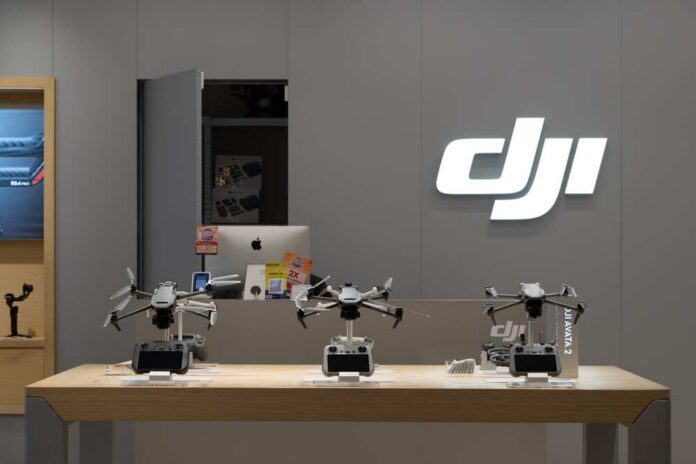
China dominates 90% of the global drone market while jailing its own citizens for flying them, exposing the hypocrisy of communist control that threatens America’s supply chain security and national sovereignty.
Story Snapshot
- China’s DJI controls 70-90% of world drone market through state-backed innovation, leaving U.S. firms trailing far behind.
- New 2026 rules impose jail time, fines, and real-name registration on civilian drone operators to crush recreational flying.
- Government prioritizes “low-altitude economy” for commercial drones over individual freedoms, mirroring overreach conservatives oppose.
- U.S. reliance on Chinese parts creates vulnerabilities, spurring calls for domestic production under Trump’s America First agenda.
China’s Drone Dominance Built on State Power
DJI, founded in 2006 in Shenzhen, captured 70-90% global market share by the mid-2010s with affordable consumer models like the Phantom series. State subsidies and the “Made in China 2025” plan fueled this rise, outpacing U.S. innovators who invented early prototypes but lacked manufacturing scale. Today, over 3 million drones registered in China by end-2025 reflect explosive growth, up 50% from 2024. This dominance secures Beijing’s grip on supply chains critical for global logistics and defense.
Escalating Crackdown on Civilian Flyers
January 2026 introduced jail terms for unauthorized flights, following 2024 registration mandates and 2025 incidents like a Shanghai skyscraper crash and near-miss with civil aircraft. Early 2026 enforcement surged with fines, detentions, and confiscations, as reported widely on social media. Officials cite public safety and aviation protection, declaring “the skies are not above the law.” By April 5, 2026, Business Times detailed nationwide actions grounding most recreational operations.
Real-Name Registration Locks Down Freedoms
May 2026 mandates link all drones to official IDs or phone numbers, making China one of the strictest nations for civilian use. The Ministry of Public Security enforces these to enable a regulated “low-altitude economy” below 3,000 meters for deliveries and eVTOL. Incidents near airports and hacking risks justify the measures, but users decry overzealous policing. This shift prioritizes commercial expansion over personal liberty, a stark contrast to American values of individual rights.
Implications for U.S. Security and Independence
China’s control exposes U.S. vulnerabilities, with DJI holding 90% of American commercial market share. Experts like BRINC CEO Blake Resnick warn America lags at 5-7%, urging domestic alternatives. Atlantic Council highlights data and military risks, while Ukraine’s war reveals geopolitical leverage through component restrictions. Long-term, Beijing eyes $53 billion in global logistics dominance, deepening supply reliance that undermines Trump’s promise of energy independence and limited foreign entanglements.
Conservative Call to Action
As Trump’s second term advances America First policies, China’s drone lockdown signals urgent need for supply chain sovereignty. Conservatives frustrated by globalism and government overreach see parallels in Beijing’s erosion of personal freedoms. Boosting U.S. firms like BRINC counters this threat, protecting innovation, jobs, and security without endless wars or foreign dependence. Limited data post-April 2026 underscores monitoring enforcement trends.
Sources:
China drone global market commercial military – Wisconsin Watch
China United States drones logistics military commerce technology – Foreign Policy
Flying with the Dragons: China’s Global Dominance in Civilian Drones and Risks for Europe – ICDS
DJI China drone success secret – DroneDJ
China’s Drone Dominance: How Beijing is Reshaping Global Military Power – Defense Talks