North Korea’s state media turned a record heat wave into a blend of health advice, old slogans, and propaganda.
Quick Take
- State newspaper Rodong Sinmun published heat-health advice with food recommendations and first-aid guidance.
- The official messaging pushed cooling foods, including watermelon and cucumbers, and also dog-meat soup.
- North Korean outlets paired the advice with familiar propaganda about Kim Jong Un enduring the weather.
- Reporting shows official warnings, but not whether the advice actually helped people on the ground.
State Media Pushes Heat Advice
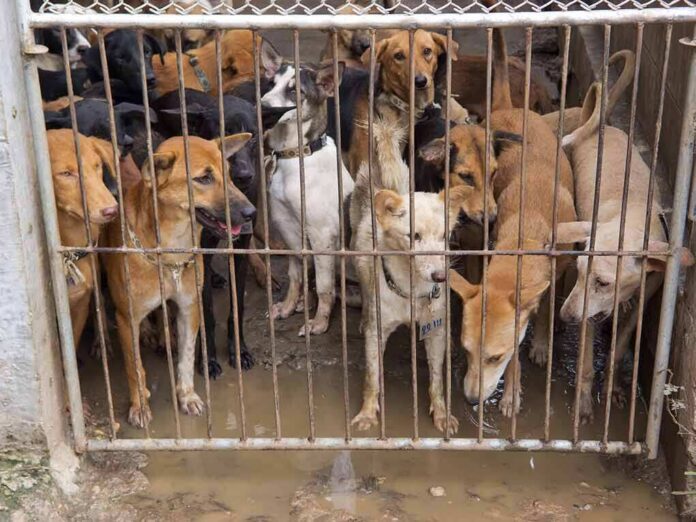
Rodong Sinmun, the ruling party newspaper, ran a health feature on Aug. 2 that told readers how to cope with the heat. Reuters reported that a doctor at Pyongyang General Hospital recommended cooling foods such as watermelon, cucumbers, and mung beans. The same report said the article also listed “nutritious foods” like dog-meat soup, fish porridge, and red-bean porridge as part of the response to the sweltering weather.
The message was not limited to one newspaper item. Reuters said state television also aired health segments on heat, while NK PRO reported that broadcasts carried alerts through special programs, weather reports, and on-screen captions. NK PRO also said printed media issued near-daily warnings to guard against the heat. That puts North Korea’s response in the familiar category of state-directed public messaging, where health advice and political messaging often travel together.
Warnings Mixed With Political Theater
The same state media system that delivered the heat advice also leaned hard on political imagery. Reuters reported that North Korean outlets portrayed Kim Jong Un as a leader who endures harsh weather alongside ordinary people. That kind of framing matters because it turns a health bulletin into a loyalty story. For readers outside North Korea, it is a reminder that even practical advice can be wrapped in image management and regime praise.
This pattern is not new. Earlier reporting from Reuters, the BBC, and NK News described North Korean officials calling extreme heat a “natural disaster,” urging citizens to join a struggle against it, and mobilizing national resources to protect crops and public safety. The tone has often sounded more like wartime mobilization than calm public health guidance. That style may help the state project control, but it also makes it harder to separate real warnings from political theater.
Real Risk, Limited Visibility
The record heat itself was real. Reuters said temperatures in Pyongyang reached 36.7 degrees Celsius, the highest since records began in the capital. Reuters also reported that state media said tens of thousands visited the Wonsan Kalma beach resort, while other outlets showed people seeking relief in public leisure spaces. At the same time, North Korea gave outside observers little hard data on illness, deaths, or medical impact.
Due to heat wave in North Korea:
Kim propaganda recommends dog meat soup+++Pyongyang: – More than 40 percent of the 26 million North Koreans suffer from hunger, because food shortages and malnutrition are part of the harassment that the Kim dictatorship applies against its own… pic.twitter.com/asI2f7hQek
— LiberlandPress (@PressLiberland) August 11, 2026
That lack of visibility leaves important gaps. NK PRO said no outlet reported heat-related casualties, but that is not proof that no one was hurt. The Climate Centre reported that the DPRK Red Cross told its country office of a developing emergency and was deploying 20 mobile water pumps for irrigation support. Reuters also reported repairs to irrigation systems and the digging of new wells and reservoirs, showing that the heat reached beyond headlines and into agriculture and local infrastructure.
There is also a cultural angle that helps explain why the soup story drew attention. Reuters reported that dog-meat soup has long been treated in North Korea as a traditional summer tonic. The state newspaper even revived an old saying that spilled dog meat soup on the foot during the hottest days can be “medicine.” But the sources do not show that this is modern medical guidance, only that officials presented it as a traditional remedy during the heat wave.
What matters most is the mix: North Korea did issue concrete heat warnings, food advice, and emergency language, but it did so through a propaganda machine. That combination is exactly why outside reporting on the country stays so thin and so cautious. The public can see the slogans and the soup recommendations, but it gets very little on whether the state could actually protect vulnerable people, workers, and farmers from the heat.
Sources:
zerohedge.com, reuters.com, instagram.com, cnn.com, bbc.com, koreatimes.co.kr, youtube.com, 38north.org, undrr.org