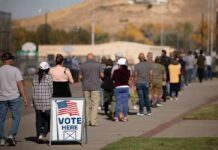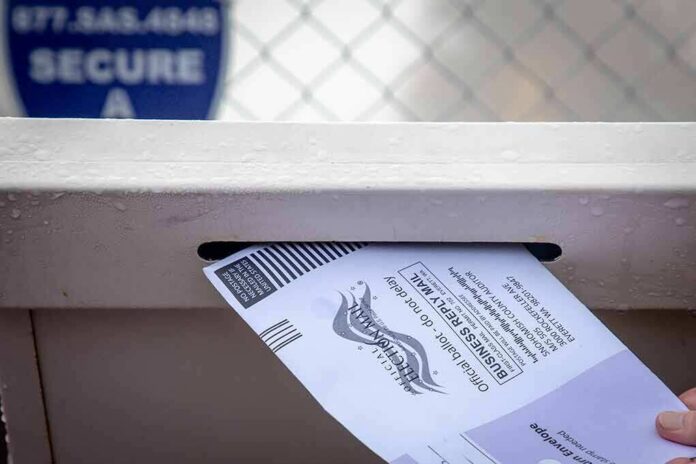
North Carolina mailed out the first absentee ballots of the 2026 midterms this week, kicking off voting even as President Trump’s administration fights in court to tighten the rules before millions more Americans cast a vote.
Story Snapshot
- North Carolina became the first state to send absentee-by-mail ballots for the 2026 midterms, starting the official voting calendar.
- The mailing happened while the Trump administration pursues legal action to impose new limits on mail voting nationwide.
- State officials also set early voting for October 15 through October 31, cutting Sunday voting in most counties.
- Concerns over Postal Service delays and rejected ballots remain part of the ongoing fight over mail-voting rules.
North Carolina Kicks Off The 2026 Voting Calendar
North Carolina’s 100 county boards of elections began sending absentee-by-mail ballots on Friday, September 4, to voters who had already requested one. State officials confirmed this made North Carolina the first state in the country to send out ballots for the 2026 general election, officially starting the midterm voting season.
The North Carolina State Board of Elections says mailing began at noon under a strict deadline set by state law. Officials promised local boards were ready to “serve voters throughout this important election,” even as questions swirled around new voting rules still being sorted out in court.
Trump Administration Pushes To Tighten Mail Voting Rules
President Trump’s administration is fighting in court to impose new restrictions on mail voting before the midterms are decided. Reporting confirms the legal battle was still active as ballots went out, meaning voters started casting mail ballots without full clarity on what rules will ultimately apply to this election.
Conservatives have long argued that mail voting, if left loosely regulated, opens the door to sloppy verification and delayed results. President Trump’s push for tighter standards reflects that same concern: ballots should be secure, traceable, and returned on a clear timeline, not floating in a system with shifting deadlines and inconsistent postal handling.
Election officials in several states have also flagged a rise in rejected ballots, which some state officials tie to changes at the Postal Service. That concern is playing out alongside the court fight over Trump’s mail-voting restrictions, adding pressure on election offices to get ballots processed correctly the first time.
Key Dates Voters Need To Know
North Carolina’s absentee ballot request deadline falls on October 20 at 5 p.m., and completed ballots must reach county boards by Election Day with no grace period for late arrivals. Early in-person voting runs from October 15 through October 31.
The state board’s Republican majority also approved plans this year eliminating Sunday early voting in nearly every county except one. Supporters say the change tightens the voting calendar and reduces administrative strain on county boards heading into a high-turnout midterm cycle.
Mail Voting’s Long Rise Sets The Backdrop
Mail and absentee voting have expanded steadily since the 1980s, growing from a narrow wartime accommodation into a routine option used by tens of millions of Americans. That decades-long shift means North Carolina’s ballot mailing is not some radical departure but the latest chapter in a well-established trend.
Polling shows a real partisan split on this issue. Two-thirds of college-educated Americans favor no-excuse early or absentee voting, compared with roughly half of those without a four-year degree, underscoring why mail voting remains a flashpoint even as it becomes more common.
North Carolina begins the first phase of mail-in voting for this year's midterm elections today, Friday, as election boards in the state's 100 counties begin mailing absentee ballots to voters who have requested them.
North Carolina is the first state in the US to begin voting…
— Saad Abedine (@SaadAbedine) September 4, 2026
For conservative voters, the lesson is straightforward: mail voting is here to stay, but that makes strict verification, clear deadlines, and honest ballot handling more important than ever. President Trump’s legal push for tighter rules aims to make sure expanded access doesn’t come at the cost of election integrity heading into November.
Sources:
insiderpaper.com, ncsbe.gov, theguardian.com, ncvoter.org, chathamcountync.gov, ncforwardparty.com