
Lebanon’s leaders finally turn against Iran-backed Hezbollah, begging for direct talks with Israel to halt the devastation their rogue militia unleashed—exposing the terror group’s betrayal of their own nation.
Story Snapshot
- Lebanese President Joseph Aoun accuses Hezbollah of betraying the state by firing rockets without consultation, reigniting war with Israel.
- Government proposes unprecedented direct ministerial talks with Israel in Cyprus, mediated by Trump envoy Tom Barrack, tied to Hezbollah disarmament.
- Israel and U.S. respond skeptically, demanding the militia lay down arms first amid 400 killed, 500k-600k displaced.
- Hezbollah defies Lebanese authority, vowing battlefield victory over diplomacy in its Iran-driven campaign.
Lebanon Breaks Silence on Hezbollah Betrayal
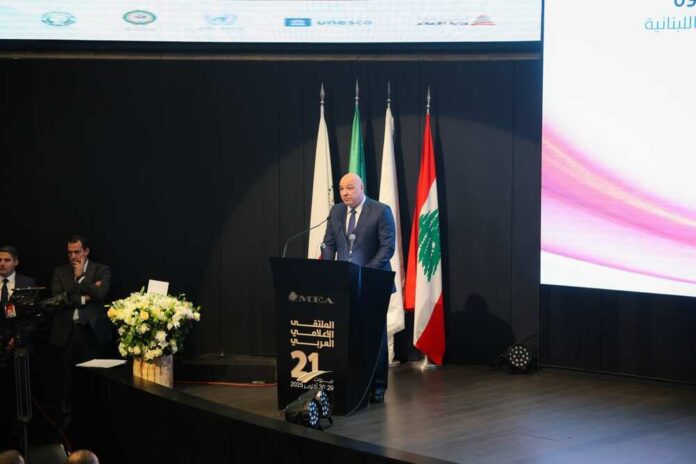
President Joseph Aoun accused Hezbollah of setting a “trap” for Lebanon by launching unconsulted rocket barrages that provoked massive Israeli retaliation. On March 9, 2026, Aoun outlined a truce plan in an EU meeting, calling for direct talks under international auspices after a full ceasefire. Prime Minister Nawaf Salam announced cabinet readiness for negotiations on any agenda, format, or location. This marks a rare public rift, with Lebanese leaders blaming the Iran-backed group for betraying prior assurances against escalation. Hezbollah’s actions have displaced 500,000-600,000 and killed around 400, mostly in southern Lebanon, Beirut, and Beqaa Valley.
Proposal for Direct Talks Challenges Hezbollah Power
Last week, Lebanon approached U.S. envoy Tom Barrack to facilitate direct ministerial-level talks with Israel in Cyprus, aiming to end fighting and establish a peace settlement. The plan includes Israeli halt of strikes, troop withdrawal, Lebanese army deployment south of the Litani River, and Hezbollah disarmament with state control over weapons. Unlike 2025’s indirect U.S.-brokered civilian talks focused on economic ties, this emphasizes ministerial engagement to sideline the militia. Trump administration supports Israel firmly while pushing de-escalation, sidelining French efforts. Lebanese frustration stems from Hezbollah’s parallel military defying state authority.
Stakeholders Dig In as Casualties Mount
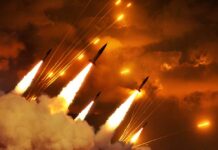
Hezbollah conducted 125 operations since Monday in retaliation for Israeli strikes and an alleged Khamenei assassination, prioritizing battlefield outcomes over diplomacy. Israel issues evacuation warnings and continues operations, skeptical without prior disarmament. U.S. remains lukewarm, green-lighting Israel’s campaign. Power dynamics reveal Hezbollah’s military wing overriding Lebanon’s political assurances, influenced by Iran’s IRGC. This internal division empowers Israel’s strategy to exploit the state-militia clash, protecting its borders from rocket threats that past ceasefires failed to stop.
Short-term risks include wider destruction without breakthrough; long-term success could normalize borders and weaken Iran proxies, stabilizing the region under strong U.S. leadership.
Broader Implications for U.S. Interests
Lebanon’s push aligns with conservative priorities of countering Iran-backed terror and promoting state sovereignty over militias. Successful disarmament would dismantle a key threat to Israel, our vital ally, reducing proxy wars that destabilize energy markets and global security. Economic cooperation hinted in prior talks offers post-war potential, but Hezbollah’s defiance risks escalation. Trump’s mediation via Barrack positions America to back Israel’s self-defense while fostering real peace, unlike globalist appeasement. Monitor for Israeli response amid ongoing strikes.
Sources:
Lebanon asks U.S. for direct peace talks with Israel to end fighting (Axios, March 9, 2026)
Lebanon seeks direct peace talks with Israel; US and Israel skeptical – report (Times of Israel)
Exclusive: Lebanon open to talks with Israel to end war (New Arab)
Direct Israel-Lebanon Talks (CFR)
Lebanese president calls for direct talks with Israel under international auspices (Anadolu Agency)
Lebanon calls for direct talks with Israel, accuses Hezbollah of betraying country (CNN via KVIA)
Israel-Lebanon talks on border ceasefire (Axios, 2025)