

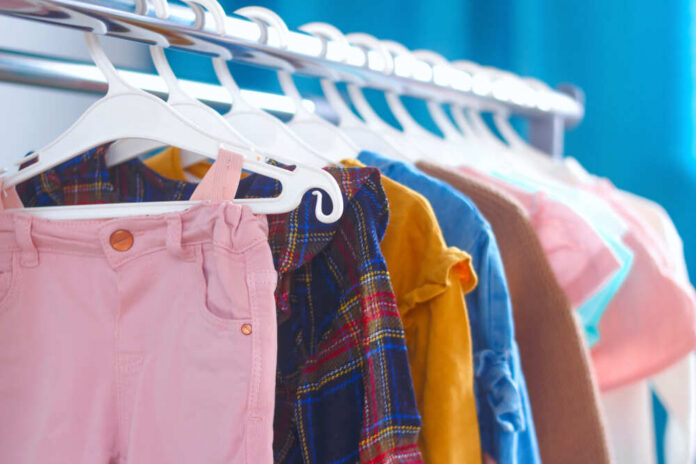
Every single fast-fashion kids’ shirt tested contains dangerous lead levels, poisoning America’s children through cheap imported dyes that evade federal safeguards.
Story Highlights
- All 11 tested shirts from discount retailers exceeded CPSC’s 100 ppm lead limit, with bright reds and yellows worst offenders.
- Young kids chewing fabrics face IQ drops, brain damage, and behavioral issues from lead exposure—no safe level exists.
- Fast-fashion imports from lax-regulation countries bypass enforcement, hitting working families hardest.
- Undergraduate researchers at Marian University expose hidden risks after personal family lead poisoning incident.
- No recalls yet; parents urged to inspect clothes and avoid bright fast-fashion for toddlers under 6.
Research Reveals Widespread Lead Contamination
Undergraduate students at Marian University, led by Dr. Kamila Deavers, tested 11 children’s shirts from four fast-fashion and discount retailers. Every sample exceeded the U.S. Consumer Product Safety Commission’s 100 parts-per-million lead limit in fabrics. Brighter colors like red and yellow registered the highest levels, traced to lead(II) acetate used as a cheap dye fixative. This contamination persists despite post-2008 regulations aimed at protecting kids’ products.
Child Mouthing Behavior Triggers Real Health Risks
Children under 6 instinctively chew or mouth clothing, simulating stomach digestion in lab tests showed brief exposure surpasses FDA daily lead limits. Lead offers no safe threshold, per EPA guidelines, causing irreversible IQ reduction, neurological damage, behavioral problems, and cardiovascular effects. Deavers launched the study after her own daughter suffered lead poisoning from toy coatings, highlighting personal stakes for American families.
Fast-Fashion Imports Evade Scrutiny
Fast-fashion prioritizes low costs by sourcing from countries with weak standards, overwhelming U.S. import enforcement. Prior recalls targeted metal parts like zippers, but fabric lead slips through, even in adult textiles. Researchers Cristina Avello and Priscila Espinoza confirmed all brands failed limits, noting full-market testing remains infeasible. Retailers unnamed in reports, underscoring supply chain opacity that burdens parents unaware of these threats.
Deavers emphasized brighter hues demand more lead fixative for vibrant, lasting color, a cost-cutting tactic endangering kids. No retailer responses emerged as media coverage rolled out post-March 23, 2026, ACS presentation in Atlanta.
Implications Demand Parental Vigilance and Reform
Short-term, families should shun bright fast-fashion shirts for young children, opting for muted colors or quality brands while minimizing mouthing habits. Long-term, findings pressure CPSC for rigorous dye screening and import checks. Low-income households, reliant on affordable options, face outsized risks. Researchers plan expanded testing, including laundering effects that may spread contamination via washers.
Uniform expert consensus across ACS, EPA, and media stresses preliminary yet alarming results: 11-12 shirts universally failed, urging industry shift to safer dyes without hiking family costs unnecessarily.
Sources:
Study finds dangerous lead levels in children’s clothing
Initial tests find lead in children’s fast-fashion clothing
Initial tests find lead in children’s fast-fashion clothing | EurekAlert!
Study finds unsafe levels of toxic lead in some kids fast-fashion clothing
Initial tests find lead in children’s fast-fashion clothing
Preliminary results suggest high lead levels can be found in discount children’s clothing