
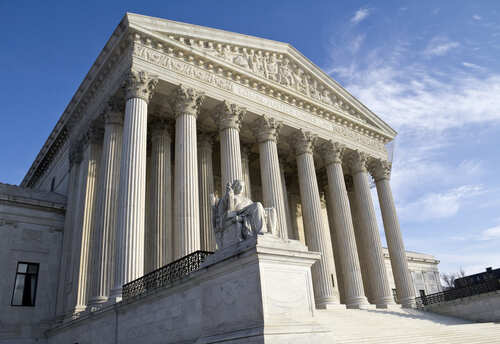
The Supreme Court appears poised to deny a Rastafarian man’s right to sue prison officials who forcibly shaved his sacred dreadlocks, potentially gutting religious protections for America’s most vulnerable citizens.
Story Highlights
- Damon Landor’s dreadlocks were forcibly cut by Louisiana prison guards despite his Rastafarian religious beliefs
- Supreme Court justices expressed skepticism about allowing damage lawsuits under federal religious protection laws
- The case could set precedent limiting accountability for religious rights violations in prisons nationwide
- Conservative justices appear reluctant to expand liability against state officials despite supporting religious liberty
Religious Rights Under Attack in Prison System
Damon Landor’s ordeal began during a five-month drug possession sentence in 2020. Two Louisiana correctional facilities properly respected his Rastafarian faith, which considers dreadlocks sacred based on biblical teachings. However, during his final three weeks at Raymond Laborde Correctional Center, guards forcibly shaved his dreadlocks on the warden’s direct order. Landor even carried court documents affirming his religious rights, but prison officials ignored federal protections designed to safeguard religious expression behind bars.
Prison Guards Shaved His Dreadlocks. The Supreme Court Seems Skeptical He Can Sue. https://t.co/U5F84QJf7J
— Deborah Denno (@DeborahDenno) November 11, 2025
Federal Law Designed to Protect Faith Under Fire
The Religious Land Use and Institutionalized Persons Act, enacted in 2000, specifically prohibits government actions that substantially burden religious exercise without compelling justification. This federal statute emerged from bipartisan recognition that prisoners retain fundamental constitutional rights, including religious freedom. Landor’s lawsuit under RLUIPA seeks monetary damages from individual prison officials who violated clearly established federal protections. The law represents a critical safeguard against government overreach in institutional settings where citizens are most vulnerable to abuse.
Watch;
Supreme Court Signals Troubling Retreat from Accountability
During November 2024 oral arguments, conservative justices displayed unexpected reluctance to enforce religious liberty protections through monetary remedies. Justice Amy Coney Barrett acknowledged the facts were “egregious” while noting lower courts rejected Landor’s claims. The conservative majority’s skepticism contradicts their typical strong support for religious freedom cases. This hesitation suggests dangerous deference to state authority over individual constitutional rights, potentially creating a troubling precedent that shields government officials from accountability when violating citizens’ most fundamental freedoms.
Broader Implications for Constitutional Protections
The Supreme Court’s expected 2025 decision will determine whether religious minorities in America’s correctional system have meaningful recourse when their sacred beliefs are violated. Beyond Rastafarians, the ruling affects all incarcerated individuals practicing faiths requiring specific observances. A decision favoring state immunity over individual accountability could embolden prison officials nationwide to ignore federal religious protections. This case represents a crucial test of whether constitutional rights retain substance or become hollow promises when citizens most need protection from government overreach and institutional abuse.
The stakes extend beyond prison walls, potentially signaling broader judicial retreat from enforcing federal civil rights protections against state actors. Conservative Americans who value religious liberty and constitutional accountability should demand robust enforcement mechanisms that ensure government officials respect fundamental freedoms regardless of institutional setting or individual circumstances.
Sources:
Supreme Court leans against Rastafarian’s case against prison guards who forcibly cut dreadlocks