

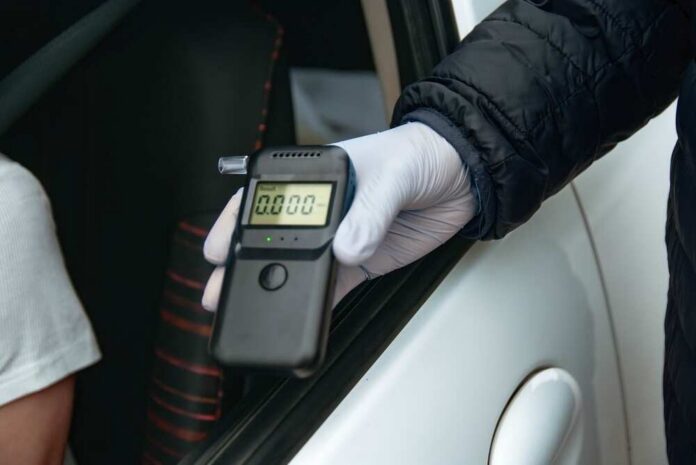
Tiger Woods’ latest DUI arrest is a blunt reminder that “zero alcohol” doesn’t mean “safe to drive”—and refusal to test can still land you in jail.
Quick Take
- Florida deputies arrested Tiger Woods after a high-speed rollover crash near Jupiter and booked him on misdemeanor DUI-related charges.
- Authorities reported a 0.00 breathalyzer result, but they said Woods showed impairment on field sobriety tests and refused a urine test.
- Woods posted bond and was released late Friday night from the Martin County Jail in Stuart, Florida.
- The incident revives scrutiny of medication-related impairment and repeat-offense accountability, even for elite celebrities.
Crash, Arrest, and Release: What Happened in Jupiter
Martin County authorities said Tiger Woods crashed his black Range Rover Friday afternoon near Jupiter, Florida, after traveling at high speed on a two-lane road and clipping a pickup truck towing a trailer, which caused his SUV to roll onto its side. Woods was the only person in his vehicle and exited through the passenger side after the rollover, according to reports. Deputies arrested him for DUI after roadside testing and transported him to jail.
Law enforcement later released Woods on bond late Friday night from the Martin County Jail in Stuart, with video showing him leaving custody and attempting to avoid cameras by using a less-visible exit. Reports said he faced misdemeanor charges tied to DUI, property damage, and refusal to submit to a lawful test. Officials also indicated an “eight-hour hold” standard applied before release, reflecting routine procedure in many DUI bookings even when cases remain unresolved.
Why “0.00” Doesn’t End the Case
Deputies said Woods’ breathalyzer showed 0.00 alcohol, but they still pursued impairment-based DUI allegations after reporting poor performance on field sobriety tests. In Florida and many states, DUI enforcement is not limited to alcohol alone; impairment can be alleged when an officer observes unsafe driving, physical indicators, and test performance consistent with impairment. Authorities also said Woods refused to provide a urine sample, which became part of the booking and charges.
That refusal matters because chemical testing is often the clearest way to identify whether impairment is tied to drugs, medication interactions, or other substances. Without a chemical sample, the case can hinge on officer observations, crash circumstances, and documented test results. Reports describing Woods’ appearance—such as bloodshot eyes in a released mugshot—added to the public narrative, but those details alone do not establish the specific cause of impairment, which has not been confirmed in the available reporting.
Sheriff’s Account: Impairment Signs and a “Could’ve Been Worse” Outcome
Martin County Sheriff John Budensiek said Woods “exemplified signs of impairment” and emphasized the seriousness of the rollover despite the fact that no one was reported injured. In remarks summarized in coverage of the sheriff’s press conference, Budensiek also referenced Woods’ history of surgeries while making clear that deputies proceeded based on their observations and testing. Officials said Woods was cooperative, yet the department still treated the incident as a public safety matter with potentially deadly consequences.
The press conference framing is important for understanding why the story didn’t stop at “no alcohol detected.” A rollover crash on a two-lane road can easily become a fatal incident, especially when another vehicle is involved. In this case, the pickup truck driver was reportedly not injured. For everyday families watching these stories, the practical takeaway is straightforward: impairment—whatever the cause—on suburban roads is a threat to innocent drivers, not just the person behind the wheel.
Repeat-Case Spotlight: Prior DUI, Medication Questions, and Next Legal Steps
This is Woods’ second DUI-related arrest in under a decade, and coverage quickly resurfaced his 2017 incident in the same general area, where reports said he was found asleep at the wheel and later attributed impairment to prescription medication. The current case again raises questions about whether impairment could involve medication or other substances, but the reporting available so far does not confirm a cause. Woods and his team had not offered a public explanation in the cited coverage.
NEW: Tiger Woods Seen Leaving Jail After DUI Arrest (VIDEO)
READ: https://t.co/LCmFQtF2Tu pic.twitter.com/I2bKF1GSVb
— The Gateway Pundit (@gatewaypundit) March 28, 2026
Going forward, the legal process will likely turn on documentation from the crash scene, field sobriety testing, and the refusal allegation, along with any admissible records that clarify Woods’ condition. For conservatives who believe in equal justice under law, this story cuts two ways: fame shouldn’t buy special treatment, but accusations still require proof and due process. The facts reported so far show an arrest and charges—while key answers about impairment remain unresolved.
Sources:
https://www.tmz.com/2026/03/27/tiger-woods-released-jail-rollover-crash-dui-arrest/
https://www.foxnews.com/sports/tiger-woods-mugshot-released-eyes-appear-bloodshot-after-dui-arrest
https://www.wfmd.com/2026/03/27/tiger-woods-mugshot-released-eyes-appear-bloodshot-after-dui-arrest/
https://www.tmz.com/2026/03/27/tiger-woods-florida-crash-press-conference/