

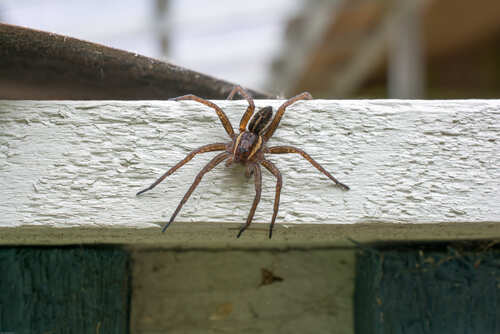
Britons are facing a new household invader as hand-sized, fish-eating spiders, once thought nearly extinct, make an unsettling return to UK homes.
Story Snapshot
- Britain’s largest spider, the fen raft spider, has been spotted in Norfolk homes after a major resurgence.
- The species was once on the brink of extinction due to habitat loss but is now thriving, thanks to aggressive conservation efforts.
- These spiders can grow as large as a human hand and have a striking ability to walk on water and prey on fish.
- Their comeback is hailed by conservationists but has sparked concern among local residents wary of such large, predatory arachnids.
Hand-Sized Spiders Invade UK Homes After Near Extinction
Residents in Norfolk are reporting unnerving encounters as the fen raft spider—Britain’s largest and most aquatic spider—finds its way indoors during cold snaps. Conservation programs, led by organizations like the Royal Society for the Protection of Birds, have fostered a dramatic comeback for this species that was once nearly wiped out by habitat loss. Now, these spiders, with legs spanning the size of a human hand, have become an unexpected presence in homes after decades of near invisibility.
Conservation Victory or Unintended Consequence?
The fen raft spider’s resurgence represents a conservation victory for environmentalists, who point to its recovery as a sign of successful wetland restoration. However, some local communities question the wisdom of aggressive environmental interventions that can disrupt the balance between nature and human habitation. The return of these large, fish-hunting spiders is a vivid example of how well-intentioned environmental policies can have real-world effects that are not always welcomed by the public, especially when they challenge people’s sense of safety in their own homes.
Giant spiders the size of rats make comeback in UK after nearing extinctionhttps://t.co/A48TqyW6BM
— ITV News (@itvnews) August 20, 2024
Who’s Behind the Comeback?
The Royal Society for the Protection of Birds (RSPB), with key figures like site manager Tim Strudwick and ecologist Jane Sears, spearheaded efforts to restore wetland habitats critical for the fen raft spider’s survival. Their work, part of broader biodiversity campaigns, has reintroduced these spiders to areas where they had vanished. While conservationists celebrate the species’ return, critics argue that such interventions sometimes overlook the impact on communities, particularly when large, predatory creatures move from marshes to residential areas.
Ecological and Social Impacts
The fen raft spider is remarkable for its aquatic lifestyle, hunting fish, tadpoles, and even dragonflies by skimming across water surfaces. Its comeback indicates improving wetland health, which conservationists claim benefits ecosystems at large. Yet, the presence of these spiders in homes has stirred anxiety and prompted debates about the direction of conservation policy. Local economies may see a boost from curious tourists, but for many, the cost is a loss of comfort and security, with worries about what other unexpected consequences might arise from unchecked environmental agendas.
Sources:
Giant Fish-Eating Spiders Have Been Spotted in Britain