
Fact-checks say no law forced a Kansas doctor to sue his patients, even as records show courts arrested dozens after missed hearings.
Story Highlights
- Reports show more than 700 debt suits tied to Sen. Roger Marshall’s former practice.
- Fact-checks say no federal or state law mandated suing patients or seeking warrants.
- Kansas judges may issue warrants when people miss court dates; arrests were tied to nonappearance.
- President Trump defended Marshall, saying attorneys and judges handled the process.
What Sparked The Fight Over Medical Debt And Arrests
News stories reviewed Kansas court records and found more than 700 lawsuits tied to Sen. Roger Marshall’s former obstetrics practice. The analysis reported 81 arrests, which followed missed court appearances in those civil cases, not the unpaid bills alone. The Boston Globe also described how judges can issue warrants when defendants skip hearings, and noted that Marshall’s lawyers at times requested warrants in particular cases. These records fueled election ads and set off a heated back-and-forth in Kansas.
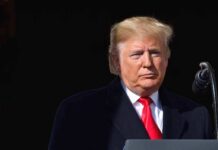
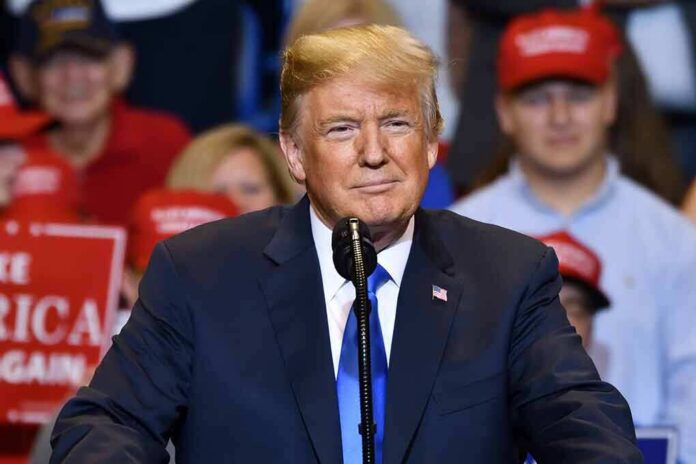
President Trump defended Marshall at a Kansas event. Trump argued Marshall did not personally chase patients and that lawyers and judges handled collections. Coverage of his remarks reported Trump said Marshall was “mandated by law” to request payments. Fact-checks pushed back, saying they found no federal or state rule forcing a doctor to sue, and no rule requiring attorneys to ask for arrest warrants when someone misses court. That is the core dispute now shaping the headlines.
What The Law Does And Does Not Require
Fact-checks from multiple outlets say there is no federal or state law that requires doctors to sue patients over unpaid medical bills. They also report no law requires a creditor’s attorney to ask a judge for an arrest warrant when a person fails to appear in court. Kansas law allows judges to issue warrants after missed hearings. That is a court process issue, not a penalty for being poor. The arrests reported flowed from missed court dates, not a direct jailing over medical debt.
These accounts also document that Marshall’s attorneys sometimes sought warrants in specific cases. The number cited for arrests is 81, tied to nonappearance. Media reports differ on how often his lawyers asked for warrants, but they agree judges have the authority to issue them after a no-show. The picture that emerges is a tough collections approach run through civil courts, with real consequences when people do not appear as ordered.
Scale Of Lawsuits And Interest Rates In Kansas Cases
The New York Times identified more than 700 lawsuits involving former patients of Marshall’s practice. That volume stands out and gives critics an easy target in campaign season. A Kansas City Star review found that only a portion of practices in the state filed such suits, suggesting collections strategies vary widely across providers. It also reported Marshall’s practice used an annual interest rate that was notably high compared to peers in the review set. Those details shaped the political storyline.
Medical Economics and other coverage repeated the core numbers and the arrest figure after missed hearings. The reports underscored how routine civil steps—lawsuits, hearings, wage garnishment—can spill into arrests when court notices go ignored. That chain is legal, but it feels harsh when balances are small, and it alarms many families living paycheck to paycheck. This is where policy debates over hospital charity care and transparent billing enter the conversation.
How Conservatives Can Read This Moment
Conservatives value personal responsibility and honest contracts. They also want fair courts and due process. The facts show courts run the warrant process after missed appearances. The facts also show no law forced any doctor to sue. That means choice and judgment still matter. When lawyers push for warrants, and when interest rates run high, the public sees a system that can forget mercy and common sense. That hurts trust in institutions.
President Trump on controversy over Sen. Roger Marshall (R-KS) pursuing former patients for unpaid medical debt: "You got screwed with that stuff." pic.twitter.com/bl81H4Letu
— CSPAN (@cspan) October 20, 2026
President Trump stood up for an ally and drew a line between unpaid bills and court orders. That helps clarify a key point: people were arrested for skipping court, not for owing money. Still, the record shows providers have options before filing suit. Leaders should back policies that promote payment plans, price clarity, and charity care when needed—without empowering heavy-handed tactics. That approach defends families, respects contracts, and keeps judges focused on real crime, not paperwork snafus.
Sources:
mediaite.com, sanluisobispo.com, medicaleconomics.com, thehill.com, beckersasc.com