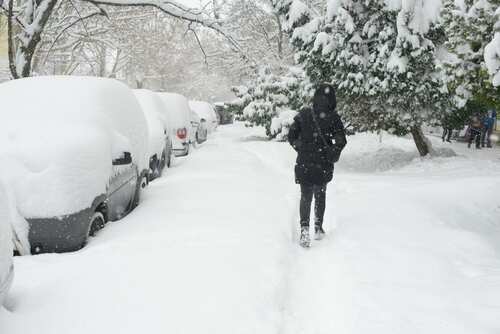
As the Northeast braces for an unprecedented cold wave, concerns mount about the potential impact on infrastructure and public safety.
Story Highlights
- The Northeast is expected to face extreme cold before Christmas, with temperatures dropping significantly.
- La Niña conditions and the Arctic Oscillation are key drivers of this severe weather forecast.
- State and local authorities are preparing for increased energy demands and potential emergency situations.
- Citizens are advised to take precautions against the anticipated frigid temperatures and possible snowstorms.
Understanding the Weather Phenomenon
The upcoming winter season in the Northeast is set to be marked by extreme cold, attributed to the persistent La Niña conditions and the Arctic Oscillation. These meteorological phenomena are expected to create conditions conducive to severe cold outbreaks, posing a significant challenge to residents and authorities alike. The combination of cooler sea surface temperatures in the Pacific and atmospheric pressure changes over the Arctic is likely to bring polar air into mid-latitude regions.
As a result, the Northeast is preparing for a potential onslaught of cold weather events, with the likelihood of temperatures dropping well below normal levels. This forecast is based on established climate prediction models developed by NOAA’s Climate Prediction Center, which have been monitoring these conditions closely.
Watch:
Impact on Communities and Infrastructure
Communities across the Northeast are bracing for the impact of this severe weather, which could lead to increased heating demands and strain on energy supplies. The agricultural sector is also on alert, as extreme cold can disrupt crop management and livestock operations. Transportation infrastructure may face challenges due to potential icing and snowstorms, leading to operational disruptions.
State and local emergency services are preparing for increased demand, with plans in place to respond to cold-related emergencies. Public health officials are particularly concerned about the risks of cold exposure, especially for vulnerable populations such as the elderly and homeless.
Preparations and Precautions
Authorities are urging residents to take precautions as the forecasted cold wave approaches. This includes ensuring adequate home insulation, stocking up on essential supplies, and staying informed about weather developments. Utility companies are also preparing for elevated demand, with contingency plans to manage potential power outages and ensure a steady supply of heating fuels.
The combination of La Niña and the Arctic Oscillation presents a complex forecasting challenge, with NOAA indicating a high level of uncertainty for the season. Nonetheless, the probability of colder-than-normal temperatures necessitates proactive measures to mitigate the potential impacts on daily life and economic activities.
Sources:
NOAA’s National Weather Service Winter 2025-26 Outlook