
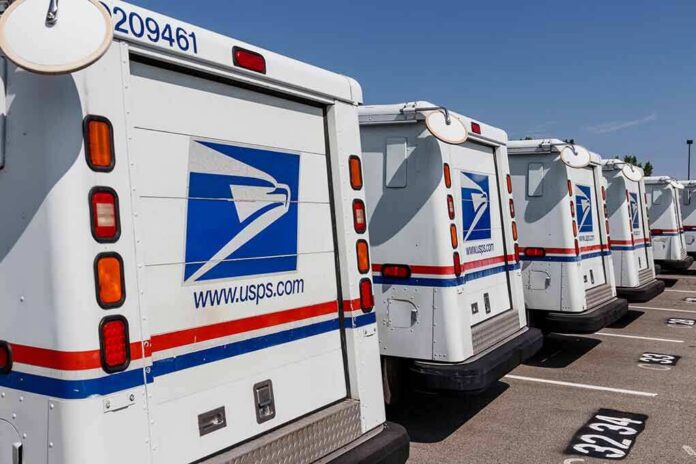
USPS has activated extraordinary election-mail measures nationwide, including extra delivery trips and targeted ballot handling, to keep ballots moving to election offices.
Story Highlights
- USPS authorized extra collections, deliveries, and special pickups for ballot mail.
- Ballots are flagged with a logo, barcode, service codes, and green Tag 191 for tracking.
- USPS issued public guidance, urged early mailing, and outlined postmark rules.
- Completed voter ballots move as First-Class Mail under defined standards.
USPS Executes Extraordinary Measures To Move Ballots
USPS leadership published a 2026 preparedness memo that authorizes extra steps to keep ballot mail current. The memo allows extra delivery and collection trips, early collections, special pickups, and Election-Day delivery efforts where feasible. It also extends these steps through state-specific receipt deadlines so local rules are respected. The memo emphasizes moving identifiable ballot mail through the network without delay. These measures are now in place for the general election period.
USPS statements affirm that these actions are part of a nationwide plan for this election. The agency says election season is “business as usual” with specialized processes layered on top of daily operations. The goal is to clear ballot flows quickly and avoid bottlenecks at plants and post offices. The memo frames these as operational tools managers can activate to meet local needs while keeping ballot mail moving on time across the country.
Clear Ballot Identification Drives Faster Handling
USPS separates ballot mail from political mail so ballots get targeted handling. Ballot envelopes carry the Official Election Mail logo, a serialized Intelligent Mail barcode, service type identifiers for ballots, and green Tag 191 for trays and containers. Political mail uses different markers, including red Tag 57 and specific service codes. These identifiers boost visibility inside machines and on docks. Staff can then route trays and pieces to the quickest lanes and prioritize dispatches when needed.
USPS guides remind election offices and vendors to follow design and tagging rules to unlock these benefits. The agency assigns Mailpiece Design Analysts to help set up art, barcodes, and envelope features that meet automation standards. That help reduces manual handling and scanning gaps. It also improves the chance that local teams can spot ballot volumes early and schedule extra trips. The aim is simple: make every ballot easy to find, scan, and send without delay.
Public Guidance: Mail Early And Know The Rules
USPS released a package of public resources for this election cycle. The package includes the Official Election Mail Guide, guidance on postmarking ballots, and instructions for using extraordinary measures. The agency also tells voters to mail ballots early to avoid last-minute crunches. The message pairs personal responsibility with agency readiness. Voters who act early help postal teams stage capacity smartly and reduce risk near state deadlines.
USPS materials also explain service classes and acceptance rules. Completed voter ballots travel as First-Class Mail unless a voter buys a premium service. That standard sets expected speed and handling at every step, from local acceptance to final delivery to election offices. The classification clarifies how plants should stage ballots and which dispatches should carry them when time is tight and volumes surge near the election.
Political Mail Still Moves, But Ballots Come First
USPS rules require prompt, efficient processing of political mail, which includes advocacy and campaign pieces. Those mailings must be documented and marked to qualify for that treatment. The system keeps political communication moving even during peak days. But ballot identification tools allow election-bound envelopes to receive targeted handling that aligns with statutory deadlines. This split respects speech and participation while keeping the focus on timely ballot delivery.
USPS says these steps fit lessons from past high-volume cycles. Independent oversight from the Postal Service Office of Inspector General reported strong ballot performance in 2020, when the agency processed an unprecedented wave of election-related mail under special policies. That history shows that defined plans and clear markings can raise performance during peak stress. It also underscores why today’s playbook centers on visibility, faster moves, and early action by voters and officials.
Sources:
news.usps.com, about.usps.com, faq.usps.com