

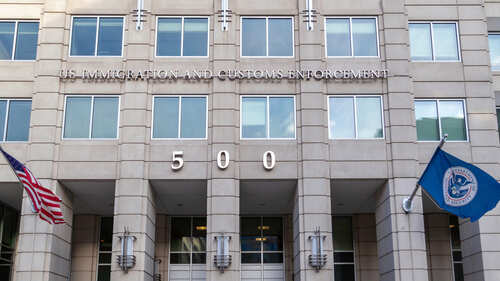
The Trump administration’s sweeping new immigration crackdown is reshaping America in ways few imagined, leaving millions wondering which cherished freedoms or institutions will be next on the chopping block.
At a Glance
- Trump’s 2025 immigration agenda eliminates protections for Dreamers, TPS recipients, and vulnerable refugee groups.
- New policies empower ICE to conduct raids in schools, hospitals, and churches, eliminating “sensitive zones.”
- Expedited deportation now applies nationwide, with limited judicial review, raising major due process concerns.
- Family-based immigration and Diversity Visas are being slashed in favor of a merit-based system, threatening decades-old American values.
Trump’s Second Term Immigration Agenda: Sweeping, Relentless, and Unapologetic
President Trump’s second term has wasted no time unleashing an immigration crackdown that is as broad as it is relentless. In a move that has left left-wing critics howling and the border wide open no longer, ICE agents have been given a green light to conduct operations in places previously considered off-limits: schools, hospitals, and even houses of worship. The old “sensitive zones” are gone, replaced by a policy that puts law enforcement back in control, not bureaucrats and open-border activists. Gone are the days when sanctuary cities could hide behind a patchwork of protections while American families paid the price.
The administration’s new rules mean that ICE and Border Patrol no longer need to tiptoe around public institutions, and deportations are now swifter than ever. The expedited removal process, once limited to those caught near the border, now stretches from coast to coast. Individuals arrested anywhere in the country can be deported without ever seeing a judge. Supporters hail this as long overdue, arguing that the country can’t afford endless legal wrangling while illegal immigration spirals out of control.
Watch: Trump’s 2025 VISA BAN Shocks Immigrants: Green Card Holders in Danger!
https://youtu.be/MArWcFnbFk0?si=_Tjf4gdbev77Z9Hk
Deportation, Detention, and the End of “Relief” for Dreamers and Refugees
The administration’s targets are not just those crossing the border today, but also the millions who previously found shelter under Obama and Biden-era programs. Project 2025 specifically calls for ending Temporary Protected Status (TPS), Deferred Action for Childhood Arrivals (DACA), and visas for victims of crime. That means hundreds of thousands of people who have lived and worked in this country for years—some for decades—are now facing deportation. The Diversity Visa Lottery is also on the chopping block, and so-called “chain migration” is being replaced with a merit-based system that prioritizes skills and economic contributions over family ties.
This is not just a shift in paperwork. It’s a full-scale reversal of decades of bipartisan immigration policy built on family reunification and humanitarian relief. Proponents insist it’s about restoring the rule of law and ending the incentives that draw illegal immigrants to the country in the first place. Detractors, meanwhile, charge that the real goal is to change the face of America and slam the door on the world’s “huddled masses.” What’s undeniable is that the days of open-ended relief for anyone who can get here are over, and the administration is not backing down—regardless of the lawsuits, protests, or media outrage.
Federal Power Expands as States and Localities Face Pressure to Cooperate or Face Sanctions
One of the most controversial elements of Project 2025 is the push to force state and local governments to cooperate fully with federal immigration authorities. The new policies penalize so-called sanctuary jurisdictions by threatening to cut off access to federal databases and funding if they refuse to turn over noncitizens for deportation. Police and state agencies are being conscripted into federal enforcement, and in some cases, voter and motor vehicle data is being shared to root out undocumented residents. This has already triggered a wave of legal challenges and protests, but the administration insists it’s a necessary correction to years of lax enforcement and political grandstanding by blue-state officials.
Meanwhile, the administration is expanding E-Verify, a system that requires employers to check the immigration status of every new hire. Critics say the system is riddled with errors and disproportionately impacts legal residents, but supporters argue it’s a common-sense measure that puts American workers first. The message is clear: if you’re here illegally, there’s no safe haven—and if you’re a business caught hiring illegal labor, expect consequences. This is a top-to-bottom effort to close loopholes, restore accountability, and put the interests of American citizens first—no matter how loudly the activists scream.