

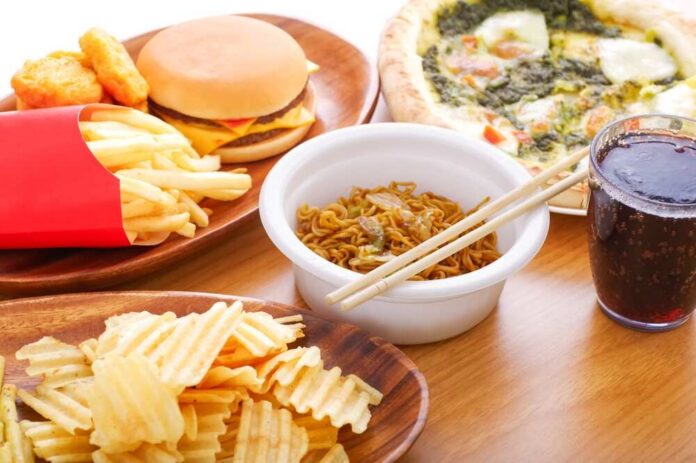
Ultra-processed foods have quietly become a chronic-disease force multiplier—built for convenience, marketed everywhere, and now tied to sharply higher risks of heart attack, stroke, and premature death.
Quick Take
- Major 2025–2026 research links high ultra-processed food (UPF) intake with significantly higher cardiovascular and mortality risks, even after statistical adjustments.
- A U.S. analysis of 4,787 adults found the highest UPF consumers faced a 47% higher risk of heart attack or stroke than the lowest consumers.
- Among 802 cancer survivors, those eating the most UPFs showed higher all-cause and cancer-specific death rates over long-term follow-up.
- Researchers argue public-health action should not wait for perfect evidence, while also acknowledging randomized trials are still needed to prove causation.
What the New Evidence Actually Says About UPF Risk
Researchers are converging on a consistent warning: people with the highest ultra-processed food intake show meaningfully worse health outcomes across multiple datasets. A 2026 analysis drawing on U.S. NHANES data (2021–2023) reported that adults in the highest UPF group had a 47% higher risk of heart attack or stroke than those in the lowest group, even after accounting for factors such as age, smoking, and income.
Separate 2026 findings focused on cancer survivors raise a different kind of alarm: among 802 survivors followed for a median 14.6 years, those in the top third of UPF consumption had higher death rates from all causes and from cancer specifically than those in the bottom third. Researchers also reported the association persisted even after adjusting for overall diet quality, suggesting something beyond simple “junk food calories” may be involved.
Why “Processing Itself” Is Now the Center of the Debate
Nutrition fights used to revolve around sugar, fat, and calories, but the UPF research is pushing a different thesis: industrial processing may be its own health exposure. The Nova classification system, developed in 2009, groups foods by processing level and defines UPFs as industrial formulations often high in additives, emulsifiers, flavorings, preservatives, and refined ingredients. Researchers argue these products displace traditional meals and correlate with metabolic dysfunction markers in high consumers.
Mechanism claims still require caution, but the leading hypotheses are increasingly specific. Scientists have pointed to metabolic disruption, gut microbiome changes, and inflammation as plausible pathways. Some reports cite relationships with elevated inflammatory markers and higher resting heart rate as possible intermediate signals tied to mortality risk. Even so, the strongest studies here remain observational, which means they can detect patterns and associations but cannot, on their own, prove UPFs directly cause disease.
How Worried Should You Be—And Who’s Most at Risk?
The research does not suggest panic for every packaged item in your pantry; it consistently points to the highest-intake groups as the ones facing the biggest risk increases. That distinction matters for families trying to make practical choices on real budgets. The signal across studies is that UPFs are becoming a large share of modern diets, and as that share rises, researchers observe worse health correlations and higher daily energy intake. The worry level, in other words, tracks with how dominant UPFs are in your routine.
The Policy Temptation: Public Health vs. More Government Control
Some researchers and public-health voices are calling for “decisive” action, including proposals like tighter marketing rules, front-of-package labeling, or even taxes aimed at UPFs. Conservatives should separate two questions: what the evidence says about risk, and what government is likely to do with that evidence. The studies strengthen the case for clear consumer information and better medical counseling, but they also invite heavy-handed policy approaches that can punish working families while letting major corporations navigate the loopholes.
One practical takeaway is that the research supports targeted personal and clinical action right now, even as scientists continue debating causality. Healthcare providers are being urged to counsel UPF reduction alongside established steps like healthier overall eating patterns and appropriate therapies. For voters burned by years of technocratic “nudging,” the key is demanding transparency: define UPFs clearly, measure outcomes honestly, and avoid turning evolving science into another excuse for bureaucratic control over everyday life.
https://twitter.com/HITpol/status/2034568650515255637
Ultimately, “how worried” depends on how replaceable UPFs are in your diet. The strongest risk numbers are showing up where UPFs are not occasional, but foundational—breakfast bars, frozen meals, sweetened drinks, and packaged snacks as daily staples. The evidence base is growing fast, and while randomized trials are still needed to confirm cause-and-effect, the consistent associations give families a straightforward, liberty-friendly option: reduce dependency on industrial convenience foods and shift back toward simpler, minimally processed meals when possible.
Sources:
https://www.eurekalert.org/news-releases/1105884
https://www.sciencedaily.com/releases/2026/02/260210040602.htm
https://medicalxpress.com/news/2026-02-high-consumption-ultraprocessed-foods-linked.html
https://pmc.ncbi.nlm.nih.gov/articles/PMC12812755/
https://journals.sagepub.com/doi/10.1177/17579139251410803