Millions of UK asthma sufferers face a preventable health crisis as Middle East conflict-driven energy costs combine with record rainfall to create deadly mould conditions in homes, exposing how foreign entanglements threaten the wellbeing of ordinary citizens.
Story Snapshot
- Asthma + Lung UK warns 7 million asthmatics and 3 million COPD patients at risk from mould triggered by soaring energy bills and wet weather
- Middle East conflict escalation disrupts energy supplies, threatening repeat of 2022 crisis when one in five asthma patients suffered attacks from cutting heating costs
- One-third of lung disease patients report mould as symptom trigger, with children especially vulnerable to developing new asthma cases from damp housing
- Conflict’s indirect economic ripple effects demonstrate how globalist entanglements overseas directly harm working families at home
Foreign Conflict Threatens UK Families at Home
The escalating Middle East conflict that began February 28, 2026, with US-Israel strikes on Iran has triggered energy supply disruptions reaching British households. Asthma + Lung UK issued an urgent warning that potential energy price hikes, combined with the wettest winter in three decades, create dangerous conditions for respiratory patients. The charity represents 10 million UK citizens with lung conditions, including 7 million asthmatics who face 1,400 annual deaths from the disease. This situation exemplifies how overseas military involvement produces domestic consequences that Washington elites rarely consider when pursuing interventionist policies abroad.
Perfect Storm of Weather and Economic Pressure
Met Office data confirms winter 2025-2026 rainfall exceeded 30-year averages across most of the UK, dramatically increasing indoor moisture levels. Dr. Andy Whittamore, clinical lead at Asthma + Lung UK, explained that wet weather combined with Middle East-driven energy bill increases creates “perfect conditions” for dangerous mould growth. One-third of people with lung conditions identify mould as triggering wheezing, breathlessness, and potentially fatal attacks. Low-income renters face the harshest impact, trapped between unaffordable heating costs and landlords who ignore mould problems, leaving vulnerable families to suffer the health consequences of both government policy failures and globalist energy dependence.
Painful Lessons from Previous Energy Crisis Ignored
The 2022 energy crisis provides a stark warning that policymakers have failed to heed. During that period, one in five UK asthma patients reported attacks directly resulting from cutting heating to manage costs. The current Middle East conflict disrupts oil and gas supplies through the same mechanisms, yet government preparation appears inadequate. Families like the Smiths, whose children suffer in mouldy rental properties, represent countless households where preventable respiratory illness stems from policy choices prioritizing foreign entanglements over energy independence. This pattern of government failure to protect citizens from foreseeable crises reflects the disconnect between ruling class priorities and working family needs.
War’s Hidden Health Toll Extends Beyond Conflict Zones
A comprehensive 2026 systematic review analyzing 48 studies confirms wars consistently elevate asthma prevalence through multiple pathways. Psychological trauma including PTSD, life-threatening events, and depression show odds ratios between 1.56 and 2.25 for increased asthma risk. While the Middle East conflict directly impacts regional populations with 1,300 deaths and 9,000 injuries in Iran alone, the UK experiences indirect consequences through energy market disruption. WHO reports document respiratory infection risks from displacement camps and toxic smoke from petroleum fires in conflict zones. These findings underscore how military interventions produce cascading health impacts that extend far beyond immediate combat areas, affecting civilians who never supported the interventions.
Children Bear Disproportionate Risk from Policy Failures
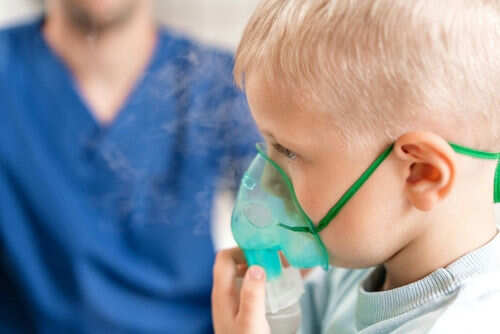
Medical evidence demonstrates that children exposed to damp and mould face elevated risk of developing new asthma cases that may persist lifelong. The convergence of unaffordable heating and inadequate housing standards places the youngest and most vulnerable at greatest risk. A separate UK study launched February 25, 2026, targets dangerous inhaler overuse in children, finding that using relievers six or more times yearly increases attack risk three to five times. Dr. Anna Selby emphasizes proactive care prevents such outcomes, yet energy cost pressures force families into reactive crisis management. This represents a failure of basic governance—protecting children from preventable disease should transcend political considerations, yet current policies prioritize global commitments over domestic wellbeing.
Government Response Falls Short of Crisis Scale
UK government actions as of March 10, 2026, focus on emergency trade measures and scanned health certificates related to Middle East disruptions, but fail to address the domestic health crisis facing millions. WHO Director Tedros Adhanom Ghebreyesus warns the conflict increasingly impacts regional health services, with 18 Iranian and 25 Lebanese health facilities attacked and over 800,000 people displaced. Yet British families receive inadequate support to manage the economic fallout. The disconnect between government capacity to implement complex trade protocols and inability to prevent preventable respiratory deaths exposes misplaced priorities. Energy independence and affordable heating represent achievable policy goals that would eliminate this manufactured crisis, but require abandoning failed globalist energy strategies that leave citizens vulnerable to foreign conflicts.
Sources:
The association between war and asthma: a systematic review and meta-analysis
Wet weather and rising energy bills spark damp and mould warning over Middle East War
UK-first study targets dangerous overuse of asthma inhalers in children
Conflict deepens health crisis across Middle East, WHO says
Escalating Middle East Conflict Strains Health Systems and Disrupts Humanitarian Supply Routes
WHO chief warns Middle East conflict increasingly impacting regional health services
10 March 2026: Military action in the Middle East – emergency measures update