

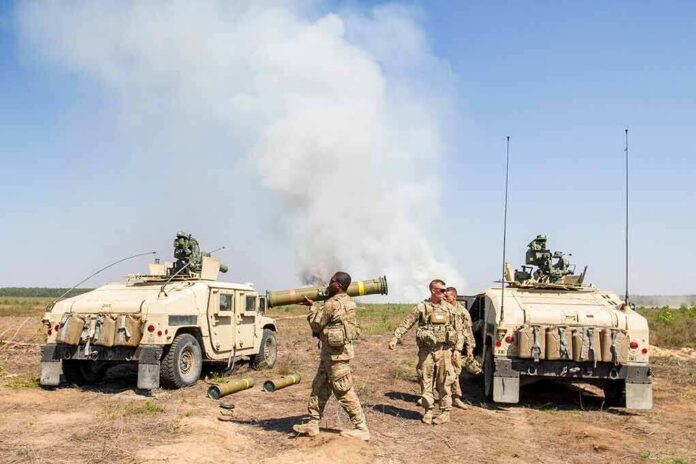
Israel staged a two-day, four-division drill to repel surprise infiltrations by land and air just days before national elections.
Story Snapshot
- The Israel Defense Forces ran a multi-front surprise-attack exercise across northern and central Israel.
- Four divisions and the Israeli Air Force practiced stopping infiltrations on land and by air.
- The military said the drill was planned as part of the 2026 training schedule, not tied to a warning.
- Analysts linked the training focus to lessons from October 7 and the 1973 war’s surprise risk.
Large-Scale Drill Focused on Surprise Infiltrations
Israel Defense Forces leaders conducted a major exercise simulating a multi-front surprise attack across the country’s north and center. Commanders tasked units to stop enemy infiltrations by land and air. The drill ran from Sunday to Monday and included heavy ground and air activity visible to residents. Reports said the training plan covered defensive moves to protect towns and key sites, reflecting real scenarios Israel faced in recent years. The focus stayed on rapid response and clear command lines.
Military statements and news reports identified the Northern Command’s 210th Division, the Judea and Samaria Division, the 98th Division, and the Central Command’s 96th Division as core participants, alongside the Israeli Air Force. Forces practiced intercepting hostile teams, sealing breaches, and coordinating close air support. Ground brigades drilled quick movement and perimeter defense while pilots rehearsed strike and surveillance tasks. The goal was to improve timing between ground defenders and air crews under pressure.
IDF Frames Exercise as Preplanned Readiness, Not Election Signal
Israel scheduled the training near a national vote, but the Israel Defense Forces described it as part of the 2026 annual plan. Officials said the exercise did not respond to a specific intelligence warning. That framing placed the drill within routine preparedness, even as the timing drew attention. The military’s message centered on alertness, defending communities, and using air power to blunt a sudden strike, rather than any political motive tied to the election calendar.
Coverage noted that the exercise applied lessons learned since the October 7, 2023 attacks, when surprise tactics and infiltration exposed gaps in early warning and response. The Israel Defense Forces highlighted training to tighten unit coordination, speed alerts, and harden civilian areas against quick raids. That focus aligns with public lessons about surprise attacks, where small teams exploit confusion and speed. The emphasis aimed to keep defenders ready even if warning time is short.
Historical Echoes and Regional Tension Shape Perception
Analysts pointed to the 1973 Yom Kippur War to explain why militaries drill for surprise. Then, enemy forces masked attack plans with exercises, catching Israel off guard. Today’s leaders cite that history to stress readiness and deter miscalculation. Reports also placed the drill within wider regional strain, including Iranian activities and cross-border threats. That backdrop can make routine training feel like a warning, even when officials say it is scheduled practice.
🛡️ Preplanned defense drill before the election:
The @IDF announced an exercise simulating a multi-front attack for Sunday and Monday in northern and central Israel, ahead of the national election. The Israeli Air Force, Northern Command and Central Command will participate,…
— Israel RealTime (@IsraelRealtime) October 24, 2026
For American readers, the core takeaway is simple: allies train hard to stop the next surprise before it starts. Israel’s scenario mirrored real risks—fast-moving infiltrations, drones, and rocket cover—while pairing ground shields with air power. The United States benefits when partners sharpen defense and deter chaos that could drag Americans into wider war. Strong borders, clear chains of command, and rapid response save lives and uphold order—principles conservatives expect at home and from allies abroad.
Sources:
foxnews.com, israelnationalnews.com, timesofisrael.com, aa.com.tr