
The U.S. State Department now says parts of Mozambique are “Do Not Travel” zones as terrorists target roads, villages, and high-end retreats in Cabo Delgado.
Story Highlights
- State Department lists Cabo Delgado as Level 4: Do Not Travel due to terrorism
- Advisory warns of ongoing plotting and attacks on civilians and supply routes
- Canada and the United Kingdom issue similar warnings for the same province
- Insurgents tied to Islamist groups have operated there since 2017
State Department Issues “Do Not Travel” Warning for Cabo Delgado
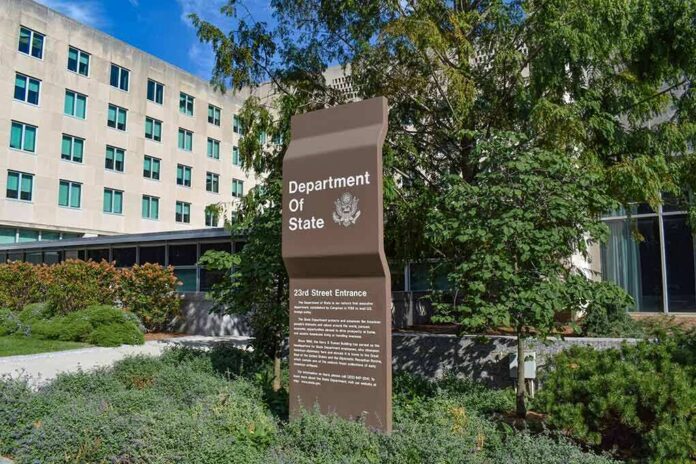
The U.S. State Department updated its Mozambique guidance and ranks Cabo Delgado Province as Level 4: Do Not Travel. Officials cite active terrorism risk, including attacks and plots against government forces, villages, and key supply lines in the far north. The notice also flags parts of nearby Nampula Province and the Niassa Special Reserve for similar threats. The warning directs Americans to avoid these areas and highlights the risk of sudden violence and limited access to help on the ground.
State materials linked to intercountry travel and legal assistance repeat the same Level 4 status for Cabo Delgado. They underscore that terrorists continue to plan and carry out strikes without warning. The notices stress dangers along roads and in rural communities, where insurgents have cut routes and ambushed vehicles before. Travelers are told that emergency services may be slow or unreachable in remote zones, which can turn even small incidents into life-threatening events for stranded visitors.
Insurgency Targets Civilians, Corridors, and Lodges
Conflict tracking groups and regional briefings describe a years-long insurgency in Cabo Delgado. Analysts attribute the violence to Islamist extremist cells that evolved from local militias into a hardened force. These fighters have burned homes, hit churches and schools, and threatened upscale coastal areas that draw hunters and beach tourists. Reports show that militants pressure key roads and supply corridors, creating choke points that isolate towns and resorts when attacks flare up across the province’s north.
Researchers and defense studies link the movement to jihadist networks, naming Islamic State affiliates as a driver of tactics and propaganda. The violence began in 2017 and has surged in cycles as security forces push into strongholds and militants spread to new areas. This pattern raises the risk that remote lodges or transit hubs can become soft targets when pressure shifts. That is why the advisory singles out Cabo Delgado rather than all of Mozambique, focusing on where the threat is most acute and persistent.
Allies Mirror the U.S. Warning for Northern Mozambique
Canada tells its citizens to avoid all travel to Cabo Delgado because of the ongoing insurgency. Its advisory carves out a narrow exception for Pemba City, where it still urges people to avoid non-essential travel. That split shows how concentrated the threat remains and how fast it can move across districts. Canada’s warning echoes the same core risks: violent attacks, blocked roads, and weak medical or police support if trouble erupts far from urban centers.
The United Kingdom also advises against travel across Cabo Delgado, citing attacks by extremists and clashes with local security forces. British guidance notes roadblocks and checkpoints throughout the region. These controls can change without notice and strand travelers between districts. The alignment of U.S., Canadian, and British notices gives American families a clear signal: northern Mozambique’s insurgency is active, irregular, and most dangerous where tourism and transport cross sparsely guarded terrain.
What This Means for American Travelers and Families
American hunters, anglers, and beach travelers should reroute trips away from Cabo Delgado. Travel insurers may refuse coverage in Level 4 zones, and medical evacuation can be slow or unsafe during flare-ups. Families should check airline change rules and hotel refund terms before canceling. If travel to Mozambique is essential, travelers should stay south of the threat area, keep a low profile, avoid night driving, and register plans with the State Department’s Smart Traveler Enrollment Program for alerts and assistance if routes close.
Security First: A Clear Line Against Terror Threats
President Trump’s administration is warning clearly and early to protect Americans abroad. The guidance draws a firm line against Islamist terror groups that prey on civilians, tourists, and faith centers. The message is simple: do not feed risk, do not test remote roads, and do not assume a luxury lodge is safe when militants move fast and strike without warning. Clear travel rules, strong borders, and smart planning keep American families safe and our values strong when threats surge overseas.
Sources:
nypost.com, travel.state.gov, beyondekaya.com, worldtravelguide.net, dailymaverick.co.za, acleddata.com