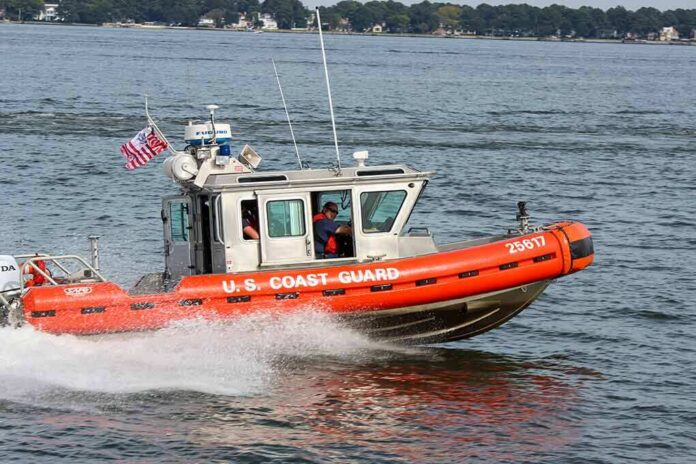
A grounded 58-foot fishing boat carrying about 1,000 gallons of diesel shut a Point Reyes beach as federal and park crews moved fast to prevent a spill.
Story Highlights
- Unified command from the U.S. Coast Guard and National Park Service led the response.
- Officials reported no injuries, no active fuel leak, and no wildlife impacts during initial operations.
- Crews aimed to safely remove roughly 1,000 gallons of diesel from the vessel.
- North Beach access closed while responders secured the site and planned vessel removal.
Grounding Details And Immediate Safety Actions
U.S. Coast Guard responders reached Point Reyes National Seashore at daylight Friday after reports of a fishing vessel in trouble near North Beach. They found a 58-foot fishing boat aground in the surf with a reported 1,000 gallons of diesel onboard. A unified command formed with the National Park Service to manage safety, secure the vessel, and plan fuel removal. Officials reported no injuries, no active fuel leak, and no wildlife impacts during the initial phase, while closing the beach area to protect the public.
National Fisherman reported the same fuel amount and emphasized the goal of safely pumping the diesel off the vessel before refloat or removal. That step reduces risk to water, shorebirds, and sensitive beach habitat if seas shift or hull damage worsens. The federal team’s job is clear: keep people safe, stabilize the boat, and remove pollution threats fast. Agencies often take these steps first because each tide cycle can change the vessel’s position and risk profile.
Who Is In Charge And What Comes Next
The unified command includes the U.S. Coast Guard and National Park Service, with support from Marin County Fire, the National Oceanic and Atmospheric Administration, and California fish and wildlife spill specialists. This structure sets clear roles for operations, safety, and environmental protection. Next steps normally include lightering the diesel, assessing hull integrity, and timing a tow or salvage with the tides and surf. NOAA’s incident log confirms the early “no active leak” status while the team carried out plans.
Agencies follow a standard order of priorities shaped by decades of spill responses. They protect responders and the public, shield sensitive habitat, and then remove hazards in ways that avoid further damage. Lessons from many past groundings show that the faster crews can stabilize and salvage a vessel, the lower the chance of later pollution or shoreline injury. In practice, that means booms, pumps, and careful timing beat rushed moves that could tear the hull or spill fuel at the wrong tide.
Why This Matters For Coastal Communities
Point Reyes waters are unforgiving, with a long history of shipwrecks and rough surf. A single mistake, strong swell, or equipment failure can put a boat on the sand in minutes. When that happens, strong coordination is the best defense against a bad day turning into a costly environmental mess. A clear chain of command and quick fuel removal protect local families, fishermen, and park visitors who rely on clean beaches and open access.
SFC headline changed
Was: Fishing boat carrying 1,000 gallons of diesel runs aground at Point Reyes
Now: Bay Area beach closed after boat carrying 1,000 gallons of diesel runs aground pic.twitter.com/zeXHoifzh4— SF Chronicle Watcher (@sfcwatcher) August 23, 2026
For readers tired of bureaucracy, this is what accountable government response should look like: act fast, keep the public informed, and prevent harm. The Coast Guard and park service moved to close the area, set a plan, and work the problem. That respects both public safety and property rights, and it avoids the kind of drawn-out, expensive cleanups that drain wallets and shut down recreation. The early results here—no injuries, no active leak—show the plan working as intended.
Practical Takeaways For Beachgoers And Boaters
Beach closures can feel frustrating, but they buy time for crews to secure hazards. Visitors should follow posted signs and keep drones and pets away from operations. Boaters near surf or fog should double-check charts, tides, and fuel levels, and monitor weather and radio traffic. Good seamanship prevents these events. When accidents happen, quick calls to the Coast Guard and clear information help responders protect people and the coast faster.
The bottom line: a grounded boat with a thousand gallons of diesel could have ended very differently. Unified command, clear roles, and measured steps kept the public safe and the beach protected. That is how emergency management should work—focused on safety, stewardship, and common sense. Officials will release more details after salvage and inspections. For now, crews are doing the hard, quiet work that prevents a scare from becoming a spill.
Sources:
nypost.com, nationalfisherman.com, response.restoration.noaa.gov, assets.publishing.service.gov.uk, fisheries.noaa.gov