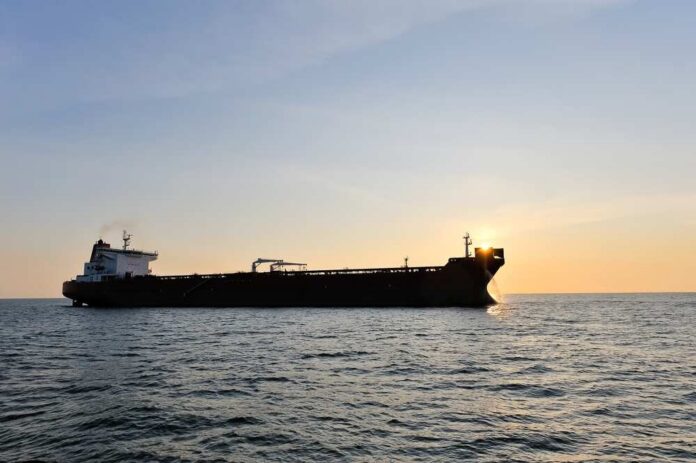
The Trump administration just allowed a Russian oil tanker to break through its own Cuba blockade without explanation, leaving Americans to wonder what happened to the promised America First foreign policy.
Story Snapshot
- Russian tanker Anatoly Kolodkin delivered 650,000-730,000 barrels of crude oil to Cuba despite Trump’s January 2026 blockade threats
- White House provided zero explanation for allowing the delivery while Coast Guard assets sat ready to intercept
- Treasury Department quietly amended sanctions waiver after the tanker already passed, exposing policy inconsistency
- Decision comes as Trump administration eases Russian oil sanctions to manage energy prices from Iran war fallout
Blockade Broken, Questions Unanswered
The Russian-flagged tanker Anatoly Kolodkin docked at Cuba’s Matanzas terminal on March 31, 2026, carrying up to 730,000 barrels of crude oil from Russia’s Primorsk port. This delivery directly contradicts the Trump administration’s January 2026 policy threatening any nation sending fuel to Cuba. Ship tracking data confirmed the vessel’s Atlantic crossing beginning March 24, with maritime intelligence analyst Michelle Wiese Bockmann from Windward AI verifying the trajectory. US Coast Guard assets had capability to intercept but received no orders to act, raising immediate questions about enforcement consistency.
Policy Reversal Without Justification
Administration officials offered no public explanation for permitting the Russian delivery despite maintaining the official embargo position. The Treasury Department initially issued a March 12 sanctions waiver allowing Russian oil transactions through April 11, primarily addressing global energy price surges from the Iran conflict. Then on March 30, Treasury amended the waiver to explicitly prohibit Cuba and North Korea shipments—conveniently after the Kolodkin already received passage approval. This sequence suggests reactive damage control rather than coherent strategy, undermining the credibility of American sanctions enforcement when geopolitical convenience dictates exceptions.
Cuba Gets Relief, Russia Gets Precedent
Cuba endured three months without oil imports before this delivery, causing daily blackouts, gas rationing, and deteriorating medical services according to President Miguel Diaz-Canel. The 650,000-730,000 barrel shipment provides several weeks of temporary relief but establishes a dangerous precedent. Russia successfully circumvented American blockade efforts in the Western Hemisphere without consequence, demonstrating that Moscow can challenge US dominance in our own backyard. An earlier Russian tanker reportedly delivered 190,000 barrels of diesel in early March using deceptive routing, proving this wasn’t an isolated incident but a pattern of Russian probing against weakened American resolve.
Energy Prices Override Strategic Commitments
The administration faces competing pressures between maintaining Cuba sanctions and managing global oil markets destabilized by the Iran war. This decision reveals energy price management took priority over strategic consistency, exactly the kind of globalist calculation many supporters voted against. European leaders criticized the broader Russian oil sanctions relief, arguing it funds the Kremlin’s Ukraine invasion while America fights Iran—contradictory policies that serve neither American interests nor our allies. The lack of transparency about decision-making processes compounds frustration among Americans who expected straightforward adherence to stated foreign policy goals rather than backroom exceptions.
Sanctions Credibility Erodes Further
This episode exposes fundamental problems with how Washington wields economic power. When the Treasury Department simultaneously maintains an embargo exists while permitting blockaded deliveries, it broadcasts weakness to adversaries. Russia now knows American threats lack follow-through when oil prices climb. Cuba understands it can outlast sanctions by waiting for geopolitical circumstances to shift American priorities. Future sanctions announcements carry diminished weight when enforcement proves negotiable based on energy market fluctuations. The pattern resembles previous administrations’ failures to maintain consistent foreign policy positions, precisely what voters rejected when choosing America First leadership over establishment hedging.
Sources:
US allows Russian oil tanker to break blockade, travel to Cuba – Anadolu Agency
Report: US to Allow Russian Oil Tanker to Reach Cuba – MarineLink
US to let Russian oil tanker reach Cuba – GMA Network
Trump set to allow Russian oil tanker to reach Cuba – Politico