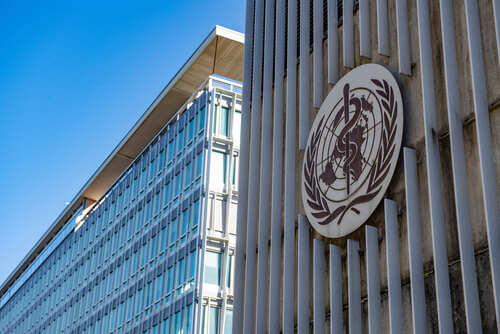
The United States’ withdrawal from the World Health Organization raises concerns over global health and pandemic preparedness.
Story Highlights
- The U.S. officially exits the WHO, effective January 23, 2026.
- Over $130-278 million in unpaid dues remain contested.
- The exit disrupts U.S. access to global health data and initiatives.
- Critics argue it hampers global health responses; the Trump administration claims it’s an “America First” victory.
Trump Administration’s Decision and Its Implications
On January 23, 2026, the United States formally completed its withdrawal from the World Health Organization (WHO), marking a significant shift in its global health policy. This decision was driven by criticisms of the WHO’s handling of the COVID-19 pandemic and allegations of political biases, particularly favoritism towards China. The administration insists this move aligns with their “America First” strategy, prioritizing U.S. taxpayer interests over multilateral commitments.
Despite the administration’s justifications, the exit has not been without controversy. The U.S. departure leaves a hefty financial void, with unpaid dues ranging from $130 to $278 million. These dues, which cover the years 2024 to 2025, remain a point of contention. While the U.S. government argues it is not obligated to settle these debts pre-withdrawal, the WHO insists on payment, citing its constitutional requirements. This unresolved financial dispute poses a challenge to the organization, which historically relied on the U.S. for about 20% of its budget.
Watch:
Impact on Global Health and U.S. Strategy
The withdrawal’s impact extends beyond financial matters, significantly affecting global health initiatives. The U.S. will lose access to critical WHO data, such as flu strain updates vital for vaccine development. This gap could potentially compromise the nation’s pandemic preparedness and response capabilities. Moreover, global health initiatives, including polio eradication and maternal health programs, may face setbacks due to reduced funding and collaboration.
The Trump administration, however, argues that this decision will enable the U.S. to forge direct bilateral health agreements, thus maintaining and even enhancing its global health presence without the constraints of multilateral organizations. The details of these agreements remain vague, raising concerns among experts about their effectiveness and reach.
Expert Opinions and Future Prospects
Public health experts have voiced significant concerns over the U.S. withdrawal. Lawrence Gostin from Georgetown University labeled the decision as potentially “ruinous,” warning that it could weaken the nation’s early warning systems for pandemics. Similarly, Ronald Nahass from the Infectious Diseases Society of America criticized the move as “shortsighted and reckless,” particularly in its potential to disrupt flu tracking capabilities.
🚨🚨 #BreakingNews 🚨🚨
US officially exits World Health Organization, accusing agency of straying 'from its core mission'https://t.co/zoUK9oWJ6w https://t.co/s3ybf8XFvcGrab #amazon #bestdeals: #USA https://t.co/XSLcMcH5fl #INDIA https://t.co/4c1HvUGtfn #TrendingNew…
— Instant News ™ (@InstaBharat) January 23, 2026
Looking forward, the U.S. aims to pivot its resources towards domestic health priorities while navigating international health relations through bilateral agreements. While the administration emphasizes sovereignty and fiscal responsibility, the global health community remains skeptical about the long-term repercussions of this decision on both U.S. and worldwide health security.
Sources:
U.S. completes withdrawal from World Health Organization, hampering global response to outbreaks
The U.S. Government and the World Health Organization
U.S. formally withdraws from World Health Organization, leaving debt