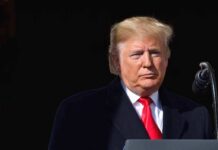

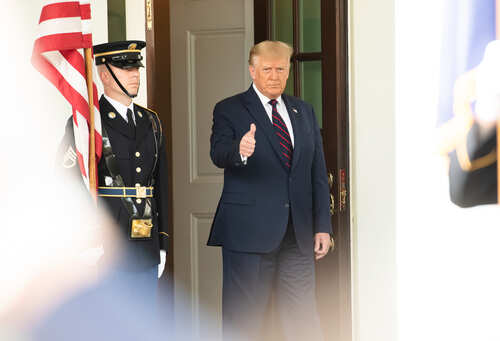
President Trump slaps a 25% tariff on any country doing business with Iran, delivering a powerful economic blow to the regime amid its brutal crackdown on protesters.
Story Highlights
- Trump announces immediate 25% tariffs on all US business with nations trading with Iran, targeting China, Russia, Brazil, Turkey, and UAE.
- Iran protests rage since December 28, 2025, with 646 killed and over 10,600 detained by the Khamenei regime.
- White House confirms airstrikes on the table while prioritizing diplomacy to pressure Tehran.
- This echoes Trump’s maximum pressure strategy, linking trade to human rights and countering anti-American regime rallies.
Trump’s Bold Tariff Announcement
President Donald Trump posted on Truth Social on January 12, 2026, declaring a 25% tariff on any and all business with the United States for countries doing business with the Islamic Republic of Iran, effective immediately. This decisive action responds directly to Iran’s savage suppression of nationwide protests that erupted on December 28, 2025, over the rial’s collapse. The US-based Human Rights Activists News Agency reports at least 646 deaths and over 10,600 detentions, with internet and phone lines severed to hide the regime’s atrocities. Trump’s move weaponizes America’s trade dominance to support freedom fighters challenging Ayatollah Ali Khamenei.
Watch:
Protests Escalate as Regime Clings to Power
Iranian protests have swelled into anti-government demonstrations nationwide, fueled by economic collapse from sanctions and mismanagement under Khamenei. Pro-regime counter-rallies on January 11-12 chanted “Death to America,” exposing the regime’s hostility despite blaming the US and Israel for the unrest. Foreign Minister Abbas Araghchi claimed protests remain under total control while asserting readiness for war or dialogue. The regime’s internet blackout persists, trapping citizens in darkness as the death toll climbs.
White House Stance: Diplomacy Backed by Strength
On January 11, Trump noted Iran wants to negotiate, pairing the tariff with openness to talks. White House Press Secretary Karoline Leavitt confirmed on January 12 that military options, including airstrikes, stay on the table but diplomacy comes first. This balanced approach leverages economic pain to force concessions on human rights and nuclear ambitions, reminiscent of Trump’s first-term maximum pressure campaign that withdrew from the flawed JCPOA deal. Affected nations like China and Russia now face stark choices: back a murderous regime or protect their US trade interests.
Key traders—Brazil, Turkey, UAE, and others—must weigh 25% penalties against Iran ties. NATO chief Mark Rutte monitors tensions, stressing allied safety. Iran’s alliances with Russia and China complicate dynamics, but US executive authority via proclamations enables rapid action, as seen in 2025 tariffs on Nigeria and steel imports.
Economic Pressure Targets Regime Weaknesses
Short-term, the tariff disrupts exports from Iran partners to the US, hiking costs and shifting supply chains while isolating Tehran further. Long-term, it risks broader trade wars if retaliated but could weaken the regime, emboldening protesters. US consumers may see higher import prices, mirroring 2025 tariff effects, yet this prioritizes national security over globalist free trade that empowered adversaries. Iran’s oil trade via proxies faces new hurdles, amplifying pressure without immediate military engagement.
Sources:
Trump Announces New Tariff on Countries Trading with Iran as Number Killed in Protests Rises