

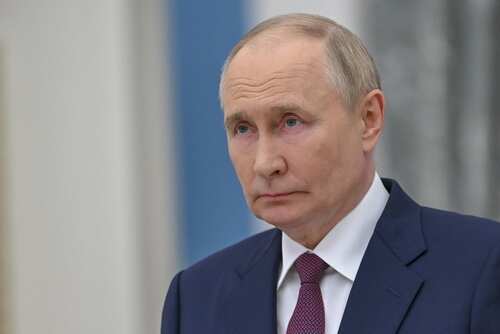
A new twist in the Russia-Ukraine conflict reveals an alleged drone attack on Putin’s residence, raising questions about the truth behind Russia’s claims.
Story Highlights
- Russia claims evidence of a Ukrainian drone attack on Putin’s residence.
- Russia intercepts 91 Ukrainian drones, labeling it a terrorist act.
- Ukraine denies involvement, with the CIA supporting their claim.
- Potential political ramifications on US-Russia-Ukraine relations.
Russia’s Allegations and Evidence
On December 31, 2025, Russia’s Defense Ministry released video footage and a map purportedly showing evidence of a failed Ukrainian drone attack on President Vladimir Putin’s residence in the Novgorod region. According to the ministry, all 91 Ukrainian long-range drones targeting the compound on the night of December 28-29 were intercepted by Russian air defenses. The footage displayed wreckage from a modified Ukrainian-made “Chaklan-V” UAV, which Russia claims was intended for a terrorist attack.
The timing of these allegations is critical, coming shortly after a meeting between Ukrainian President Volodymyr Zelenskyy and US President Donald Trump. Russia aims to frame this incident as an assassination attempt by Ukraine, despite Zelenskyy’s denials. Russian officials have dismissed Ukraine’s statements as falsehoods, aiming to leverage the incident for propaganda purposes. The release of physical evidence marks the first such public display by Russia, yet experts question the authenticity of these claims.
Watch:
Ukraine’s Denial and US Intelligence Assessment
Ukraine has firmly denied any involvement in the alleged attack, a stance further supported by US intelligence agencies. The CIA’s analysis suggests that the drone strike targeted a nearby military installation rather than Putin’s residence, challenging Russia’s narrative. This counter-analysis was reported by the Wall Street Journal and raises significant doubts about the Russian account of events. The CIA’s findings highlight the complexity of the situation and underscore the ongoing propaganda war between Russia and Ukraine.
With tensions escalating, the incident could potentially impact diplomatic talks. The recent interaction between Trump and Zelenskyy is seen as pivotal, with Putin allegedly briefing Trump directly about the incident. This development might strain US-Russia-Ukraine relations, affecting ongoing negotiations and diplomatic efforts.
Russia Presents Its Evidence Of Ukrainian Drone Attack On Putin's Residence https://t.co/dbjatJ3tJB
— TYLΞR 🏴☠️ (@anonymous_ib) December 31, 2025
Implications and Expert Perspectives
In the short term, this incident heightens tensions between Russia and Ukraine and poses risks of miscalculation amid fragile diplomacy. Long-term implications could include justifying Russian reprisals or influencing Trump-era negotiations. The situation also adds complexity to an already strained geopolitical environment, potentially impacting military strategies and diplomatic engagements.
Experts have expressed skepticism about the claims of a targeted assassination attempt, citing the lack of independent verification. The Institute for the Study of War notes this as part of Russian offensive assessments but does not endorse the claims. Diverse interpretations persist, with some viewing it as a terrorist plot while others see it as a possible exaggeration for propaganda purposes.
Sources:
CIA concludes Ukraine did not target Putin’s residence in drone strike
Russian Offensive Campaign Assessment – December 29, 2025