
A U.S. strike on Iran’s Qeshm Island targeted radar and missile sites the same day President Trump said America had won the conflict, underscoring a strategy of deterrence without endless war.
Story Snapshot
- U.S. forces hit Iranian radar and launchers on Qeshm Island in a limited strike.
- President Trump said the United States “won” and that major fighting had stopped months ago.
- U.S. officials framed the operation as defensive to protect shipping in the Strait of Hormuz.
- Trump linked military pressure with a push for a diplomatic deal on favorable terms.
What Happened On Qeshm Island
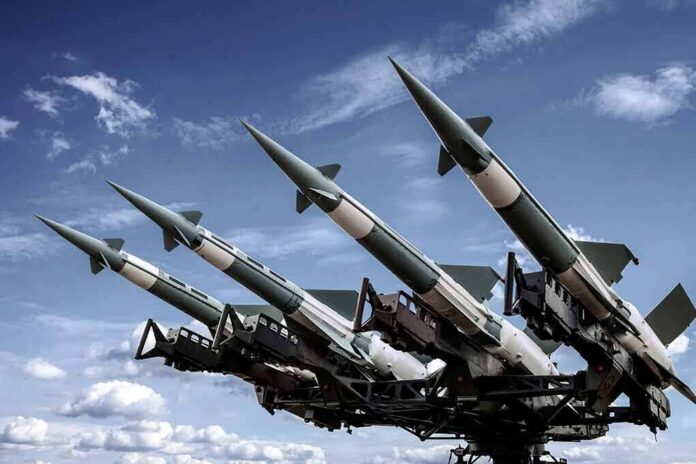
U.S. officials said American forces struck targets on Iran’s Qeshm Island, a strategic site near the Strait of Hormuz. The targets included radar detectors and missile launchers that threaten sea lanes used by global commerce. The action followed weeks of limited U.S. strikes aimed at blocking Iranian attacks. Officials described this mission as precise and time-limited. The operation fit a pattern of targeted actions that avoid large troop deployments while removing immediate threats to ships and crews.
The reported strike came as Iran’s state media noted explosions on the island, signaling that the hit landed on active military positions. The focus on radar and launchers showed a clear aim: deny Iran the tools it uses to menace key shipping routes. The Strait of Hormuz carries a large share of the world’s oil and fuel. Keeping that chokepoint open holds down energy costs and protects American families from price spikes tied to foreign blackmail and chaos at sea.
Trump’s Message: Victory Without Endless War
President Trump told reporters that the United States had a war with Iran and “we won,” adding that there had been no fighting for months. His point was simple. America broke the regime’s ability to run a major fight, and now uses narrow actions to stop fresh threats before they grow. Earlier remarks framed victory as rapid and decisive, with core Iranian forces hit hard at the outset. That logic backs a model many conservatives support: hit hard, end fast, and avoid nation-building.
U.S. officials called the Qeshm strike defensive. They said it aimed to stop Iran from targeting commercial ships in the Strait of Hormuz. Defensive, limited actions align with the President’s claim that the broader war is over. The goal is deterrence, not occupation. The United States keeps pressure on Iran’s war machine while shielding global trade. That approach protects American workers and retirees whose savings and fuel bills suffer when rogue states rattle markets and threaten oil routes.
Diplomacy From Strength And The Constitutional Lens
President Trump also said Iran wants a deal and that it could happen, linking the prospect of talks to ongoing American leverage. Negotiating from strength has long anchored conservative foreign policy. Precision strikes and clear red lines force bad actors to think twice. They also create space for an agreement that locks in gains without new wars. The message to Tehran is firm. Stop threatening ships and stand down, or lose more tools that enable attacks on civilians and trade.
Scholars note that modern conflicts often end major combat before a formal peace is signed. Limited force can keep deterrence while avoiding open-ended war. “War termination” research says victory is mainly political, not just a measure of daily fighting. That frame fits here. The United States claims victory, limits Iran’s options, and keeps shipping safe with narrow actions. Congress and the public watch closely, but presidents often act fast to protect Americans and vital routes.
Sources:
mediaite.com, wsj.com, thehill.com, investinglive.com, mbiz.heraldcorp.com, c-span.org