

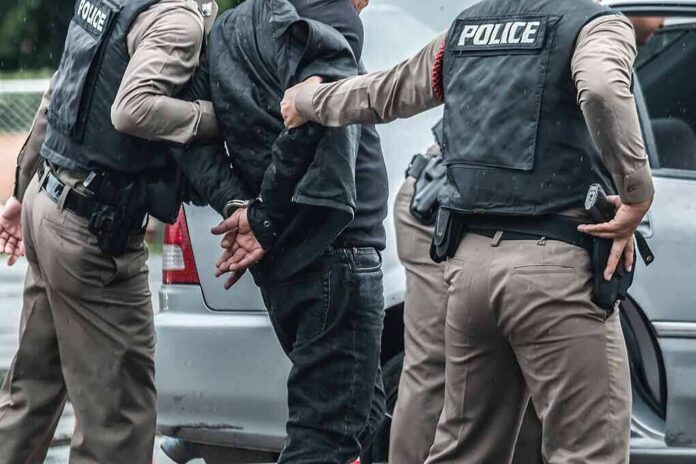
California deputies say they dismantled a major theft ring after seizing about 2,400 stolen catalytic converters worth $4.3 million in raids across Los Angeles and Orange counties.
Story Highlights
- Deputies seized about 2,400 stolen catalytic converters and arrested five suspects in coordinated raids.
- Officials valued the haul at roughly $4.3 million tied to the alleged theft operation.
- Catalytic‑converter crime surged in recent years, driven by precious metal resale markets.
- California pushed new record‑keeping and resale rules to choke off black‑market buyers.
Coordinated Raids Net 2,400 Stolen Converters and Five Arrests
The Orange County Sheriff’s Department reported that teams served search warrants Thursday across Los Angeles and Orange counties. Deputies said they found roughly 2,400 stolen catalytic converters and took five people into custody as part of a crackdown on a local theft ring. The department announced the results Friday and tied the parts to a large‑scale operation. Officials placed the estimated value of the seized converters at about $4.3 million, underscoring the scope of the alleged scheme.
Los Angeles and Orange County agencies worked together to hit multiple locations in one sweep. Investigators said the goal was to break the supply chain that feeds illegal recycling markets. Stolen converters often move fast from street thieves to middlemen and then to buyers who strip precious metals. Deputies said the haul recovered in one day suggests a high‑volume pipeline. Five arrests capped the action, with potential charges expected after prosecutors review the case.
Why Catalytic Converters Are a Prime Target for Crime
Thieves target catalytic converters because they contain precious metals that sell for high prices. State consumer authorities say those metal prices drove a sharp rise in thefts during recent years. Many cars sit higher off the ground, which makes the part easy to cut and steal in minutes. Victims face repair bills that can reach thousands of dollars, and many cannot drive until the part is replaced. Insurance claims rose as this crime spread across neighborhoods and parking lots alike.
California regulators and police point to a clear trend line. The National Insurance Crime Bureau and city police departments documented steep increases that began during the pandemic and carried forward. More thefts meant more money flowing to illegal buyers and shady scrap shops. Lawmakers and local leaders responded with rules to make sales traceable and to force records on every transaction. The goal is simple: make it harder to fence a stolen converter and easier to link parts to real owners.
Policy Push: Choking Off the Black Market With Paper Trails
State leaders advanced several steps to block resale without a clear paper trail. Recent laws require recyclers to log detailed information about sellers and the vehicles tied to the parts. Rules also call for tracking model details and using records that help police spot patterns and return stolen goods when possible. Some proposals and best practices urge marking converters, checking identification, and using traceable payments to stop anonymous cash deals that fuel theft.
For families, small shops, and commuters, this enforcement matters. A stolen converter can sideline a car for days and drain a savings account. Thursday’s raids show police are hunting the networks that profit from repeat theft, not just the street cutters. Cutting off the resale market protects law‑abiding drivers and restores order. Continued teamwork between counties, tighter records, and steady prosecution are key to keep these theft rings from rebuilding elsewhere.
Sources:
zerohedge.com, ktla.com, cbsnews.com